
Swap Agrawal is a student at Harvard Law School.
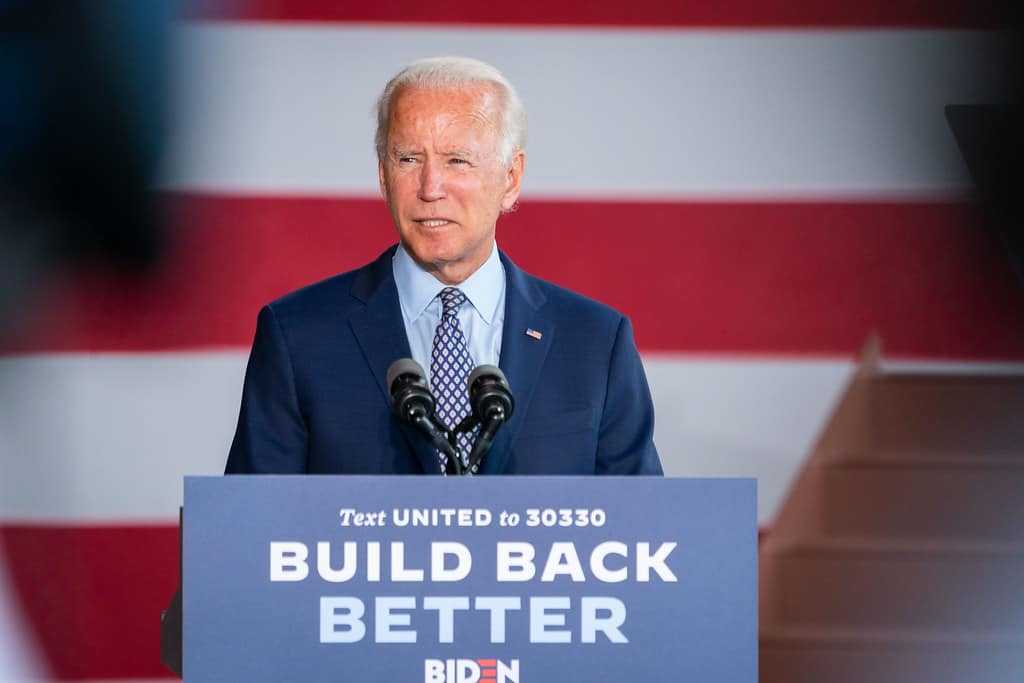
In this weekend’s news and commentary, the Biden administration’s 2023 budget proposal includes increased spending on the NLRB, EEOC, and DOL; new and increased penalties for employers who violate labor and employment laws; and a paid family and medical leave program.
On March 9, the Biden administration released its budget outline for fiscal year 2024. The $6.9 trillion proposal includes $1.7 trillion in discretionary federal spending and new taxes on the wealthy aimed at decreasing the federal deficit by $3 trillion. President Biden’s budget also includes additional spending on labor and employment. The proposal increases the NLRB’s budget to $376 million, which is a 25% increase from the $299 million authorized by Congress for this fiscal year. The current number is itself the first raise the agency received since 2014. In a statement, NLRB general counsel Jennifer Abruzzo said, “While the bump in our FY23 funding was essential in averting furloughs, the NLRB is still drastically underfunded.”
Furthermore, the budget also calls for $481 million for the EEOC, which is a 5.7% increase from the agency’s allocation for 2023. EEOC Chair Charlotte Burrows told Law360 last year that budget shortfalls were hampering the agency’s staffing levels. The proposal also increases the DOL’s budget by $1.5 billion to enable the agency “protect workers’ wages and benefits, combat exploitative child labor, address the misclassification of workers as independent contractors, and improve workplace health and safety.” This includes spending on DOL programs to support workers, such as a national, comprehensive paid leave program administered by SSA which would provide workers with progressive, partial wage replacement to take time off for family and medical reasons for up to three months.
Lastly, the proposal revives part of the Build Back Better Act which seeks to expand penalties for employers who violate DOL, EEOC, or NLRB rules. The budget summary states that “[e]mployers often receive only a slap on the wrist— at most—when they fire or retaliate against workers for exercising their right to organize and collectively bargain, steal wages from workers, force workers to work in unsafe conditions, exploit children, or otherwise flagrantly violate the Nation’s labor laws.” Therefore, the White House is proposing “instituting and meaningfully increasing penalties at DOL, EEOC, and NLRB for employers that violate workplace safety, health, wage and hour, child labor, equal opportunity, and labor organizing rules.” The White House stated in its summary that the increase will “help level the playing field for workers, protecting their right to fair representation and better working conditions.” However, President Biden’s budget, including the labor and employment provisions, are unlikely to pass in a divided Congress. Republican House members will soon respond with their own proposal.



Daily News & Commentary
Start your day with our roundup of the latest labor developments. See all
September 9
Wynn Las Vegas employees allege anti-union retaliation; Amazon faces a class action over pregnancy accommodations; H-1B demand plunges following a six-figure visa fee.
September 8
In today’s News and Commentary, workers and unions across America celebrate Labor Day, California’s SEIU Local 1000 prepares for a strike authorization vote, and New York City creates the Office of Worker Power. On Monday, labor unions and workers gathered in cities across the United States in celebration of Labor Day. Parades and rallies took […]
September 7
Eighth Circuit finds DOL order violates Seventh Amendment; 1,300 workers at Encore Boston Harbor go on strike.
September 6
Encore casino workers strike; President Trump commutes sentence of former Philadelphia IBEW leader; Durham labor activist ends his hunger strike against Amazon.
September 4
NLRB advice memo narrows political protest protections; NLRB asks federal appeals court for deference.
September 3
Seond Circuit rejects a NLRB standard for union insignia in employer dress codes; House Republicans ramp up labor union investigations.