
Jon Levitan is a student at Harvard Law School and a member of the Labor and Employment Lab.
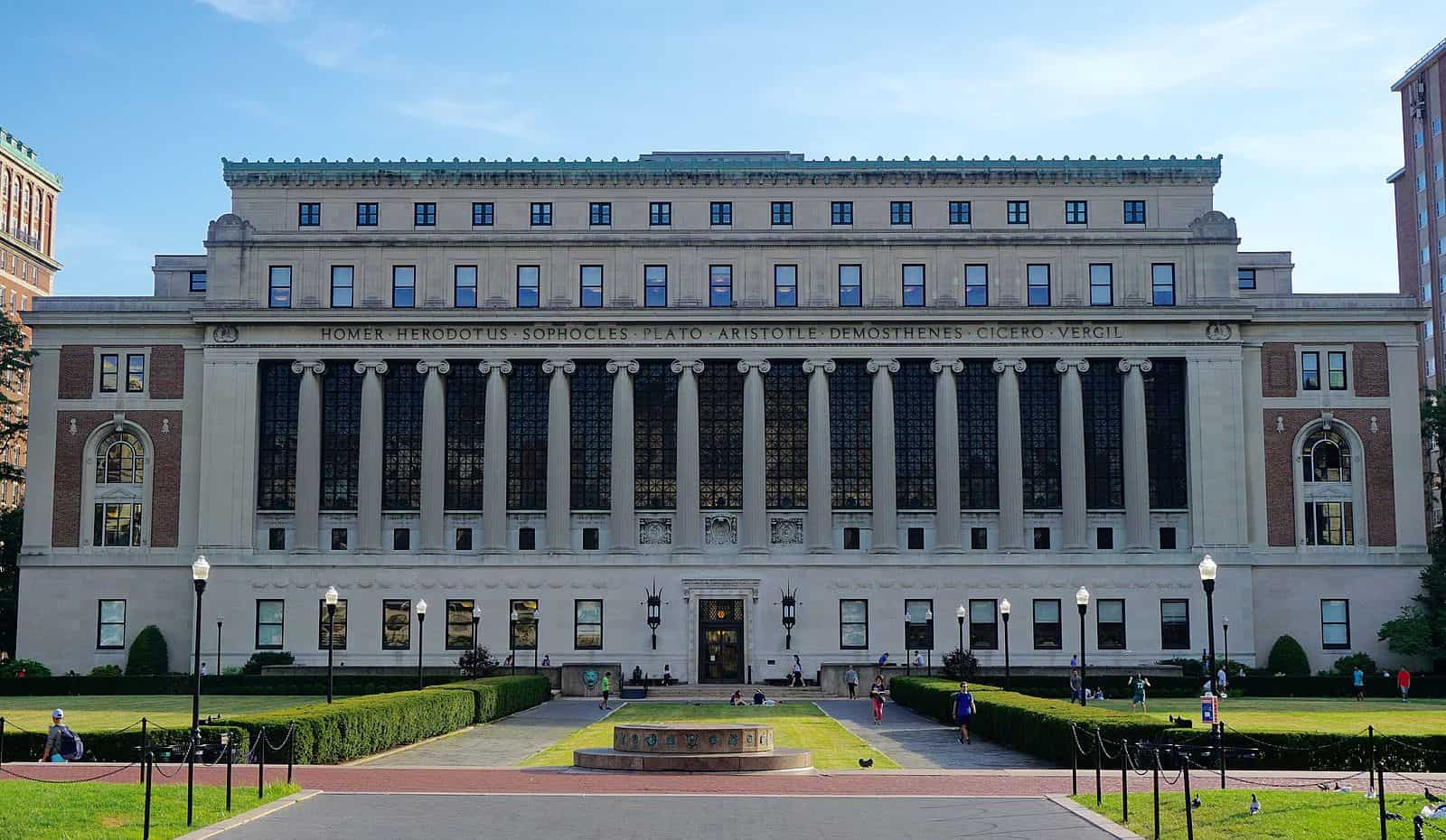
The NLRB announced today that it was ending its effort to overrule via rulemaking Columbia University, 364 NLRB No. 90 (2016), which held that graduate student workers at private universities were “employees” under the NLRA and able to unionize. Chairwoman Lauren McFerran, the lone Democrat on the board, tweeted that “student employees are workers deserving the full protection of our labor laws,” and that the “withdrawal of this proposed rule will ensure that student workers can continue to join together to pursue better wages and working conditions.” It’s a major win for graduate students, who have continued to organize despite their legally precarious situation, as Ash wrote about last month. Graduate students now almost certainly have at least four years of protection under labor law – there was a wave of unionization efforts after Columbia and it would not be a surprise to see a similar one take place as a result of this decision.
The withdrawal ensures some rare stability in this area of labor law. Graduate student workers were first granted the right to unionize in 2000 in the New York University case (332 NLRB 1205 (2000)) but that decision was reversed four years later in Brown University (342 NLRB 483 (2004)), which held that graduate student were not employees under the NLRA and ineligible to unionize. Brown stood for 12 years before being reversed by Columbia.
The proposed rule would have reinstated the Brown Board’s logic that graduate students are not employees under the NLRA because their relationship to their universities is allegedly “primarily educational in nature,” and should not regulated by a law which is concerned with economic relationships. Columbia, which is now controlling board law again, rejects this distinction and holds that the term “employee” as defined in section 2(3) of the NLRA is broad enough to cover relationships that are at least in part economic, whether or not there is another dimension to the relationship.
The continuing validity of Columbia not only solidifies the rights of graduate students, but its logic could extend to other workers who currently lack NLRA protection. For example, workers with disabilities employed in part for the alleged purpose of “rehabilitation” (Brevard Achievement Center, 342 NLRB 982 (2004)) and college football players (Northwestern University, 362 NLRB No. 167 (2015)) have relationships with their employer that is at least in part economic, and under the Columbia logic, they should be “employees” under the Act (the Obama board did not reach the merits of the question for college football players – instead declining jurisdiction on policy grounds).
The success of defeating this rule should not obscure the damage that the Trump board did elsewhere. Nonetheless, it’s another sign that things are looking up for the labor movement in the early days of the Biden era.






Daily News & Commentary
Start your day with our roundup of the latest labor developments. See all
October 19
FDA reverses course on policy prohibiting off-duty union activity; FAA and NATCA reach deal to secure pay increase for air traffic controllers.
October 18
Federal judge again halts cancellation of the Bureau of Prisons’ CBA; tabletop gaming workers face roadblocks in union recognition.
October 16
Department of Labor reduces wage-and-hour enforcement at unionized workplaces; Fain's victory poses question of federal monitor's extension.
October 15
New reporting examines the rollback of child labor protections; California tries to block a strike; NLRB charges Wisconsin mental health provider with firing workers during union drive.
October 14
Eleventh Circuit overturns ERISA exhaustion rule; DHS finalizes removal of automatic renewal for work permits; AFGE challenges SSA over flexible scheduling policy.
October 13
Chicago hotel workers remain on strike; a coalition of Democratic states sues the Labor Department over canceled unemployment insurance grants; the Federal Labor Relations Authority establishes a new mediation framework for federal worker disputes.