
Justin Cassera is a student at Harvard Law School.
In today’s news and commentary, the Bureau of Labor Statistics releases jobs data and the International Labour Organization hosts a conference on child labor.
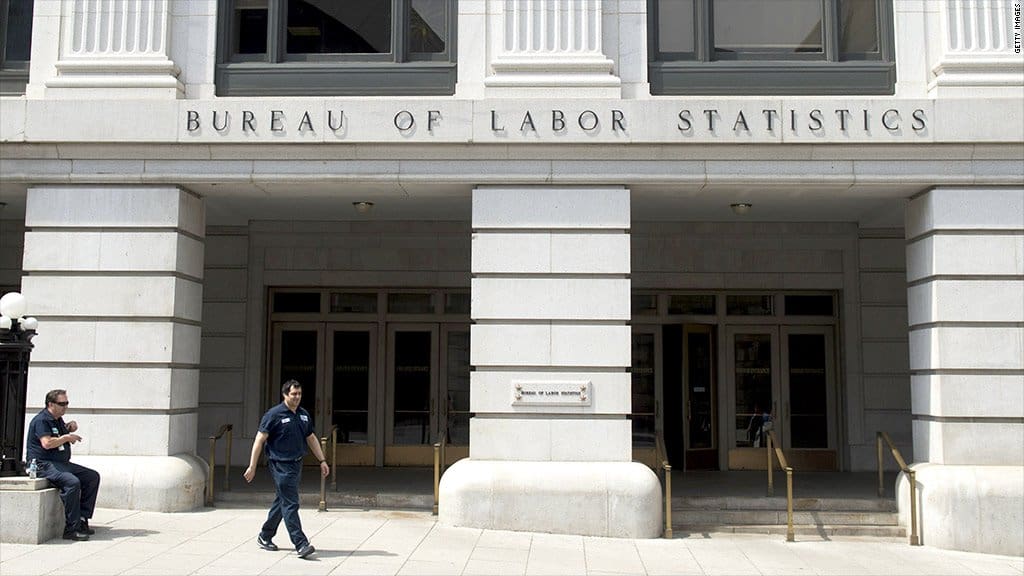
Last week, the Bureau of Labor Statistics (BLS) reported that the labor market added approximately 181,000 jobs in 2025, significantly revising preliminary data suggesting a figure closer to 584,000. Responding to the news, some said that this figure represents “almost zero job growth” in relation to past years; in 2024, the labor market added 1.46 million jobs. In fact, this amount makes 2025 “the worst year for hiring since 2020, or since 2003 outside of a recession.” The BLS also reported that, in January 2026, employment grew by 130,000. This growth was primarily fueled by the health care, social assistance, and construction industries. Federal government employment continued to shrink.
Last week, the Kingdom of Morocco and International Labour Organization (ILO) hosted the 6th Global Conference on the Elimination of Child Labour. The conference worked to bring together “governments, employers’ and workers’ organizations, civil society, international organizations, private sector representatives, academia . . . and young people to accelerate action towards the elimination of child labour.” According to Gilbert Houngbo, Director-General of the ILO, approximately 138 million children remain in child labor, either trafficked or driven to work by poverty, insufficient access to education, and weak social safety nets. The conference spent time discussing immediate and long-term solutions to these issues, primarily exploring bi- and multilateral agreements with the potential to build production capacity, institute labor inspections, and promote formal employment opportunities in developing countries.





Daily News & Commentary
Start your day with our roundup of the latest labor developments. See all
October 15
New reporting examines the rollback of child labor protections; California tries to block a strike; NLRB charges Wisconsin mental health provider with firing workers during union drive.
October 14
Eleventh Circuit overturns ERISA exhaustion rule; DHS finalizes removal of automatic renewal for work permits; AFGE challenges SSA over flexible scheduling policy.
October 13
Chicago hotel workers remain on strike; a coalition of Democratic states sues the Labor Department over canceled unemployment insurance grants; the Federal Labor Relations Authority establishes a new mediation framework for federal worker disputes.
October 12
Workers at the Obama Foundation begin organizing; MLB submits its latest collective bargaining agreement proposal; Brigham & Women's nurses postpone strike.
October 11
UAW President Shawn Fain succeeds in his reelection bid, and Spanish unions call for a general strike.
October 9
DHS proposes a $100k fee for the foreign grad employment program; Trump suspends tech company access to green card program; and private equity perpetuates poor working conditions for home care workers.