
Rund Khayyat is a student at Harvard Law School.
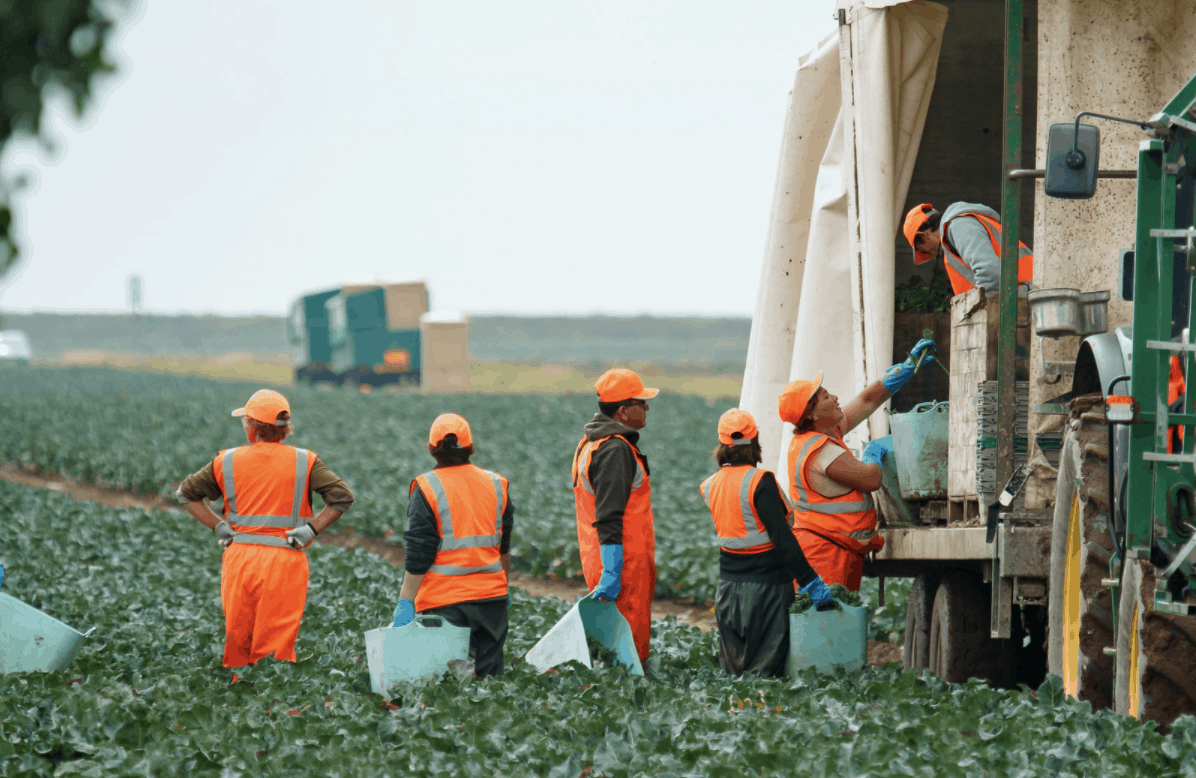
The Washington Supreme Court held Thursday that the state’s dairy workers are entitled to overtime pay if they work over 40 hours a week — a landmark labor ruling that will likely extend to the rest of the state’s agriculture industry.
For the past 60 years, state law has exempted farmworkers from the classes of workers entitled to overtime pay, but the 5-4 majority found that unconstitutional. The majority reasoned that the Washington state Constitution grants workers in “dangerous industries” a fundamental right to health and safety protections, including overtime pay, which discourages employers from forcing employees to work excessive hours. Though the ruling was limited to the dairy industry, attorneys say that the reasoning covers all 200,000-plus farmworkers in the state’s agriculture industry because the Washington Supreme Court has long recognized that all farm work is “very dangerous.”
Washington is now the first state to grant farmworkers overtime protection through the courts, and the decision could provide a template for extending stronger protections across the country. As of now, New York began requiring overtime only if farmworkers work over 60 hours a week, and California has begun phasing in some overtime protections.
In another huge win for labor organizers, Arizona voters have passed a measure to tax the wealthy an additional 3.5% in order to boost teacher pay. Proposition 208, nicknamed “Invest in Ed,” emerged from a 2018 teachers strike that highlighted low wages for educators and a slow rebound from Great Recession-era budget cuts. Teachers campaigned hard for the measure, which should address Arizona’s stark teacher shortage and make up for lagging state education funding. Over a quarter of the state’s teaching positions are empty, and of the positions filled, half are teachers who lack standard teaching requirements, according to a recent Arizona School Personnel Administrators Association survey. Moreover, Arizona has consistently maintained one of the lowest per-pupil funding rates in the country, according to the U.S. Census Bureau’s most recent numbers.
Finally, the latest jobs report reveals that the American economy gained 638,000 jobs last month, and the unemployment rate fell to 6.9 percent, from 7.9 percent in September. The numbers signal that the labor market has been slowly recovering, though a national upturn in coronavirus cases threatens to jeopardize future growth.
The country has recovered about half of the 22 million jobs lost after the pandemic hit in March, but gains have slowed in the past few months — though we added 1.8 million jobs in July and 1.5 million in August, that figure plummeted to 672,000 in September.
Even without the threat of future losses, 11 million workers remain unemployed, and joblessness has been prolonged for many: the number of long-term unemployed — those without work for at least 27 weeks — increased 300% in one month from 1.2 million to 3.6 million in October. These numbers do not reflect the millions of workers who have had their hours or pay reduced during the pandemic.




Daily News & Commentary
Start your day with our roundup of the latest labor developments. See all
October 22
SCOTUS declines Wilcox appeal; Penn State research assistants win bargaining rights; SEIU sued over military leave firing.
October 21
DOL withdraws tipped-worker rule; Instacart settles hiring-bias claims; Phillips 66 locks out New Jersey refinery workers.
October 20
Korean unions oppose labor exemption bill; Portland city workers prepare for strike; UPenn grad student union looks to dismiss university filing
October 19
FDA reverses course on policy prohibiting off-duty union activity; FAA and NATCA reach deal to secure pay increase for air traffic controllers.
October 18
Federal judge again halts cancellation of the Bureau of Prisons’ CBA; tabletop gaming workers face roadblocks in union recognition.
October 16
Department of Labor reduces wage-and-hour enforcement at unionized workplaces; Fain's victory poses question of federal monitor's extension.