
Rund Khayyat is a student at Harvard Law School.
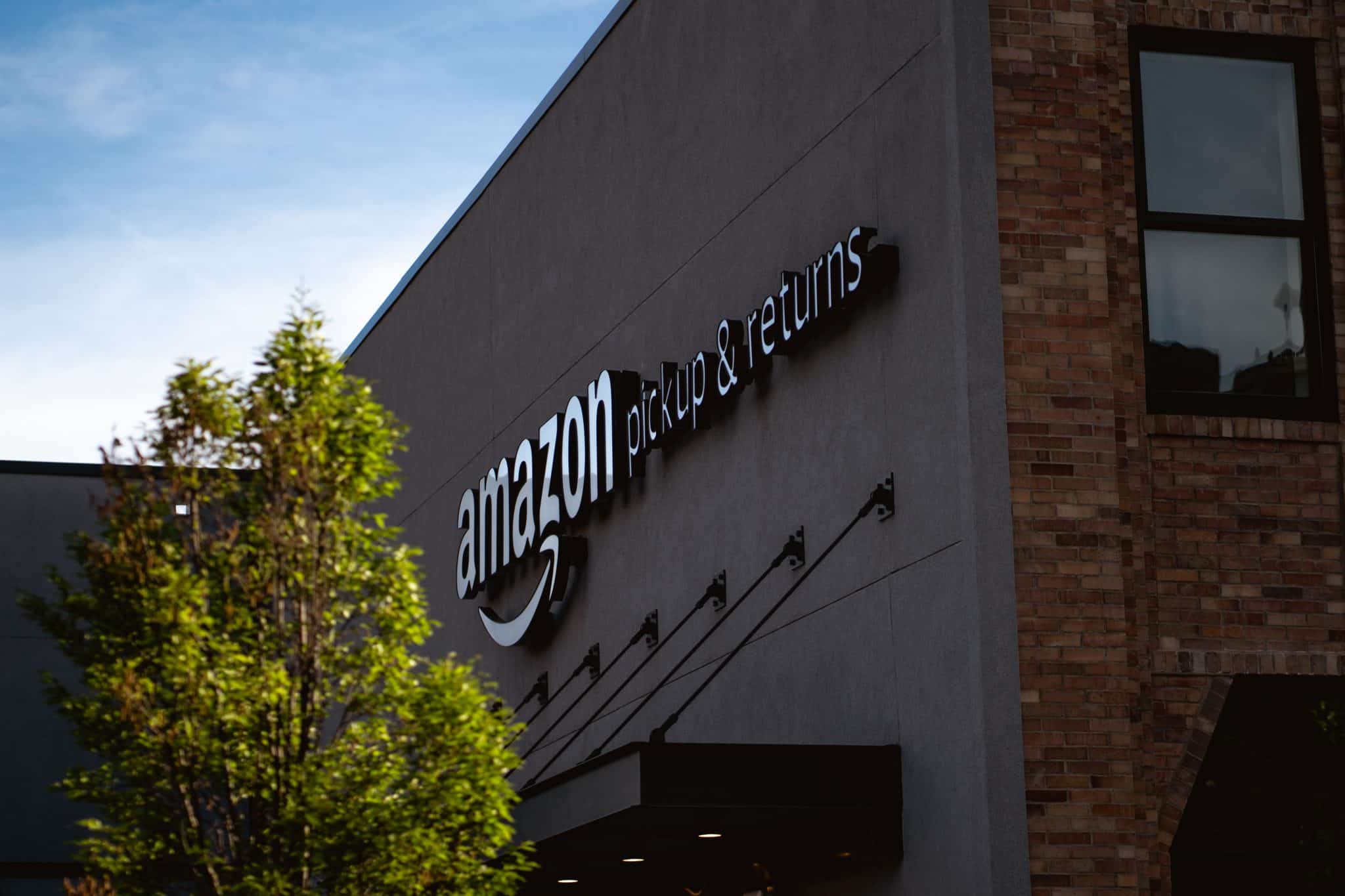
As the Amazon labor union movement comes to a head in Alabama, the New Yorker published a column Thursday analyzing, what it describes, the “changing politics of labor.” The article notes that Amazon represents “an extreme expression of the twenty-first century’s extreme inequality and concentration of wealth and economic power, which has already changed the Democratic Party and some elements of the G.O.P.,” and has thus drawn together some unusual allies on both sides of the aisle.
In response to the Amazon union drive, the usual labor allies, such as Stacie Abrams, Bernie Sanders, and President Biden, have been extraordinarily outspoken. For example, Biden announced his support for the organizers and strongly warned employers not to interfere with the efforts – the last president to use such explicit language in support of unions was President Roosevelt.
At the same time, new prominent players on the right are denouncing Amazon’s business practices and supporting the labor efforts. Those on the center-right are not only concerned over Bezos’s “accelerating wealth and Amazon’s profiteering,” but also about the company’s interventions in politics, which tend to be interventions that align with the interests of Democrats (such as its decisions to stop hosting Parler, the extremist social-media site, on Amazon Web Services).
For example, conservative senator Marco Rubio (R-Fl.) notably published an op-ed in USA Today declaring his support for the workers, and both Tucker Carlson’s Fox News show, and conservative Senator Josh Hawley’s (R-Miss.) new book titled “The Tyranny of Big Tech,” have targeted Bezos’ practices.
Still, conservatives are still skeptical of labor unions, and so the outspoken language by Democrats is more significant to labor leaders than the newfound allies on the right. Still, because so many of Amazon’s practices and successes are rooted in its power over workers, conservatives who oppose Amazon must do more to support worker power.





Daily News & Commentary
Start your day with our roundup of the latest labor developments. See all
October 16
Department of Labor reduces wage-and-hour enforcement at unionized workplaces; Fain's victory poses question of federal monitor's extension.
October 15
New reporting examines the rollback of child labor protections; California tries to block a strike; NLRB charges Wisconsin mental health provider with firing workers during union drive.
October 14
Eleventh Circuit overturns ERISA exhaustion rule; DHS finalizes removal of automatic renewal for work permits; AFGE challenges SSA over flexible scheduling policy.
October 13
Chicago hotel workers remain on strike; a coalition of Democratic states sues the Labor Department over canceled unemployment insurance grants; the Federal Labor Relations Authority establishes a new mediation framework for federal worker disputes.
October 12
Workers at the Obama Foundation begin organizing; MLB submits its latest collective bargaining agreement proposal; Brigham & Women's nurses postpone strike.
October 11
UAW President Shawn Fain succeeds in his reelection bid, and Spanish unions call for a general strike.