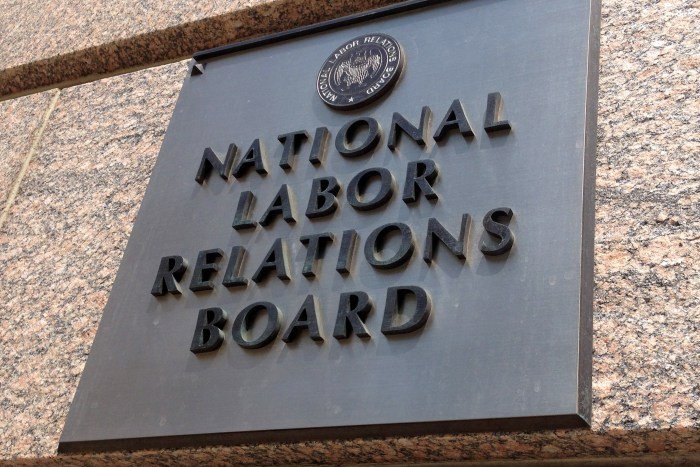

This past Friday CNN agreed to pay $76 million in back pay, the largest monetary remedy in the history of the National Labor Relations Board. In a dispute dating back to 2003, the media channel finally reached a settlement with National Association of Broadcast Employees and Technicians (NABET), Communications Workers of America (CWA), and AFL-CIO. The NLRB and the D.C. Circuit Court of Appeals found that CNN refused to bargain with the unions when it terminated the contract with Team Video Services, hired new employees to perform the same work, and “conveyed to the workers that their prior employment with TVS and union affiliation disqualified them from employment.” The backpay amount is expected to benefit over 300 individuals.
Assistants in the entertainment industry have begun to organize in response to the industry-wide workplace mistreatments. Emboldened by the #metoo movement, these workers are demanding better pay, health care coverage, and better treatment. Low pay, sometimes even below minimum wage, has left assistants rent-burdened with over a third of their income going to rent. As a result, entry-level workers tend to be those that have other financial means, a skewing of the industry that restricts who enters. Many workers complain of workplace harassment, including supervisors throwing objects at them. Workers are strengthening their voices through online surveys, like #PayUpHollywood, and through town-hall-style discussions in order to improve workplace conditions.
Employees at Hearst Magazine, one of the largest media companies, recently decided to unionize. Emboldened by the successes of unions at other companies, employees resent the company’s reluctance to address their concerns. Unionization gives the editorial staff a platform on which to determine the direction of their jobs. Demands include transparent criteria for raises and promotions, editorial standards, and diversity programs.
In an op-ed piece, Terri Gerstein, director of the State and Local Enforcement Project at the Harvard Labor and Worklife Program, argues that the growth of noncompete agreements hurts the labor economy. Noncompete agreements result in reduced wages and undercut bargaining power. By preventing employees from taking other jobs, these agreements force employees to remain in workplaces of harassment and other legal violations. Gerstein encourages the Federal Trade Commission as well as Congress and state governments to introduce policies that ban or restrict noncompete agreements in favor of a competitive labor economy.




Daily News & Commentary
Start your day with our roundup of the latest labor developments. See all
September 8
In today’s News and Commentary, workers and unions across America celebrate Labor Day, California’s SEIU Local 1000 prepares for a strike authorization vote, and New York City creates the Office of Worker Power. On Monday, labor unions and workers gathered in cities across the United States in celebration of Labor Day. Parades and rallies took […]
September 7
Eighth Circuit finds DOL order violates Seventh Amendment; 1,300 workers at Encore Boston Harbor go on strike.
September 6
Encore casino workers strike; President Trump commutes sentence of former Philadelphia IBEW leader; Durham labor activist ends his hunger strike against Amazon.
September 4
NLRB advice memo narrows political protest protections; NLRB asks federal appeals court for deference.
September 3
Seond Circuit rejects a NLRB standard for union insignia in employer dress codes; House Republicans ramp up labor union investigations.
September 2
Trump’s US Steel agreement impacts labor talks; Mamdani clashes with teachers’ union; Boeing plans to resume bargaining talks.