
Anita Alem is a student at Harvard Law School.
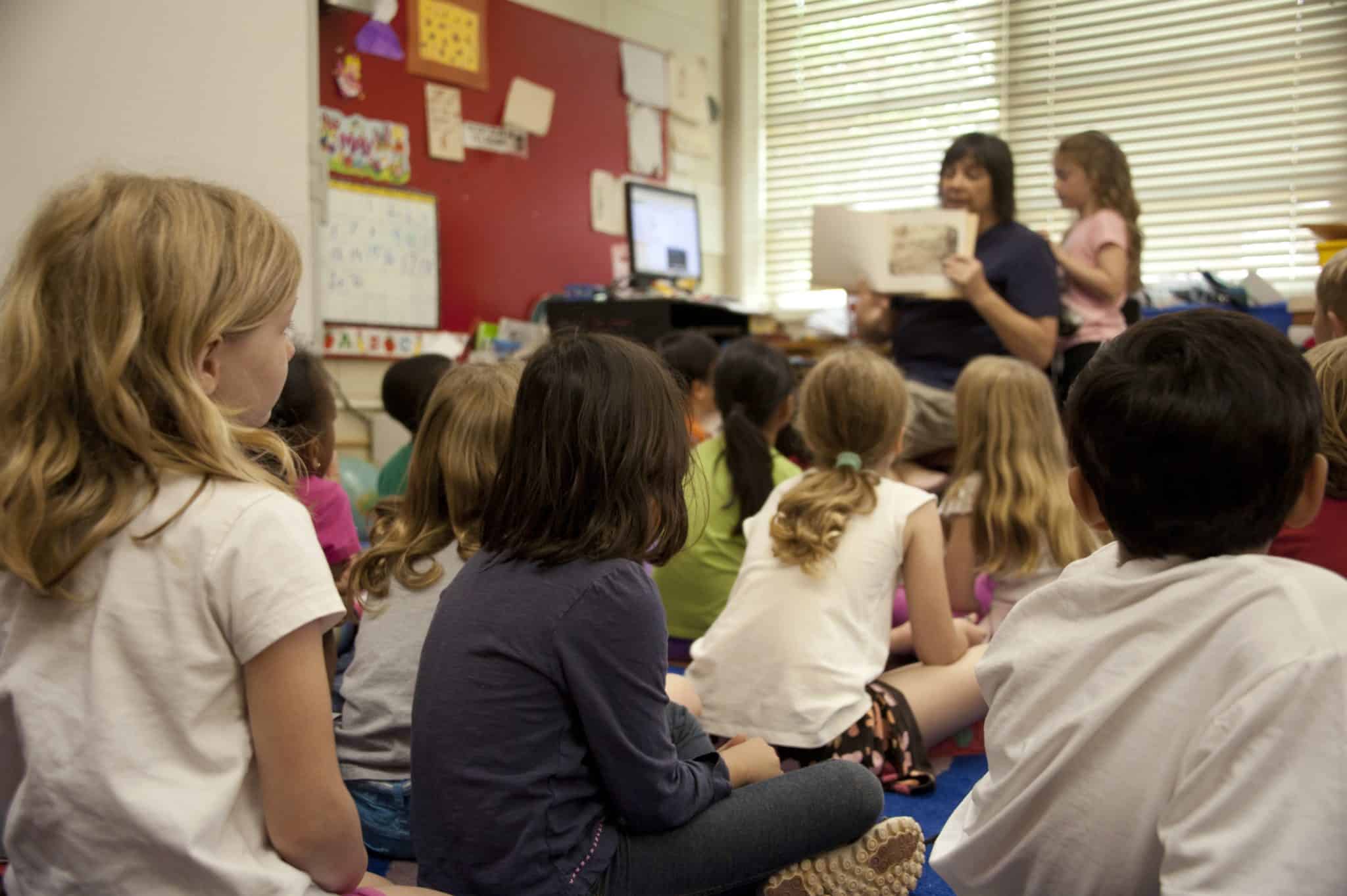
As the latest COVID-19 wave leads to record-high spikes in cases, Chicago Public Schools, the third-largest public school system in the United States, enters its second day of canceled classes due to a labor dispute regarding classroom safety.
Late Tuesday evening, the Chicago Teacher’s Union voted to stop in-person education and move to remote instruction at all Chicago Public schools. In a statement, the CTU stated that while both teachers and educators would prefer to be in the classroom, Mayor Lori Lightfoot’s policies endanger “the safety and vibrancy of our students and their educators.” The union also raised concerns regarding testing and staffing.
The decision in favor of remote learning, supported by 73% of the CTU’s members, prompted the school system to cancel classes on Wednesday. Following the announcement around 11pm on Tuesday, parents scrambled to locate child care once more only two days after winter break ended. Mayor Lightfoot opposed the union’s decision and according to the CTU, educators reported being “locked out” of their accounts and unable to access remote learning platforms.
Classes were again canceled on Thursday as CTU and CPS failed to reach an agreement on Wednesday.
The Biden Administration has supported in-person education and stated schools can be open safely. However, calls for remote education may continue to grow as Union Public Schools in Tulsa, Oklahoma, announced Wednesday that classes will move online, and the New York City teacher’s union has also suggested a return to virtual learning.
In another COVID-19 related labor dispute, on Wednesday, employees at the only company-owned unionized Starbucks location staged a walk-out extending through the end of the week. According to an employee, the store, located in Buffalo, N.Y., had unsafe working conditions as understaffed employees struggled to enforce masking conditions and an employee tested positive for coronavirus.



Daily News & Commentary
Start your day with our roundup of the latest labor developments. See all
October 11
UAW President Shawn Fain succeeds in his reelection bid, and Spanish unions call for a general strike.
October 9
DHS proposes a $100k fee for the foreign grad employment program; Trump suspends tech company access to green card program; and private equity perpetuates poor working conditions for home care workers.
October 8
NLRB judge finds UPS unlawfully restricted union insignia; Harvard graduate workers authorize second strike; OSHA orders Union Pacific to pay $300,000 in damages in whistleblower case.
October 7
DOL scraps plan to remove decades-old wage-and-hour guidance from federal regulations; New York enacts personnel records access law; Starbucks loses bid to dismiss Workers United trademark suit.
October 6
Protect College Sports Act dampens athlete unionization outlook; Stanford RA union decides to withdraw petition
October 5
Delaware bans captive audience meetings; EEOC settles remote work national origin discrimination claim; First Circuit stays enforcement order in VA's dispute with AFGE.