
Tascha Shahriari-Parsa is a government lawyer enforcing workers’ rights laws. He clerked on the Supreme Court of California after graduating from Harvard Law School in 2024. His writing on this blog reflects his personal views only.
In today’s news and commentary: voting begins for what would be the first ever union within Congress; NLRB approves Amazon’s request for a hearing postponement; polls show increased support for court expansion.
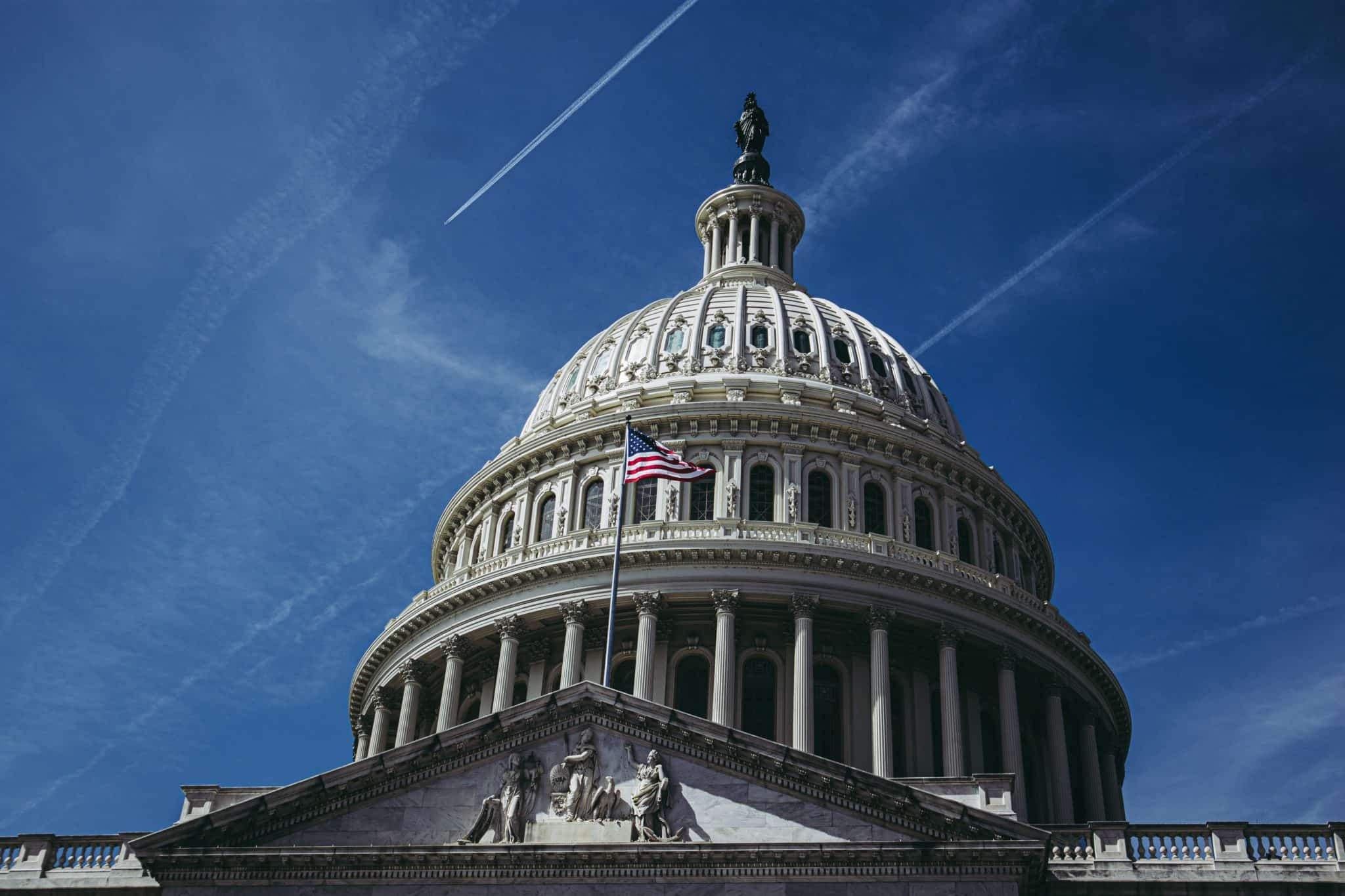
Yesterday, the Congressional Workers Union began voting on whether to unionize within Congress for the first time in history. “This is a historic and momentous day for both the labor movement and democracy, as we watch a union election play out for the first time in a congressional office in the history of the U.S. Congress,” the union announced. In recent times, social media accounts like “Dear White Staffers” have brought the plight of Congressional staff to the public eye, especially the challenges faced by staffers of color who are paid on average $5,600 less a year in the House and $9,100 less in the Senate.
The staffers belong to the office of House Representative Andy Levin (D-Michigan), who was primaried by Haley Stevens last month—meaning that the union, if successful, will be fairly short lived. Levin, a former union organizer himself, has been a proponent of progressive agendas within the Democratic party including Medicare for All and the Green New Deal. In addition to Levin’s staff, at least seven other Congressional offices have filed petitions with the NLRB for union elections. The results of this union election are expected on Monday.
An NLRB Judge granted Amazon’s request to reschedule a wrongful termination hearing that was scheduled on Sept. 27th for “on or soon after January 10, 2023.” Amazon wrote in its motion that a key witness would be unable to testify until January due to a medical condition for which she has taken leave from the company. The administrative law judge initially denied the request to postpone, stating that it would be prejudicial to the worker who alleges unlawful discharge for engaging in protected concerted activities. Counsel for NLRB GC Abruzzo argued that the Board could continue with the hearing, and determine afterwards “the date and manner of obtaining the unavailable witness’s testimony if she deems it necessary for disposition of the case” as, after the rest of the evidence is presented, there is a chance that the trial judge could determine that the witness’s testimony would not be necessary to reach a determination. The Board implicitly rejected this reasoning and determined that Amazon presented good cause for a postponement. However, the Board denied Amazon’s motion to postpone the hearing to even later than January 10 due to alleged scheduling conflicts for the Amazon GC’s office; the Board responded that Amazon needs to either reschedule those other commitments or else assign a new attorney who can “prepare over the next 3 months and litigate this case on or soon after January 10, 2023.”
Polls show that increased support for court expansion. A recent poll conducted by Marquette University Law School found that 51% of those polled supported adding more justices to the court. The percentage was even higher for Democrats, women, Black people, Hispanic people, and those aged 18-44.



Daily News & Commentary
Start your day with our roundup of the latest labor developments. See all
October 26
Harvard dining workers authorize strike; New York City bans horse carriages; Brooklyn nurses rally in support of colleague.
October 25
Dallas Cowboys Cheerleaders unionize; Bureau of Prisons again pushes for union contract cancellation; CSU faculty votes on strike authorization.
October 23
Employers increasingly shift health care costs onto workers and NYC proposes placing restrictions on fully automated customer service.
October 22
SCOTUS declines Wilcox appeal; Penn State research assistants win bargaining rights; SEIU sued over military leave firing.
October 21
DOL withdraws tipped-worker rule; Instacart settles hiring-bias claims; Phillips 66 locks out New Jersey refinery workers.
October 20
Korean unions oppose labor exemption bill; Portland city workers prepare for strike; UPenn grad student union looks to dismiss university filing