
Jon Levitan is a student at Harvard Law School and a member of the Labor and Employment Lab.
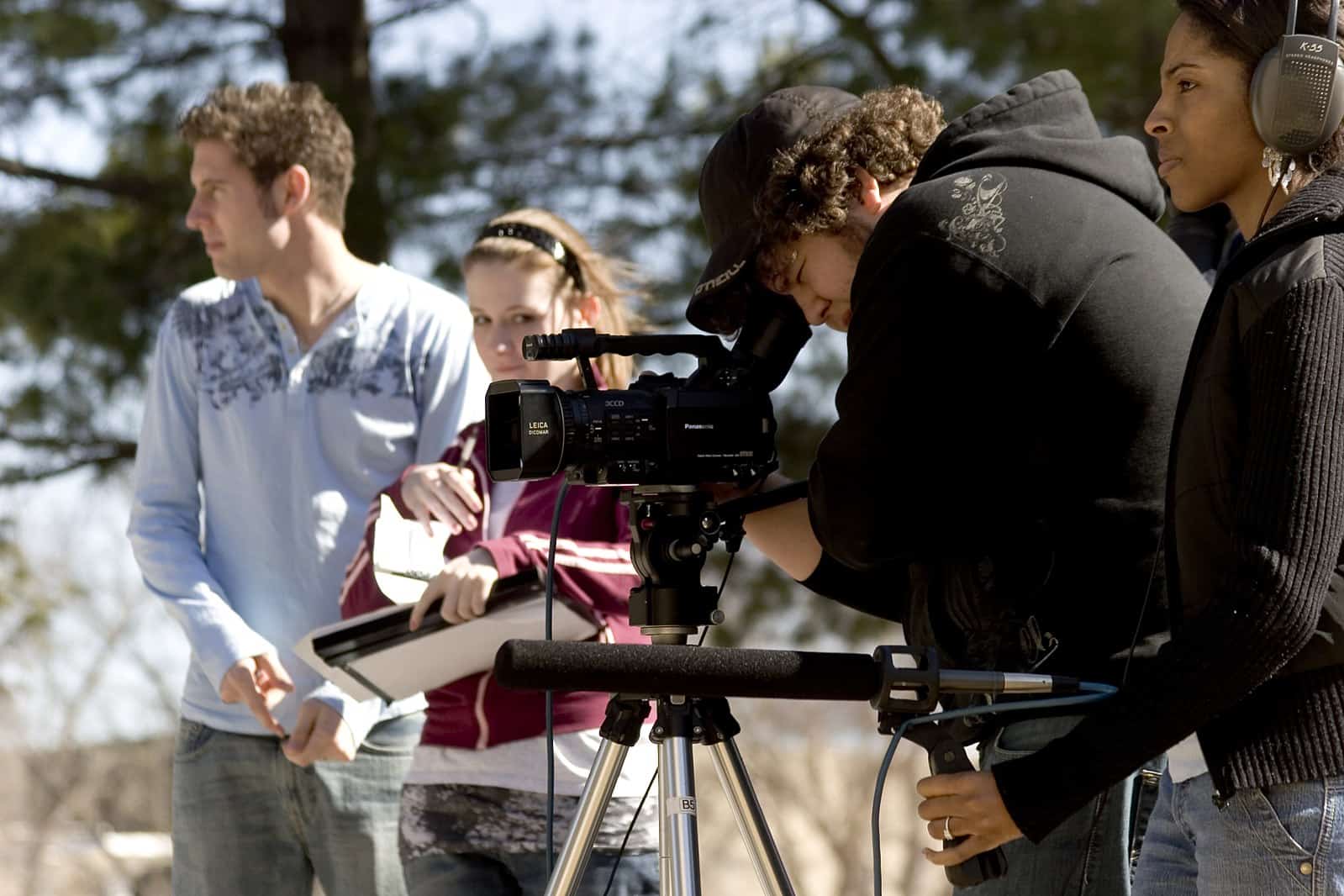
A potential strike by IATSE—which would have been the largest in this country since 2007—has officially been averted as below-the-line workers in the television and films industries have ratified the Basic Agreement and Area Standards Agreement (ASA). Because IATSE has an electoral college-type voting system where each local gets a certain number of votes based on their membership, and those votes are either all yes or all no, the contracts passed by a relatively clear margin: 349 delegates voting yes to 282 delegates voting no. But the popular vote was much closer. The majority of voters voted against the Basic Agreement, the larger of the two contracts, as 49.6 percent voted yes to 50.4 percent voting no. The ASA barely fared better, with 52 percent of voters approving the contract and 48 percent voting no (the combined popular vote on both contracts was 50.3 percent yes to 49.7 percent no).
According to Alex Press, writing for Jacobin, the fact that the Basic Agreement passed “even as the majority of ballots were against it is a worst-case scenario for the newly energized membership, whose experience of time off from production jobs at the start of the pandemic combined with the tighter labor market to heighten their expectations of what work can and should be. Some of those members will feel that the contract was forced on them undemocratically, even as they were ready and willing to strike.” The major issue for the IATSE members was scheduling and overwork. The union secured a 10 hour turnaround time, meaning that workers will have 10 hours between the ends of their shifts and the start of the next one. But many rank-and-file members believe 10 hours is not enough, and pushed for a 12 hour turnaround time. No voters saw the ratification of these contracts as a missed opportunity: “I think we’re missing an opportunity here — both because of the Rust incident [where IATSE member Halyna Hutchins was killed on set after producers repeatedly cut corners on safety] and the overall growing labor actions throughout the country — if we don’t reject and ask for more, like twelve-hour turnarounds or additional residuals from streaming,” one no voter told Press.
The Harvard Graduate Student Union (HGSU) reached an agreement with the University last night on a four-year tentative agreement that would cover student workers in research and teaching positions. The proposed agreement comes after a three-day strike last month during parents weekend. HGSU was poised to go on a second strike beginning today, in response to intimidation during the first strike that the union alleges amounted to an Unfair Labor Practice. HGSU’s bargaining committee has recommended that members not withhold labor in light of the tentative agreement, and a vote to officially call off the strike is ongoing. A ratification vote will take place from November 18 to November 27. It would be HGSU’s second contract after a one-year contract was agreed to 2020.
Finally, the results from the International Brotherhood of Teamsters elections are beginning to roll in. The Teamsters will have new leadership for the first time in over two decades as James P. Hoffa, the longtime president, is retiring. His favored successor, Steve Vairma, running on the Teamster Power slate, is the underdog in the election. An insurgent group pushing for more militancy known as Teamsters United and led by Sean O’Brien and Fred Zuckerman are the favorites; early results show Teamsters United with a solid lead.





Daily News & Commentary
Start your day with our roundup of the latest labor developments. See all
October 9
DHS proposes a $100k fee for the foreign grad employment program; Trump suspends tech company access to green card program; and private equity perpetuates poor working conditions for home care workers.
October 8
NLRB judge finds UPS unlawfully restricted union insignia; Harvard graduate workers authorize second strike; OSHA orders Union Pacific to pay $300,000 in damages in whistleblower case.
October 7
DOL scraps plan to remove decades-old wage-and-hour guidance from federal regulations; New York enacts personnel records access law; Starbucks loses bid to dismiss Workers United trademark suit.
October 6
Protect College Sports Act dampens athlete unionization outlook; Stanford RA union decides to withdraw petition
October 5
Delaware bans captive audience meetings; EEOC settles remote work national origin discrimination claim; First Circuit stays enforcement order in VA's dispute with AFGE.
October 4
Boston nurses announce open-ended strike; federal judge restores federal prison workers' union protections; St. Louis workers form the first movie theater union in Missouri.