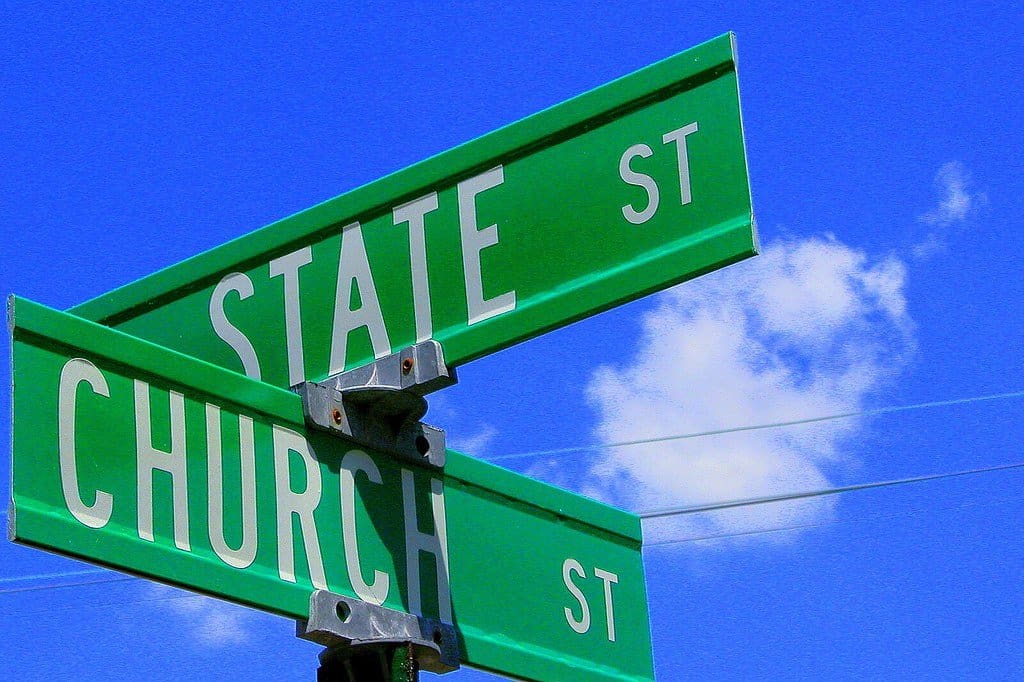

The Supreme Court has granted cert in Our Lady of Guadalupe School v. Morrissey-Berru and St. James School v. Biel, which it will hear as a consolidated case regarding the scope of the First Amendment “ministerial exception” for religious employers. The cases involve teachers at two Catholic schools in California who sued their employers for discrimination, one under the Age Discrimination in Employment Act and the other under the Americans with Disabilities Act. In both cases, the Ninth Circuit ruled that the schools could not evade suit by saying that the teachers qualified for the ministerial exception because their roles were sufficiently secular under a totality of the circumstances test. Other circuit courts have focused more narrowly on employees’ job duties. If the Court expands the scope of the ministerial exception, religious institutions will gain additional immunity from employment discrimination suits.
In Apogee Retail, the National Labor Relations Board overturned the Obama-era decision in Banner Estrella Medical Center, which had required a case-by-case assessment of whether an employer could require employee confidentiality for a workplace investigation. In its place, the Trump Board held that investigative confidentiality rules are lawful when, on their face, they apply only for the duration of the investigation. Writing in dissent, former NLRB Member Lauren McFerran said that under the Board’s new rule, “[a] victim of sexual harassment will risk being fired if she dares to warn her coworkers or seeks help from an outside advocacy group.” Former NLRB Chairman Mark Gaston Pearce called the decision a “shut up” to the #MeToo movement.
Lift Our Voices, a new advocacy group founded by former Fox News employees Gretchen Carlson, Julie Roginsky, and Diana Falzone, authored a letter to all the presidential campaigns yesterday asking them to speak out against nondisclosure agreements (NDAs) that bar employees from talking about their workplace environments. The letter states that such “NDAs are a driving force in silencing workers and promulgating a culture where employers are able to cover up toxicity, including issues of sexual harassment and gender discrimination, rather than address it and end it.” The group has made clear that they are not calling for an end to all NDAs, recognizing their necessity in select situations.
Uber, the rideshare transportation company, has agreed to pay $4.4 million into a victims’ compensation fund as part of a settlement with the Equal Employment Opportunity Commission (EEOC) over sexual harassment and retaliation claims. In addition, Uber will create a system to identify employees who have been the subjects of complaints and managers who have not responded to complaints in a timely fashion. Former EEOC Commissioner Fred Alvarez will monitor Uber for three years.
Meanwhile, the EEOC has reversed its 22-year old position against mandatory arbitration of employment discrimination claims. In its original 1997 policy statement, the agency said that such agreements had the potential to “harm both the individual civil rights claimant and the public interest in eradicating discrimination.” The new statement reversing the agency’s position lists the voluminous Supreme Court precedent in favor of arbitration from the past two decades, leading the EEOC to conclude that the 1997 statement “does not reflect current law.”

Daily News & Commentary
Start your day with our roundup of the latest labor developments. See all
May 5
SAG-AFTRA strikes tentative deal; DOL set to decide on Biden overtime rule; IATSE files unfair labor practice charges against the Kennedy Center
May 4
Trump signs order to expand retirement plan access; Eleventh Circuit upholds NLRB determination that security guard lieutenants can unionize; REI workers launch consumer boycott.
May 3
Florida further restricts public employee unions; Yale begins negotiations with postdoc union, and online tabletop game developers seek to unionize.
May 1
Workers and unions organize May Day; and Volkswagen challenges NLRB regional directors.
April 30
US Circuit Court of Appeals renders decision on Jefferson Standard test; construction subcontractors settle over wage theft in Minnesota; union and immigrant groups urge walkout.
April 29
DOJ sues for discrimination against US citizens; Musk and DOJ pause litigation on AI discrimination bill; USTR hosts forced labor tariff hearings.