
Jon Levitan is a student at Harvard Law School and a member of the Labor and Employment Lab.
Yesterday Senate Democrats released their $3.5 trillion dollar budget blueprint that they hope to pass via reconciliation without needing any GOP votes. A publicly released memo sent by Budget Committee Chairman Bernie Sanders (I-Vt.) details the provisions in the budget, including universal pre-K, free community college, and a path to lawful permanent status for undocumented immigrants. And Sanders’s memo confirms that “labor enforcement and penalties” are intended to be included in the final package passed. Bloomberg Law reports that the language is designed primarily to do two things. First, Democrats intend to create some sort of tax credit or deduction for money spent on union dues, providing an extra financial incentivize for workers to unionize. Workers had long been able to deduct union dues in some circumstances from their federal taxes before that deduction was eliminated in the 2017 Republican tax bill. Democrats intend to at least reinstate the deduction, or—depending on what the Senate Parliamentarian thinks of all this—even create a refundable tax credit for money spent on union dues.
Second, Democrats intend to include civil penalties for violations of the NLRA in the budget measure. Ben, Tascha, and Maxwell wrote last month about why this provision, which would finally provide the NLRB with some real teeth, is worth fighting for. This measure is seen as having the best chance to clear the Parliamentarian’s watchful eye, since the money collected for violations of the NLRA would go straight to the NLRB, a federal agency.
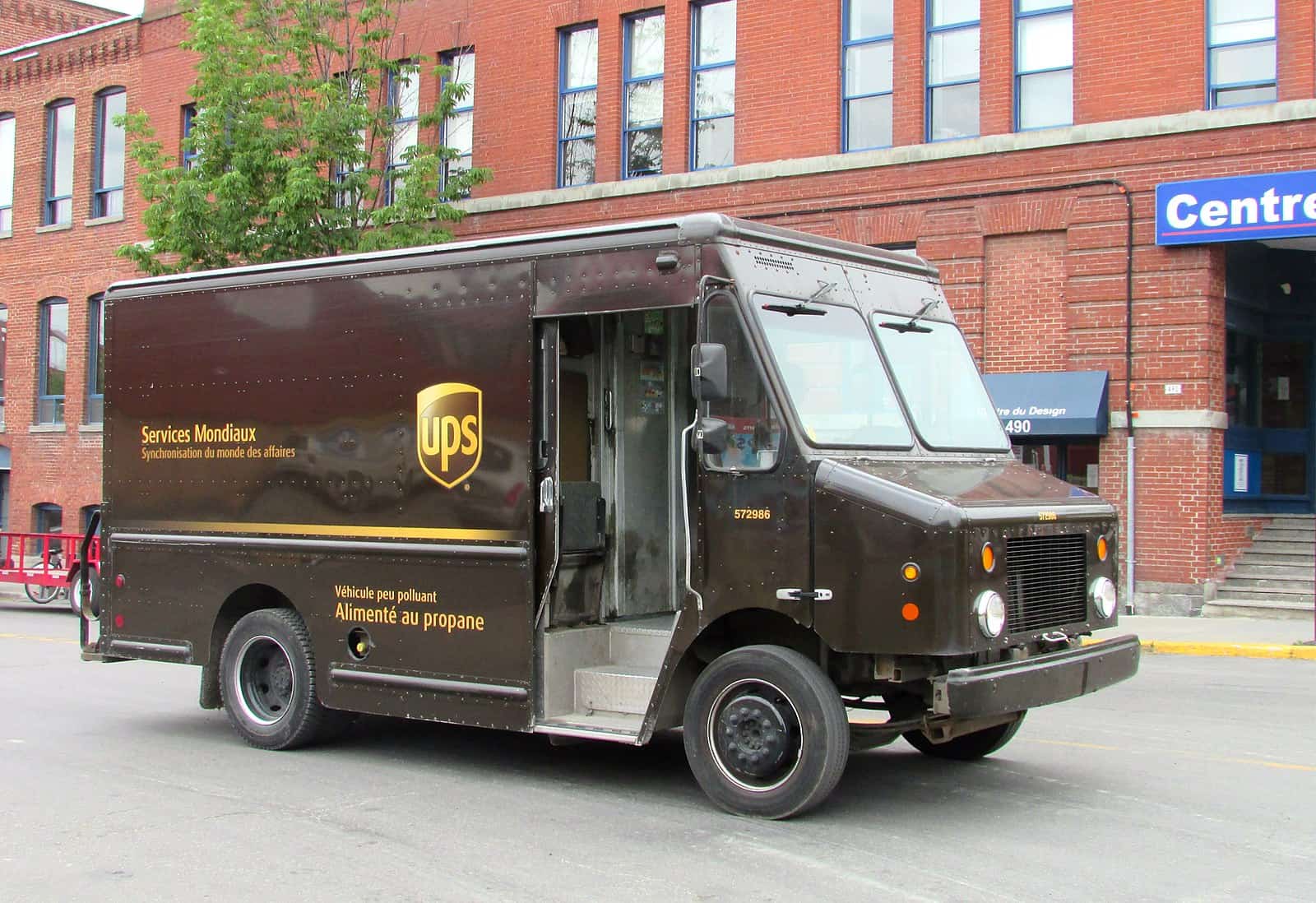
The Teamsters (IBT) will be electing a new president to succeed James P. Hoffa this year, and UPS—the Teamsters’s largest employer and party to the largest private sector CBA in the country—is nervously watching the race according to Freight Waves. The two leading candidates are Steve Vairma, who is favored by Hoffa, and Sean M. O’Brien, president of the IBT Local 25 in Boston. O’Brien is something of an insurgent, with a reputation as a firebrand and is especially feared by UPS. “He is feared inside UPS for being a no-compromise hardliner,” an industry executive told Freight Waves. “In any situation involving his local, [UPS] felt it had no good way to control him.” O’Brien’s insurgent slate won some key victories at the IBT convention earlier this, including the elimination of a rule that required two thirds of a bargaining unit to vote no on a contract to deny its ratification and enacted a rule that strike funds would begin to be disbursed immediately, rather than on the eighth day of a strike. If O’Brien wins the election, he will be in charge of the negotiations with UPS. The current CBA expires in July 2023.


Daily News & Commentary
Start your day with our roundup of the latest labor developments. See all
May 13
House Republicans push for vote on the SCORE Act; Wells Fargo wins 401(k) forfeiture appeal; Georgia passes portable benefits bill.
May 12
Trump administration proposes expanding fertility care benefits; Connecticut passes employment legislation; NFL referees ratify new collective bargaining agreement.
May 11
NLRB Judge finds UPS violated federal labor law; Tennessee bans certain noncompetes; and Colorado passes a bill restricting AI price- and wage-setting
May 10
Workers at the Long Island Rail Road threaten to strike, and referees at the National Football League reach a collective bargaining agreement.
May 9
HGSU wraps up its third week on strike and economists find that firms tend to target workers with “wage premiums” for AI replacement.
May 7
DOL drops litigation of Biden-era overtime rule; EEOC sues NYT for discrimination against white male employee; New Jersey finalizes employee classification rule.