Leigh Thomas is a student at Harvard Law School.
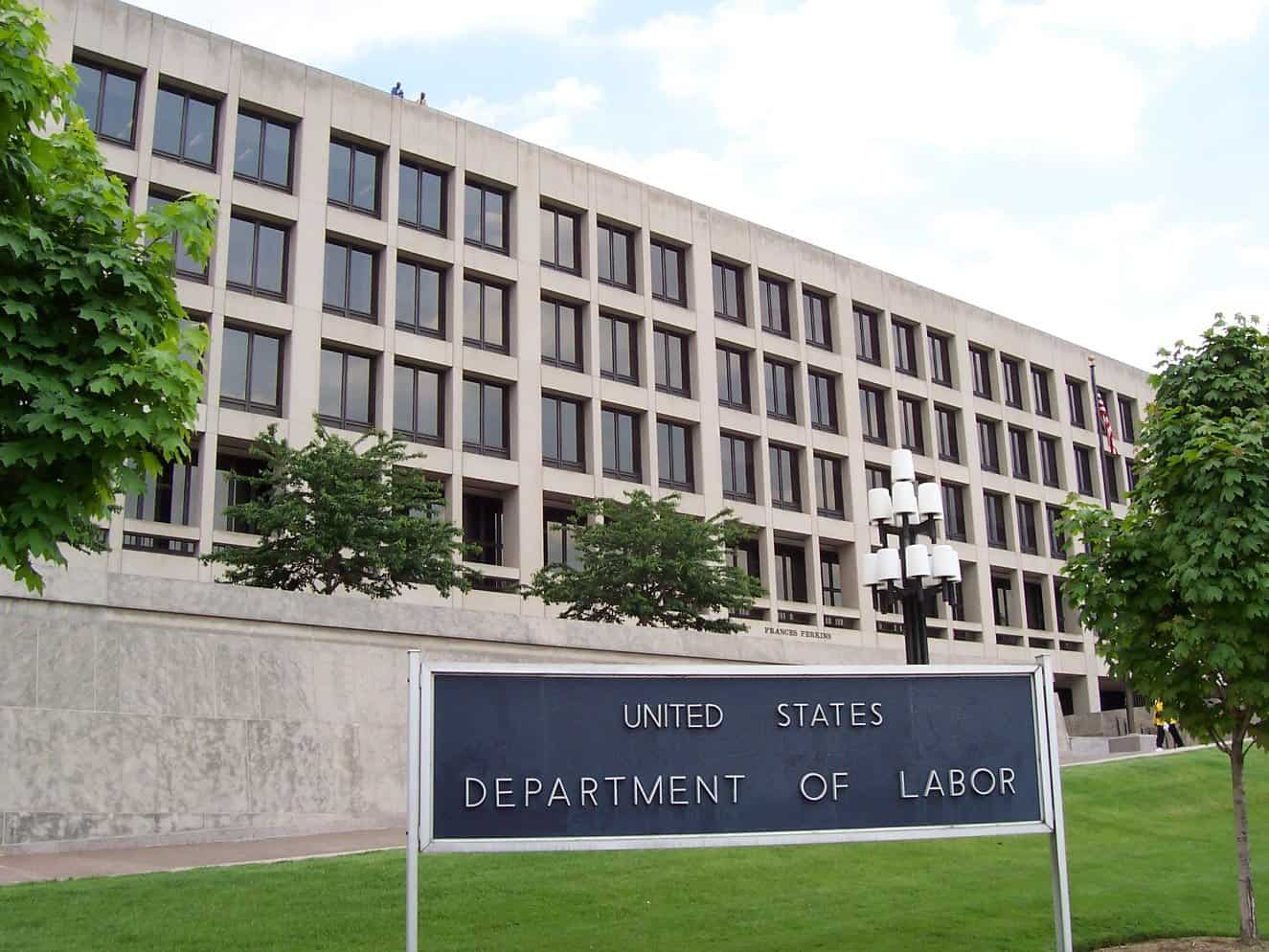
New York’s attorney general sued the Trump Administration yesterday to challenge the Department of Labor’s new rule regarding eligibility for coronavirus-related paid sick leave. The suit charges that the Department’s rule unlawfully narrows workers’ eligibility for emergency family leave and paid sick leave guaranteed by the Families First Coronavirus Response Act. The complaint alleges that the rule conflicts with the statute on multiple fronts: by denying leave if a worker’s employer “does not have work” for the employee, by adopting an impermissibly broad definition of “health care providers” to be excluded from coverage, by limiting the availability of intermittent leave and requiring employer consent, and by requiring that employees provide extensive documentation along with a request for leave. New York argues it is harmed by the rule because its implementation will increase the likelihood that sick workers will stay at work, leading to increased infections and worse outcomes.
Grocery store workers and their unions are criticizing new CDC guidance that recommends critical infrastructure workers be permitted to continue working following potential exposure to COVID-19. “Critical infrastructure workers” includes workers in food and agriculture, critical manufacturing, and transportation. Previous guidance recommended that exposed workers stay home for fourteen days. Under the new guidance, exposed workers who are asymptomatic should continue working while following a set of precautions. These include having their temperature taken before entering the work facility, wearing a mask at all times, and practicing social distancing. As Deanna and others have reported, social distancing is near impossible in many food processing jobs. Labor advocates worry the new guidelines may encourage employers to pressure workers to return to their jobs too soon. These guidelines come as infections and deaths are increasing among grocery store workers nationwide.
Labor and robotics experts advise that social-distancing directives may lead to the acceleration of automation across multiple industries. As essential businesses try to reduce employee contact, robots provide a solution. Several robotics companies have reported significant increases in orders for robots that do jobs such as sorting through recycled material and cleaning floors. Grocery stores are increasingly relying on automation, including automated floor cleaners and self-checkout counters. There is concern that once panic buying ends and the oncoming recession depletes demand, companies that reassigned workers during the pandemic may no longer have a need for them. Even YouTube has announced that under current social distancing, the company will rely more on machine learning to review and moderate content—a job normally done by a worker.
Corporate behavior during the pandemic has exposed some of the shortcomings of the Business Roundtable’s 2019 pledge to promote an economy that serves all Americans. The pledge, signed by C.E.O.s of 181 American corporation, commits that the purpose of a corporation should include investing in employees by compensating them fairly and providing important benefits. Today, several key signatories of the pledge, including Marriott International and Macy’s, are furloughing workers while still paying dividends to shareholders. Amazon, also a signatory, has been the subject of multiple worker-led protests regarding lack of protective gear and safe working conditions.
Newly furloughed Disney World workers staged stay-at-home protests on Monday aimed at Florida’s struggling unemployment system. As Mackenzie covered on Monday, unemployment systems in states across the country are faltering amid crushing demand. Florida is no different—applicants report losing progress mid-applications and frequent system crashes. Disney World workers hung signs in their windows and promoted the hashtag #WorkersCan’tWait to call on Florida to fix its broken system. Unions representing the workers reached an agreement with Disney World last weekend that maintains medical, dental and life insurance for workers during the duration of their furlough.
Amazon announced it will be hiring for 75,000 new jobs, on top of the 100,000 they already hired for. This comes as unions and elected officials have criticized Amazon’s response to the outbreak and called for the closure of its fulfillment centers.
Following a dispute earlier this week over musician fees for streaming content, the American Federation of Musicians union has agreed to allow a charity stream of Disney on Broadway to proceed. The charity will benefit Broadway Cares and Equity Fights AIDS. Several musicians who performed in Disney on Broadway stated publicly they would be willing to donate their rights to fees for the charity event.


Daily News & Commentary
Start your day with our roundup of the latest labor developments. See all
October 27
Some California union locals defy their statewide leadership to back the state’s billionaire tax proposal; a Brown University technology center releases a map of the hidden global workforce behind AI; the National Women's Soccer League and its players union settle six grievances.
October 26
Harvard dining workers authorize strike; New York City bans horse carriages; Brooklyn nurses rally in support of colleague.
October 25
Dallas Cowboys Cheerleaders unionize; Bureau of Prisons again pushes for union contract cancellation; CSU faculty votes on strike authorization.
October 23
Employers increasingly shift health care costs onto workers and NYC proposes placing restrictions on fully automated customer service.
October 22
SCOTUS declines Wilcox appeal; Penn State research assistants win bargaining rights; SEIU sued over military leave firing.
October 21
DOL withdraws tipped-worker rule; Instacart settles hiring-bias claims; Phillips 66 locks out New Jersey refinery workers.