
Anjali Katta is a student at Harvard Law School.
In today’s news and commentary, the NLRB uses the Obama-era Browning-Ferris standard, a fired National Park ranger sues the Department of Interior and the National Park Service, the NLRB closes out Amazon’s labor dispute on Staten Island, and OIRA signals changes to the Biden-era independent contractor rule.
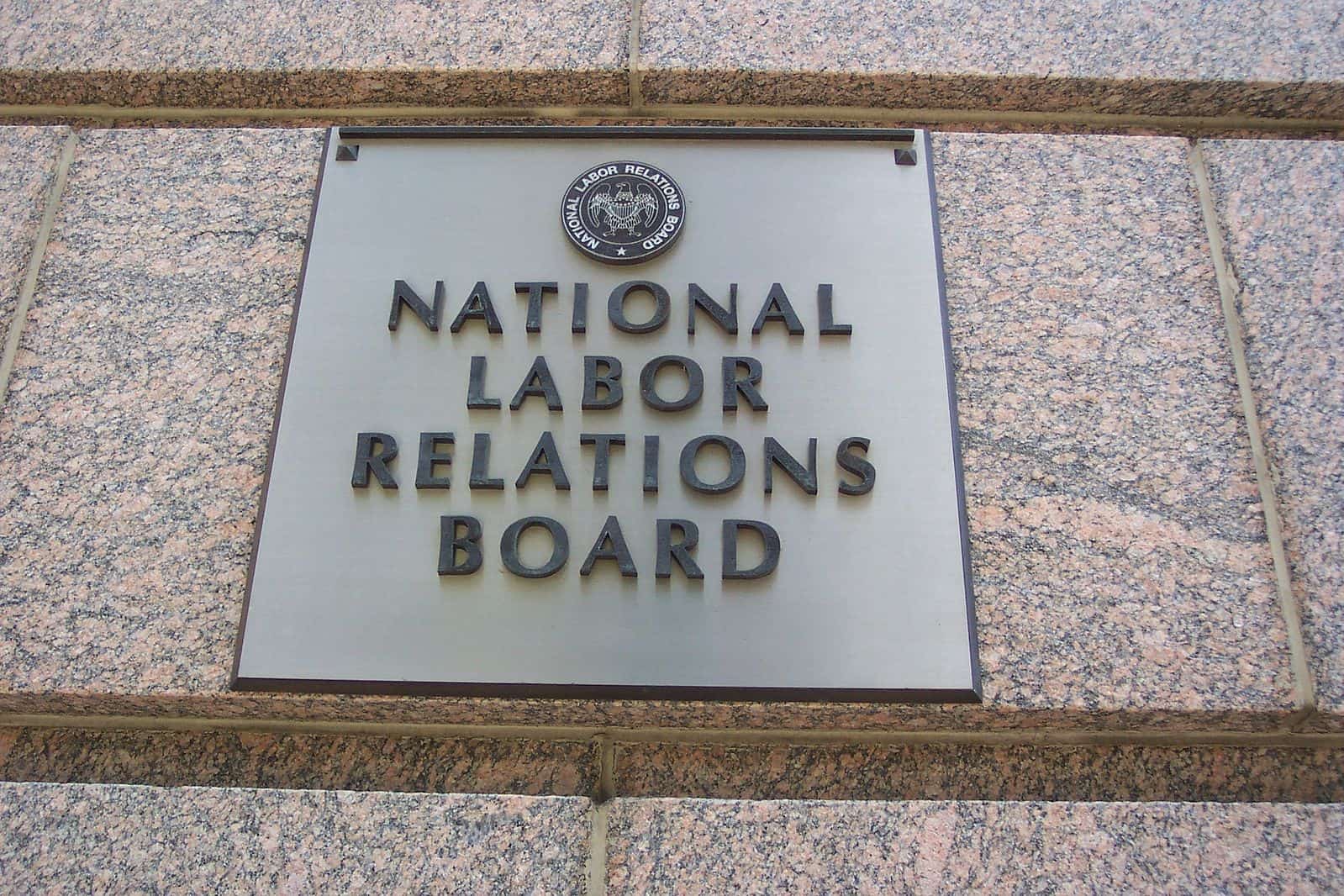
The NLRB ruled that Browning-Ferris Industries jointly employed recycling workers alongside staffing firm Leadpoint , applying the Obama-era 2015 Browning-Ferris standard. The 2015 framework, which was replaced by a more employer-friendly test promulgated in 2020, considers both direct and indirect control over workers’ conditions, unlike the 2020 rule, which focuses only on direct control. By applying the 2015 standard, the Board is abiding by the DC Circuit’s instruction from three years ago to apply the worker friendly standard. The original case dates to 2013, when a Teamsters affiliate sought to represent Leadpoint employees. The curent ruling found Browning-Ferris exercised both direct control over duties and wages and indirect control over other employment conditions. While the Board emphasized this was a special exception and the 2020 standard governs current cases, the Browning-Ferris framework could return if the Service Employees International Union succeeds in its pending challenge before the DC Circuit.
A ranger at Yosemite National Park has sued the federal government after being fired for hanging a trans pride flag from El Capitan. Shannon Joslin, a nonbinary ranger and biologist, unfurled the flag in May 2025 while off duty to protest the Trump administration’s rollback of trans rights. The display lasted about three hours. The lawsuit accuses the National Park Service and United States Department of the Interior of a “vindictive campaign” targeting protected off-duty speech. Joslin was terminated in July for alleged misconduct and participating in an unpermitted demonstration outside designated protest areas and now faces a criminal investigation. They seek reinstatement, an end to the probe, and damages. The Interior Department declined to comment on personnel matters.
The NLRB ruled that Amazon did not violate federal labor law by informing workers of previously announced benefits during an anti-union meeting. In a unanimous decision, the three-member panel upheld a January 2023 finding by an Administrative Law Judge that companywide benefit changes announced in September 2021 were not intended to discourage union support. The dispute arose from organizing efforts by the Amazon Labor Union at two Staten Island facilities in 2021. The Board said the benefits announcement made no reference to the union and did not imply benefits would be lost if workers organized. The decision resolves remaining allegations left unaddressed in a 2024 ruling, when the Board (then led by a Democratic majority) found Amazon committed other unfair labor practices.
The White House’s Office of Information and Regulatory Affairs (OIRA) has met with eight business groups over the past three weeks to discuss the Labor Department’s pending independent contractor rule, signaling uncertainty about a return to a less worker friendly standard. Biden’s version of the classification rule—which made it harder to treat workers as contractors—was heavily litigated. The Trump DOL last year directed its staff not to enforce the regulation. OIRA met with pro-management groups including the US Chamber of Commerce, Independent Work Coalition, and Flex Association, along with the American Trucking Association and Retail Industry Leaders Association, represent sectors like construction, trucking, and gig companies such as Uber and Lyft.
Daily News & Commentary
Start your day with our roundup of the latest labor developments. See all
October 5
Delaware bans captive audience meetings; EEOC settles remote work national origin discrimination claim; First Circuit stays enforcement order in VA's dispute with AFGE.
October 4
Boston nurses announce open-ended strike; federal judge restores federal prison workers' union protections; St. Louis workers form the first movie theater union in Missouri.
October 2
Gov. Newsom signs bill regulating AI in workplace; federal judge blocks Trump's $100,000 H-1B visa fee.
October 1
Senate confirms Keith Sonderling as Labor Secretary; Amazon warehouse workers launch an unfair labor practice strike.
September 30
Harvard grad union wins in First Circuit; AI data trainers initiate misclassification suits; Trader Joe’s found liable under ERISA.
September 29
Unions, AI companies, and private equity firms form a new coalition to shape data center policies; unions express support for the Paramount-Warner Bros. merger.