Maddie Chang is a student at Harvard Law School.
In today’s Tech@Work, fast food chains introduce AI surveillance systems to encourage “upsizing,” and tech companies defeat child cobalt miners’ forced labor case.
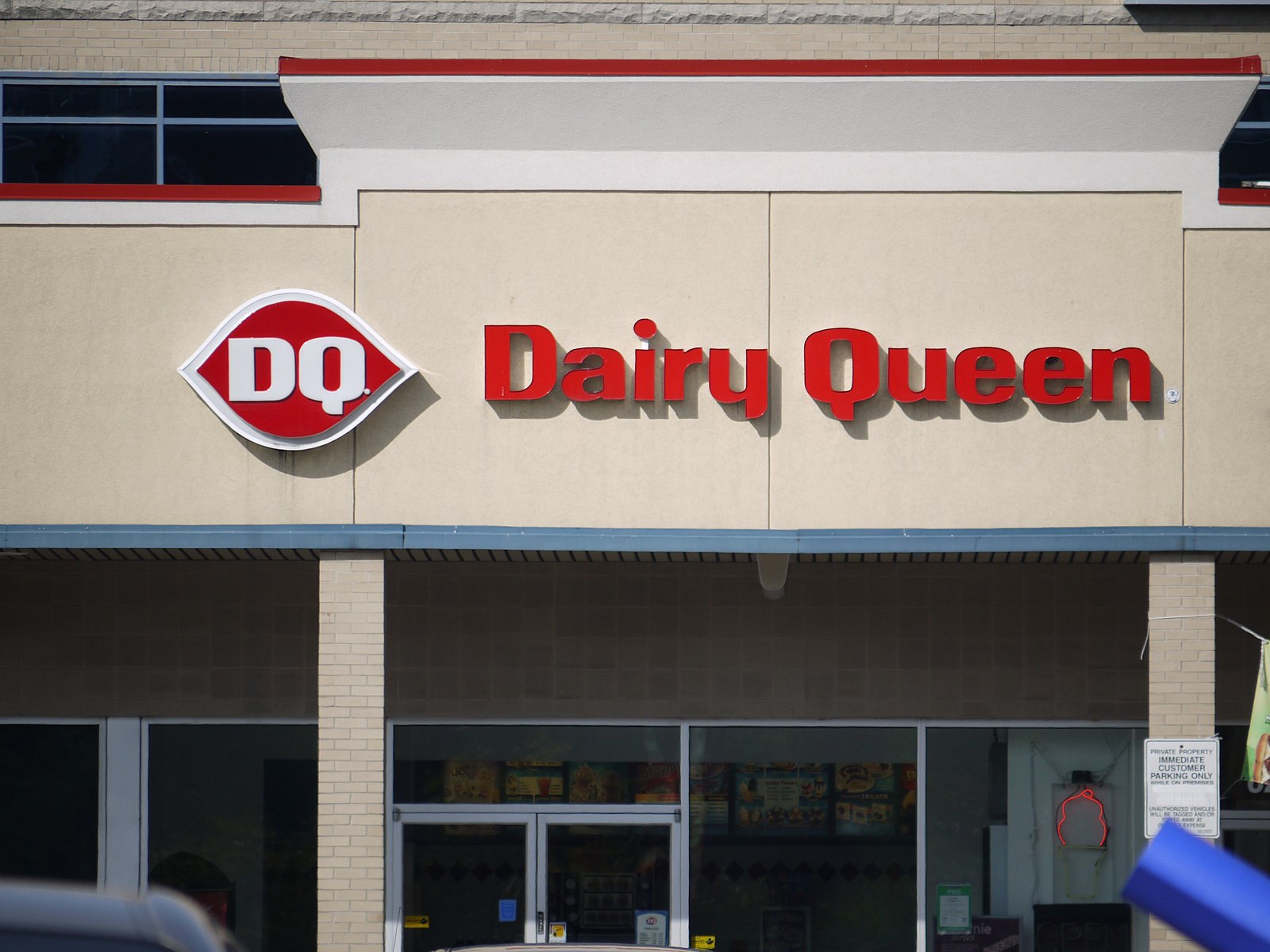
KFC, Taco Bell, and Dairy Queen have begun to use an AI system to monitor worker productivity. As reported in Yahoo!Finance, a system called “Riley” collects audio and video data and allows managers to review employee performance. In particular, the system captures how often employees offer to “upsize” orders or advertise loyalty programs to customers. One of Riley’s case studies on Dairy Queen explains: “Armed with Riley’s reports which provided deeper layers of insights into the employees’ performance and even broken down further into individual performance scores, all backed by video and audio clips for reference…General Managers were listening more intently, coaching and training employees and sharing praise.” A Dairy Queen franchisee quoted by the article said that since introducing the AI system, he’s seen a 3% increase in sales.
Data and Society researcher Alexandra Mateescu noted that the system may be squeezing workplaces that are already severely understaffed. There are a number of additional concerns about the introduction of data-driven surveillance tools into the workplace, including privacy harms to workers and possible discrimination. Separately, emerging research shows that monitoring employees may not even work as intended to boost productivity. Finally, in a 2022 memo, National Labor Relations Board (“NLRB”) General Counsel Jennifer Abruzzo expressed concern that data-driven surveillance systems might interfere with workers’ rights to organize the workplace, in violation of Section 7 of the National Labor Relations Act. Her memo notes that employers who use these systems might violate Section 7 “by significantly impairing or negating employees’ ability to engage in protected activity” and by interfering with the ability to do so confidentially.
This week, the US Court of Appeals for the D.C. Circuit dismissed a case brought by child miners against big tech companies Apple, Alphabet, Dell, Microsoft, and Tesla. Reusable batteries that power everything from consumer electronics to electric vehicles use the mineral cobalt, much of which is mined in the Democratic Republic of the Congo (“DRC”). Some of this mining takes place in informal mines, and is done by children working in highly unsafe conditions, under severe economic pressure. The plaintiffs in this case were child miners from the DRC who’ve been injured mining for cobalt, as well their representatives. The lawsuit sought to hold American tech companies accountable for forced labor under the Trafficking Victims Protection Reauthorization Act (TVPRA), which makes it unlawful to participate in a venture that uses forced labor. The miners alleged tech companies have participated in a venture by purchasing cobalt from suppliers in the DRC who sell cobalt mined in part by forced labor. The court held that while the child miners did have Article III standing to bring damages claims, they failed to state a claim that the tech companies purchase of cobalt met the standard of “participation in a venture” under the TVPRA.





Daily News & Commentary
Start your day with our roundup of the latest labor developments. See all
October 14
Eleventh Circuit overturns ERISA exhaustion rule; DHS finalizes removal of automatic renewal for work permits; AFGE challenges SSA over flexible scheduling policy.
October 13
Chicago hotel workers remain on strike; a coalition of Democratic states sues the Labor Department over canceled unemployment insurance grants; the Federal Labor Relations Authority establishes a new mediation framework for federal worker disputes.
October 12
Workers at the Obama Foundation begin organizing; MLB submits its latest collective bargaining agreement proposal; Brigham & Women's nurses postpone strike.
October 11
UAW President Shawn Fain succeeds in his reelection bid, and Spanish unions call for a general strike.
October 9
DHS proposes a $100k fee for the foreign grad employment program; Trump suspends tech company access to green card program; and private equity perpetuates poor working conditions for home care workers.
October 8
NLRB judge finds UPS unlawfully restricted union insignia; Harvard graduate workers authorize second strike; OSHA orders Union Pacific to pay $300,000 in damages in whistleblower case.