
Linh is a student at Harvard Law School.
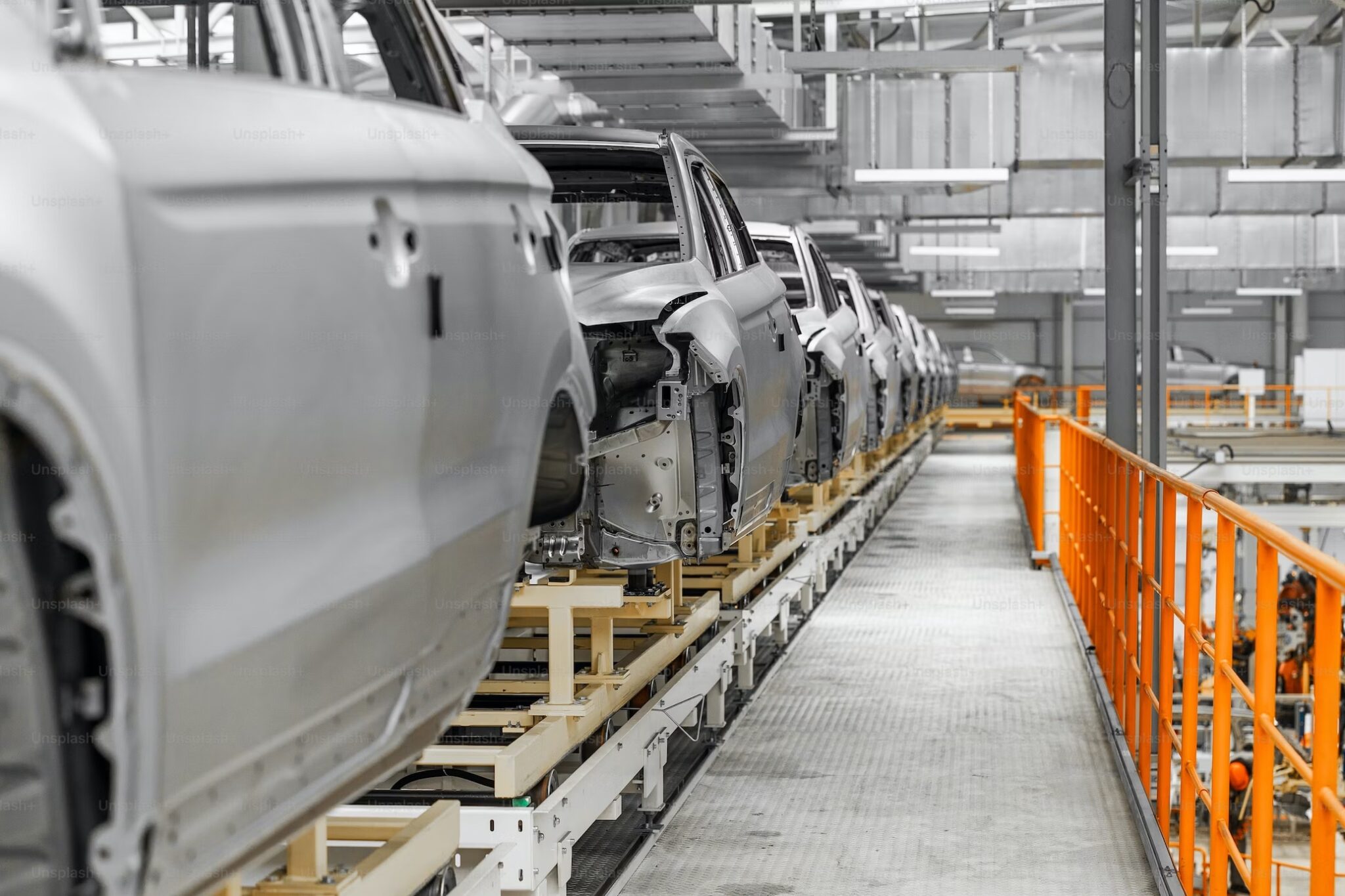
United Auto Workers president Shawn Fain announced on Wednesday that workers plan to strike against major Detroit automakers that fail to reach a new agreement by September 14, when the existing agreements expire. UAW, representing 150,000 workers at carmaker giants General Motors, Stellantis and Ford, is pushing for a 46% pay raise over four years in the face of stagnant wages and robust company profits. A strike against these Big 3 automakers could cause substantial damage to the industry, which accounts for 3% of the national economic input.
As presidential election campaigning ramps up, a new poll shows that 66% of all Americans support labor unions, and the number is 88% for Americans under 30 years old. Ray Zaccaro, AFL-CIO director of public affairs, discussed the major role labor groups are playing in the 2024 presidential election on CBS News yesterday. In the interview, Zaccaro praises President Biden as the most pro-labor president in recent history and credits his strong likelihood of reelection with union support, given the popular sentiments in favor of labor organizing.
Following the Supreme Court’s rejection of race-conscious admissions programs, conservative groups have been emboldened to file discrimination lawsuits to challenge diversity programs across multiple industries. Meta Platforms Inc. and three entertainment industry groups are the latest to face a lawsuit in federal court, alleging that their workplace diversity program intentionally discriminates against white people. The lawsuit is brought by America First Legal Foundation, led by former Trump adviser Stephen Miller. The legal industry has seen similar DEI lawsuits, despite white lawyers making up 72% of all law firm associates while making up only 68% of law school graduates.





Daily News & Commentary
Start your day with our roundup of the latest labor developments. See all
October 9
DHS proposes a $100k fee for the foreign grad employment program; Trump suspends tech company access to green card program; and private equity perpetuates poor working conditions for home care workers.
October 8
NLRB judge finds UPS unlawfully restricted union insignia; Harvard graduate workers authorize second strike; OSHA orders Union Pacific to pay $300,000 in damages in whistleblower case.
October 7
DOL scraps plan to remove decades-old wage-and-hour guidance from federal regulations; New York enacts personnel records access law; Starbucks loses bid to dismiss Workers United trademark suit.
October 6
Protect College Sports Act dampens athlete unionization outlook; Stanford RA union decides to withdraw petition
October 5
Delaware bans captive audience meetings; EEOC settles remote work national origin discrimination claim; First Circuit stays enforcement order in VA's dispute with AFGE.
October 4
Boston nurses announce open-ended strike; federal judge restores federal prison workers' union protections; St. Louis workers form the first movie theater union in Missouri.