
Divya Nimmagadda is a student at Harvard Law School.
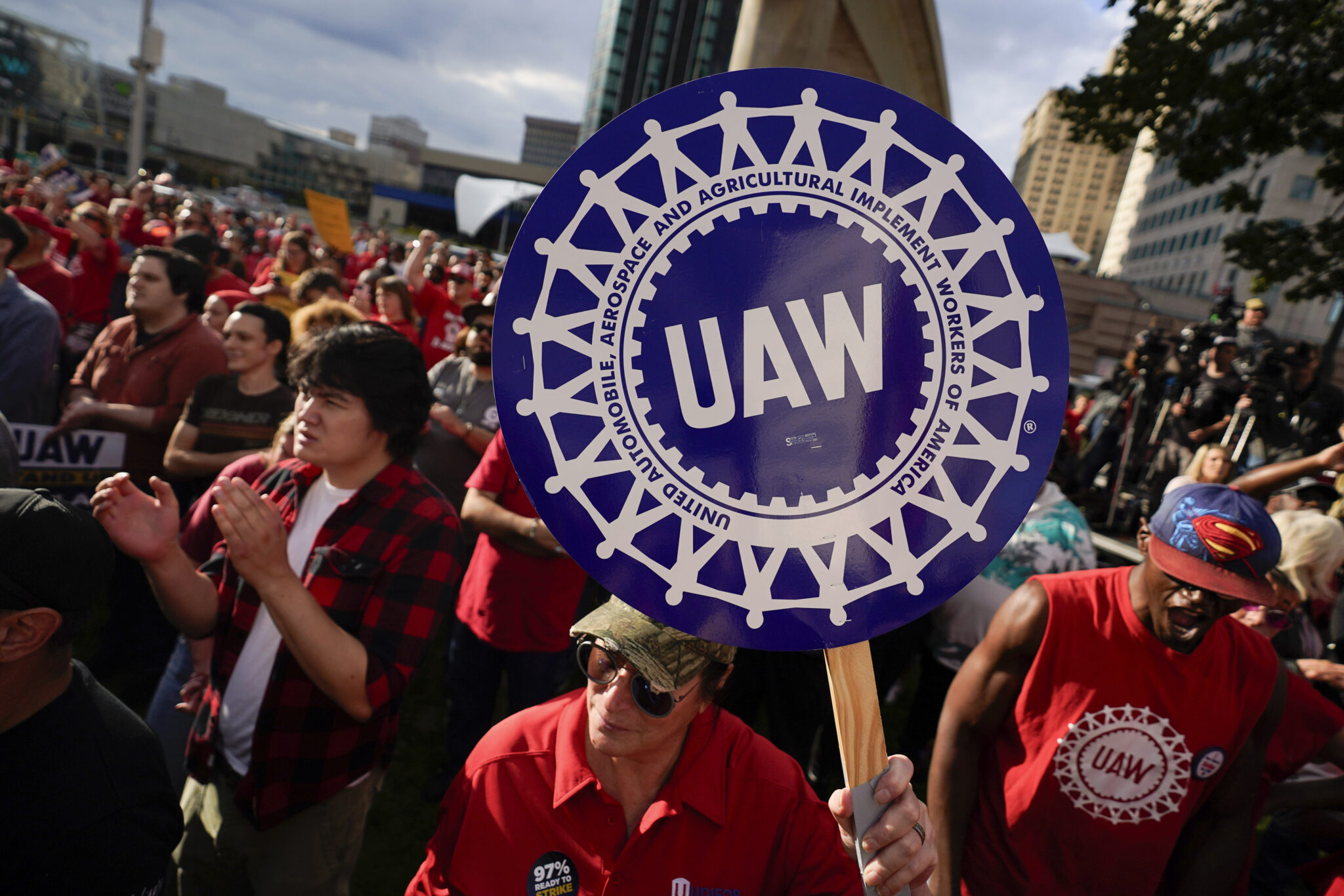
A majority of workers at the Ultium Cells battery plant in Tennessee signed union authorization cards to unionize under the United Auto Workers. Ultium Cells is a joint venture by General Motors (GM) and LG Energy to manufacture batteries for electric vehicles. As part of the new contract UAW won after its 2023 strike against GM, the company agreed to voluntary recognition of a union, without an election, at any of the Ultium plants if sufficient workers signed authorization cards. Ultium also has plants in Michigan and Ohio, and workers at the latter location voted to join UAW back in 2022. This has been part of the union’s strategy to ensure that “heads of the big three domestic producers do not use the transition to electric vehicles to move away from UAW representation at all of their production facilities.” The union finalized a contract with the Ohio location in June, and the new agreement includes a wage increase for production workers from $15 to $35 by October 2027, along with a bonus and other health and safety improvements.
It seems as though President Biden will soon announce that he is going to block Nippon Steel’s acquisition of Pittsburgh-based U.S. Steel. President Biden and Vice President Harris have both voiced opposition to the deal. Some think their opposition is linked with an attempt to gain support from the United Steelworkers union given the upcoming election and Pennsylvania’s status as a swing state. Though Nippon Steel has stated that there would be no layoffs or plant closures resulting from the acquisition, union leaders have expressed skepticism about the claim given loopholes in the deal. U.S. Steel released a statement claiming that blocking the transaction will put “thousands of good-paying union jobs at risk…[and] raise serious questions about U.S. Steel remaining headquartered in Pittsburgh.”





Daily News & Commentary
Start your day with our roundup of the latest labor developments. See all
October 12
Workers at the Obama Foundation begin organizing; MLB submits its latest collective bargaining agreement proposal; Brigham & Women's nurses postpone strike.
October 11
UAW President Shawn Fain succeeds in his reelection bid, and Spanish unions call for a general strike.
October 9
DHS proposes a $100k fee for the foreign grad employment program; Trump suspends tech company access to green card program; and private equity perpetuates poor working conditions for home care workers.
October 8
NLRB judge finds UPS unlawfully restricted union insignia; Harvard graduate workers authorize second strike; OSHA orders Union Pacific to pay $300,000 in damages in whistleblower case.
October 7
DOL scraps plan to remove decades-old wage-and-hour guidance from federal regulations; New York enacts personnel records access law; Starbucks loses bid to dismiss Workers United trademark suit.
October 6
Protect College Sports Act dampens athlete unionization outlook; Stanford RA union decides to withdraw petition