
Liana Wang is a student at Harvard Law School.
In today’s news and commentary, the U.S. Forest Service and California respond to concerns about firefighter safety, a new pay transparency law takes effect next month in Massachusetts, and Trump adds new hurdles for H-1B visa applicants.
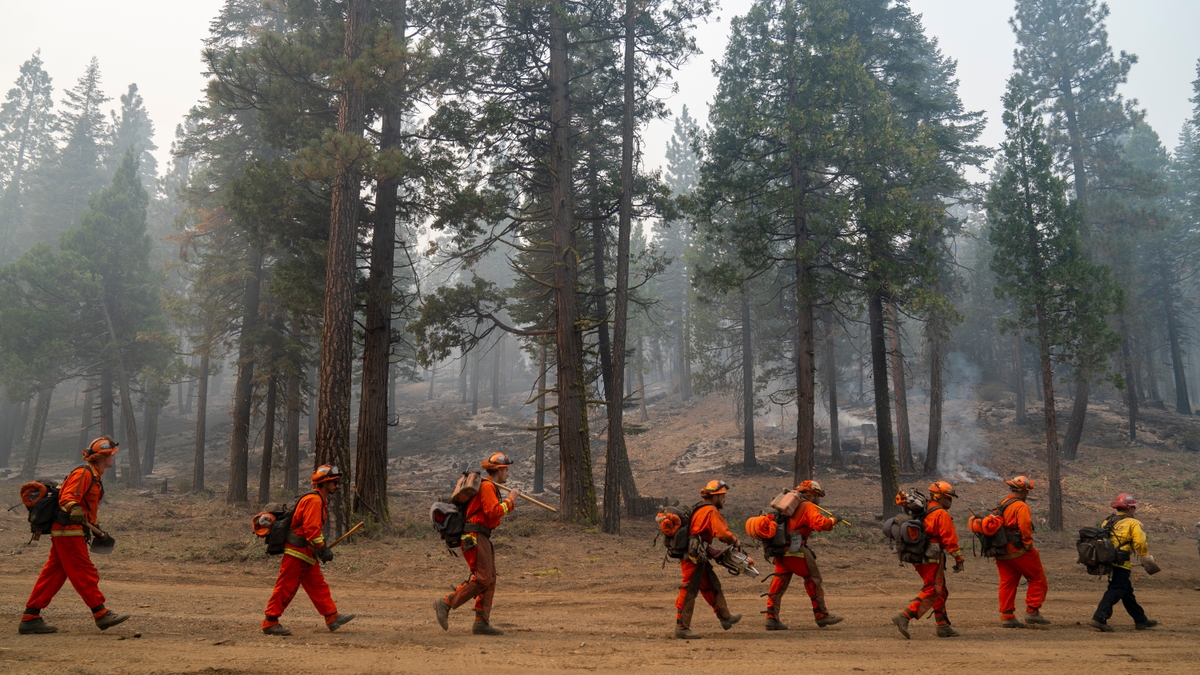
Last month, a series of New York Times articles covered the U.S. Forest Service’s decades-long policy of sending firefighters out into toxic wildfire smoke without masks. As a result, many firefighters develop cancer, heart disease, or other severe conditions in their twenties or thirties. Despite USFS research warning about perilous health outcomes, the agency prohibited its workers from wearing masks on the frontline, citing the risk of overheating. Yet other countries around the world use masks, and the Times investigation found that internally, USFS appeared more concerned about the costs associated with protecting its workers from the health effects of wildfire smoke. After the Times coverage motivated a House Oversight hearing, USFS released new guidance permitting firefighters to wear NIOSH-approved N-95 masks and has begun exploring a full mandatory mask program. In California, state regulators are looking to make further safety improvements. A draft proposal circulated by the state’s Occupational Safety and Health division would require employers to provide masks with filters to all firefighters, including contract workers who often receive less protection. The state has also proposed more research on firefighter cancer risk to fill the gap left when similar research was gutted by mass layoffs at NIOSH.
Meanwhile, in Massachusetts, employers are preparing for the state’s new pay transparency law to take effect in October. The new law requires private employers to submit workforce demographic data reports annually, and businesses with 25 more employees must disclose wage ranges in job postings and to applicants current employees upon request. The Massachusetts Attorney General’s office has released guidance on the law’s requirements. The new law is meant to close gender and racial wage gaps. 14 other states have enacted similar pay transparency requirements.
Lastly, on Friday, the Trump Administration announced a new $100,000 fee on H-1B visas, which are typically granted to high-skilled workers. The Administration cited the doubling of immigrant workers in STEM fields as evidence of “abuse” of the H-1B visa, which it also calls a “national security threat.” Although the Trump Administration hastily clarified on Saturday that the fee only applies to new visa applicants and does not affect renewals or current visa holders, many companies advised current H-1B visa holders to remain in or rapidly return to the United States. Tech and finance firms, as well as staffing firms that place software engineers, are some of the biggest users of the H-1B program. Medical and manufacturing companies are also likely to be impacted. Notably, left-leaning politicians like Senator Bernie Sanders have also critiqued the H-1B program for depressing wages and demand for American workers. Given the range of industries affected by the new rule, legal challenges are almost guaranteed.




Daily News & Commentary
Start your day with our roundup of the latest labor developments. See all
October 13
Chicago hotel workers remain on strike; a coalition of Democratic states sues the Labor Department over canceled unemployment insurance grants; the Federal Labor Relations Authority establishes a new mediation framework for federal worker disputes.
October 12
Workers at the Obama Foundation begin organizing; MLB submits its latest collective bargaining agreement proposal; Brigham & Women's nurses postpone strike.
October 11
UAW President Shawn Fain succeeds in his reelection bid, and Spanish unions call for a general strike.
October 9
DHS proposes a $100k fee for the foreign grad employment program; Trump suspends tech company access to green card program; and private equity perpetuates poor working conditions for home care workers.
October 8
NLRB judge finds UPS unlawfully restricted union insignia; Harvard graduate workers authorize second strike; OSHA orders Union Pacific to pay $300,000 in damages in whistleblower case.
October 7
DOL scraps plan to remove decades-old wage-and-hour guidance from federal regulations; New York enacts personnel records access law; Starbucks loses bid to dismiss Workers United trademark suit.