
John Fry is a student at Harvard Law School.
In today’s news and commentary, meatpacking giants settle wage-fixing suit; momentum grows for Boeing strike; and UAW staffers fight for a union contract.
A trio of meatpacking companies has agreed to settle a wage-fixing case for $57 million. Cargill, Hormel Foods, and National Beef were accused in a class-action lawsuit of conspiring to suppress workers’ wages using no-poach agreements and other methods. Several other meat companies have already settled in the same case, and the combined total of settlements to date exceeds $200 million. Relatedly, the Department of Justice has accused Agri Stats, a data company, of enabling a vast price-fixing scheme in the meat industry by disseminating industry-wide reports which the government claims meat companies have used to fix prices at an artificially high, anticompetitive level.
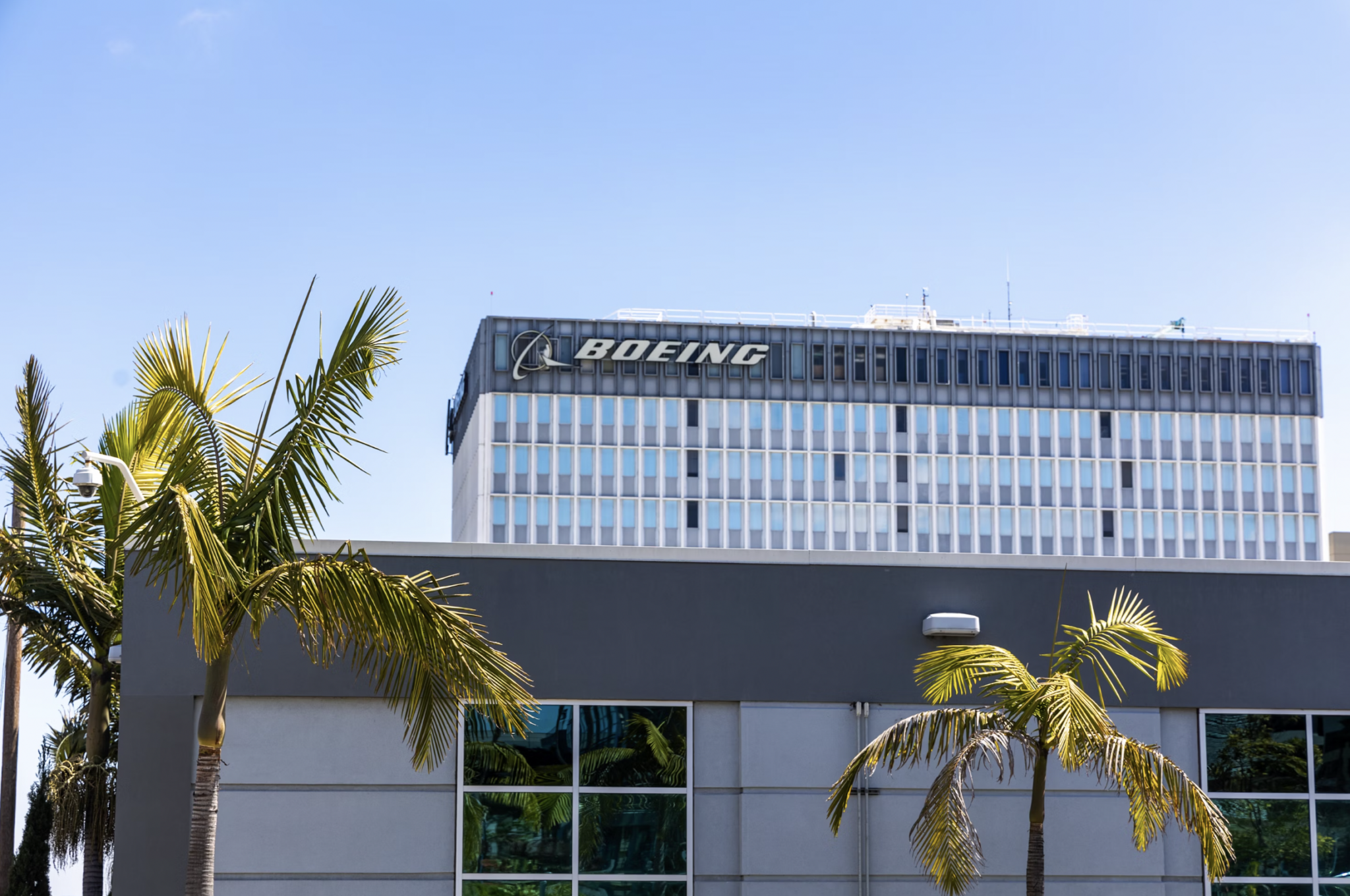
A strike may be impending at Boeing, as the company’s Seattle-area workers react negatively to a tentative agreement that their union reached with the company. While the agreement would provide the workers with a 25% pay raise over four years (a similar increase to what the United Auto Workers won from Detroit’s Big Three automakers last year), the agreement also eliminates a performance bonus for workers and does not restore pensions, which the union lost in its controversial 2014 contract with Boeing. The president of the Machinists local which represents the workers pointed to Boeing’s commitment to build its next line of planes in the Seattle area, an important commitment given the company’s controversial pivot in 2020 to assembling some planes in South Carolina, a move that some regarded as a union avoidance tactic. However, the rank-and-file appears largely unswayed, with some workers chanting “strike” during their lunch break and others preparing supplies for a picket line.
Lastly, UAW staffers who are organizing their own union have accused UAW of retaliating against them and denying them the same protections that UAW seeks for its own members. UAW Staff United has filed various unfair labor practice charges against the union, alleging that one organizer was wrongly terminated and that the union has engaged in bad-faith bargaining. Organizers argue that their own lack of job security undermines their ability to run organizing campaigns and bring more workers into UAW’s membership. For its part, UAW has denied the union’s claims and stated that it bargains in good faith with all unions representing UAW staff.





Daily News & Commentary
Start your day with our roundup of the latest labor developments. See all
October 12
Workers at the Obama Foundation begin organizing; MLB submits its latest collective bargaining agreement proposal; Brigham & Women's nurses postpone strike.
October 11
UAW President Shawn Fain succeeds in his reelection bid, and Spanish unions call for a general strike.
October 9
DHS proposes a $100k fee for the foreign grad employment program; Trump suspends tech company access to green card program; and private equity perpetuates poor working conditions for home care workers.
October 8
NLRB judge finds UPS unlawfully restricted union insignia; Harvard graduate workers authorize second strike; OSHA orders Union Pacific to pay $300,000 in damages in whistleblower case.
October 7
DOL scraps plan to remove decades-old wage-and-hour guidance from federal regulations; New York enacts personnel records access law; Starbucks loses bid to dismiss Workers United trademark suit.
October 6
Protect College Sports Act dampens athlete unionization outlook; Stanford RA union decides to withdraw petition