
John Fry is a student at Harvard Law School.
In today’s news and commentary, DOGE staffers eye NLRB for potential reorganization; attacks on federal workforce impact Trump-supporting areas; and Utah governor acknowledges backlash to public-sector union ban.
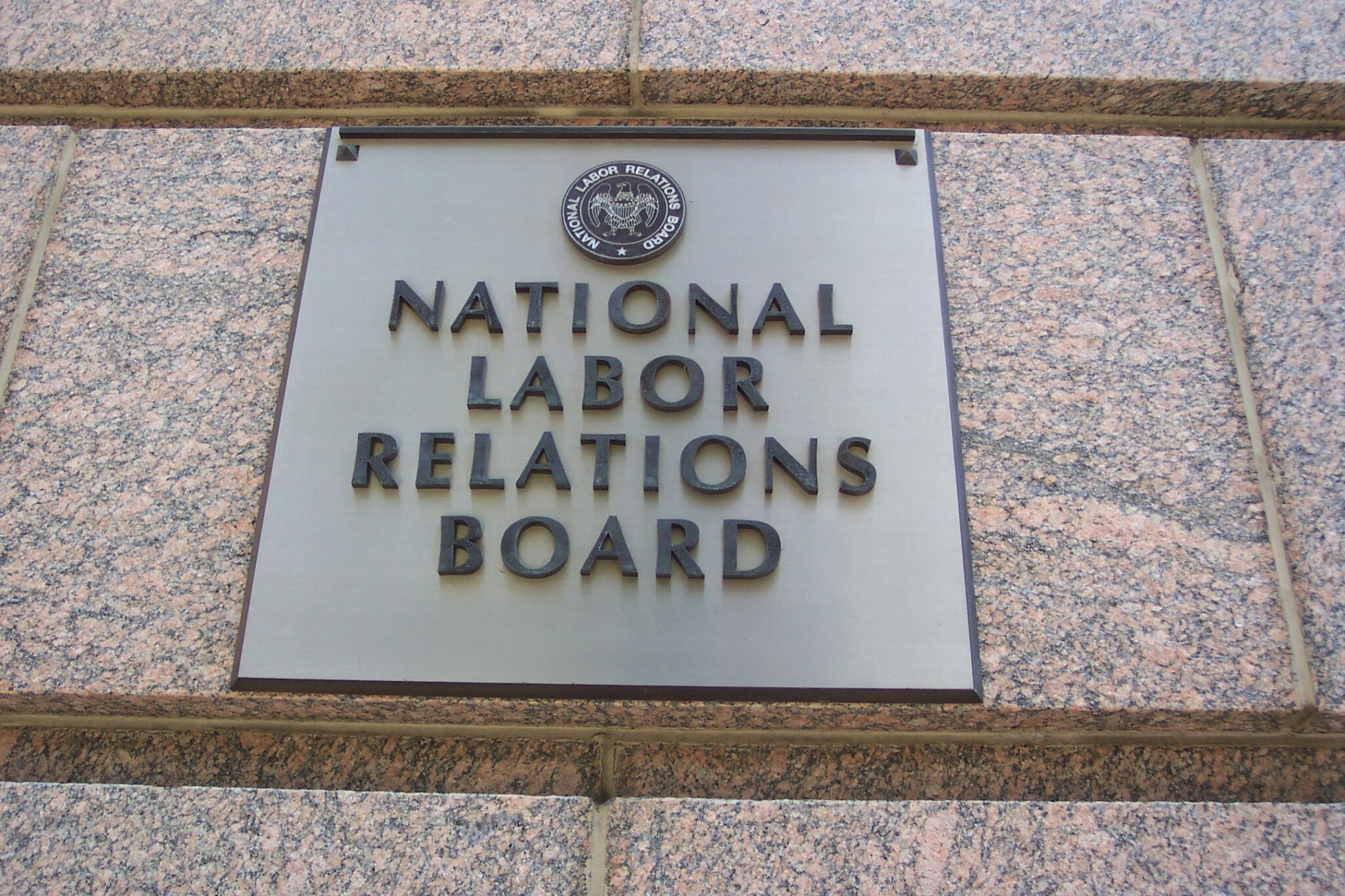
Bloomberg Law reported on Monday that the so-called Department of Government Efficiency staffers who have been assigned to inspect the National Labor Relations Board have been involved in the Trump administration’s efforts earlier this year to dismantle other federal agencies (such as the National Endowment for the Humanities), a potential harbinger of changes to come at the NLRB. DOGE members Nate Cavanaugh and Justin Fox, now assigned to the NLRB, have been accused in court of wielding unlawful authority over the United States Institute of Peace, for example. As Mila covered last week, DOGE has already been accused of improperly accessing confidential data at the NLRB.
Meanwhile, Trump’s attacks on the federal workforce are alarming unionized federal employees—including many who voted for Trump. The New York Times reported on Sunday that Trump’s aggressive moves to fire federal employees and strip their unions of rights have alarmed union members in places like Oakdale, Louisiana, leading to “buyer’s remorse” and disputes over what messaging the unions should employ in response. Union leaders seek to use the opportunity to organize their existing members more strongly.
Utah governor Spencer Cox signed a bill banning all collective bargaining for state employees in February—but after a public backlash, Cox now says he “didn’t like the bill.” As Mila covered last week, unions have gathered over 300,000 signatures—the most ever collected in Utah history—to place a referendum on the ballot to restore public-sector collective bargaining for teachers, firefighters, and other public employees. Cox called the signature tally “very impressive,” remarking: “It’s called organized labor for a reason. They’re actually organized.”




Daily News & Commentary
Start your day with our roundup of the latest labor developments. See all
October 25
Dallas Cowboys Cheerleaders unionize; Bureau of Prisons again pushes for union contract cancellation; CSU faculty votes on strike authorization.
October 23
Employers increasingly shift health care costs onto workers and NYC proposes placing restrictions on fully automated customer service.
October 22
SCOTUS declines Wilcox appeal; Penn State research assistants win bargaining rights; SEIU sued over military leave firing.
October 21
DOL withdraws tipped-worker rule; Instacart settles hiring-bias claims; Phillips 66 locks out New Jersey refinery workers.
October 20
Korean unions oppose labor exemption bill; Portland city workers prepare for strike; UPenn grad student union looks to dismiss university filing
October 19
FDA reverses course on policy prohibiting off-duty union activity; FAA and NATCA reach deal to secure pay increase for air traffic controllers.