
Morgan Sperry is a student at Harvard Law School and also serves as OnLabor's Social Media Director.
In today’s news and commentary, Cambridge coffeeshop Darwin’s Ltd. re-opens as a worker-owned collaborative, and the Supreme Court grants cert in another forced arbitration case.
After closing last year in response to its employees’ attempted unionization, Darwin’s Ltd.—located in OnLabor’s hometown of Cambridge, MA—has re-opened as a worker-owned collaborative. On September 12, approximately nine months after Darwin’s shut down mid-union negotiations, four former Darwin’s employees launched the Circus Cooperative Cafe at Darwin’s former Putnam Ave location. The employee-owned cooperative welcomes hires to become “worker-owners” after six months of employment, and is committed to extending to its workers a say in business decisions and a share of profits.
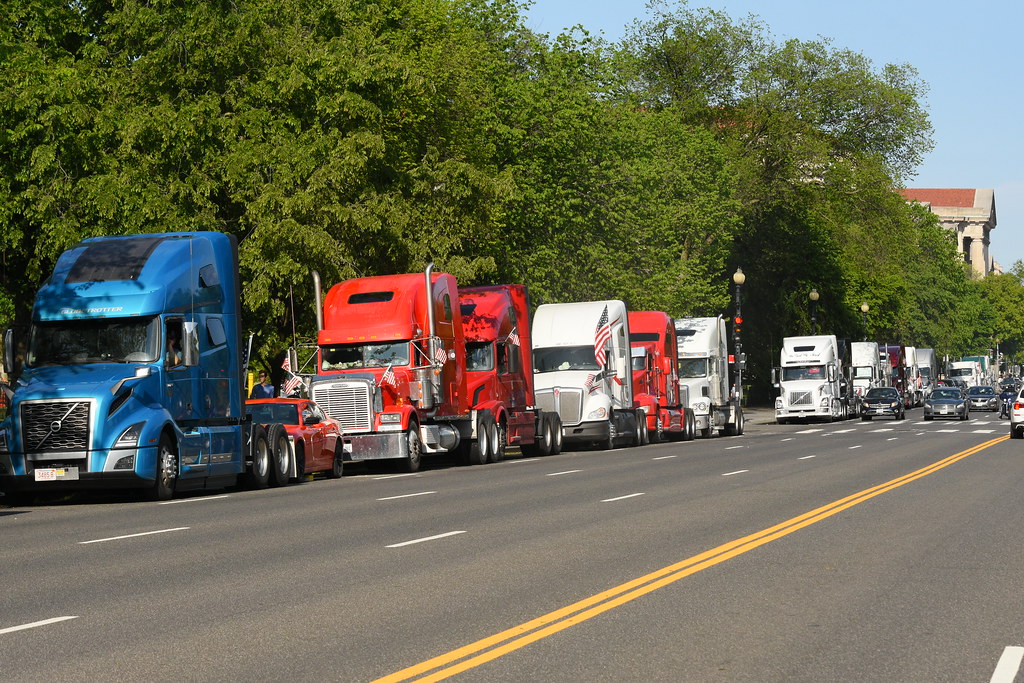
The Supreme Court has granted cert in yet another forced arbitration case. Last week, the Court announced that it would hear oral arguments in Bissonnette v. LePage Bakeries Park St. LLC, the third case in four years to consider the scope of the Federal Arbitration Act’s exception for transportation workers. In 2019, the Supreme Court held in New Prime Inc. v. Oliveira that independent contractors can qualify for the transportation worker exemption (meaning that they can not be compelled into forced arbitration). Then, in 2022, the Court in Southwest Airlines Co. v. Saxon extended the exemption to airplane cargo loaders. Now, in Bissonnette, the Court will consider whether a transportation worker must work for a company in the transportation industry in order to be exempt from the FAA. Opponents of forced arbitration are advocating for a more expansive holding, wherein even transportation workers affiliated with private fleets can qualify for the exemption.




Daily News & Commentary
Start your day with our roundup of the latest labor developments. See all
October 12
Workers at the Obama Foundation begin organizing; MLB submits its latest collective bargaining agreement proposal; Brigham & Women's nurses postpone strike.
October 11
UAW President Shawn Fain succeeds in his reelection bid, and Spanish unions call for a general strike.
October 9
DHS proposes a $100k fee for the foreign grad employment program; Trump suspends tech company access to green card program; and private equity perpetuates poor working conditions for home care workers.
October 8
NLRB judge finds UPS unlawfully restricted union insignia; Harvard graduate workers authorize second strike; OSHA orders Union Pacific to pay $300,000 in damages in whistleblower case.
October 7
DOL scraps plan to remove decades-old wage-and-hour guidance from federal regulations; New York enacts personnel records access law; Starbucks loses bid to dismiss Workers United trademark suit.
October 6
Protect College Sports Act dampens athlete unionization outlook; Stanford RA union decides to withdraw petition