Mila Rostain is a student at Harvard Law School and the Digital Director of OnLabor.
In today’s News and Commentary, Sweden’s Tesla strike enters its third year, and Seattle rideshare drivers protest Waymo’s expansion in the city.
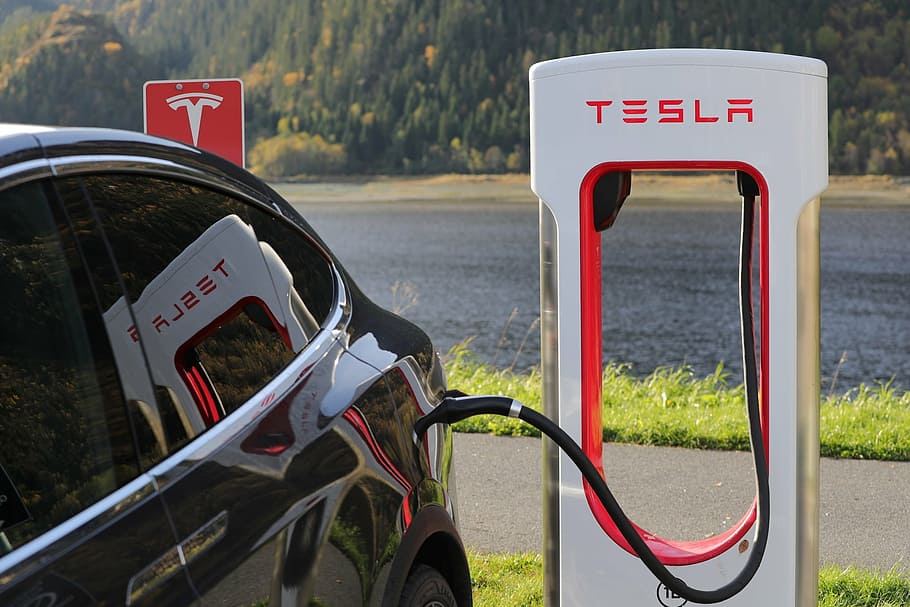
This week marks two years that mechanics at a Tesla service center in Sweden have been on strike. According to the BBC, Tesla has refused to recognize the Swedish workers’ right to organize due to Elon Musk’s critical views of unions. This is the longest strike in modern Swedish history. The workers striking sought jobs at Tesla because they “believed in the idea and the vision” of the company. For many, the work was “not only a job.” But since starting, workers have noticed worsening working conditions, including years without raises for workers. When workers complained of conditions, managers suggested they could find work elsewhere. In Sweden, almost 90% of workers are covered by collective bargaining agreements. But strikes are highly unusual because those collective bargaining agreements all include no strike clauses. The Swedish model excludes the need for politicians and legislation, which both businesses and unions in Sweden support. Tesla’s response has been highly unusual for Swedish workers. When workers announced their intent to form a union with IF Metal, Tesla would not respond. The union took the next step of announcing they would strike, which for unions in Sweden is usually a sufficient threat to gain recognition. But Tesla refused, and workers have been striking since. Also unusual is Tesla’s response to the strike—the company has publicly replaced striking workers, which is atypical for businesses working in Sweden.
On Wednesday, labor groups and rideshare drivers with the Washington Drivers Union protested against Waymo’s planned expansion in Seattle. After three years of testing in Bellevue, Waymo has been operating for the past two months in Seattle with human drivers as backups but intends, after more safety testing and permitting, to be able to have the technology deployed without humans. According to one driver, Papa Diawara, Waymo is “trying to take our job away.” In addition to concerns over job displacements, advocates noted public safety concerns with the technology. There is currently legislation proposed in Washington that would make Waymo and other autonomous vehicle companies as liable as a human driver would be in the event of an accident.



Daily News & Commentary
Start your day with our roundup of the latest labor developments. See all
October 12
Workers at the Obama Foundation begin organizing; MLB submits its latest collective bargaining agreement proposal; Brigham & Women's nurses postpone strike.
October 11
UAW President Shawn Fain succeeds in his reelection bid, and Spanish unions call for a general strike.
October 9
DHS proposes a $100k fee for the foreign grad employment program; Trump suspends tech company access to green card program; and private equity perpetuates poor working conditions for home care workers.
October 8
NLRB judge finds UPS unlawfully restricted union insignia; Harvard graduate workers authorize second strike; OSHA orders Union Pacific to pay $300,000 in damages in whistleblower case.
October 7
DOL scraps plan to remove decades-old wage-and-hour guidance from federal regulations; New York enacts personnel records access law; Starbucks loses bid to dismiss Workers United trademark suit.
October 6
Protect College Sports Act dampens athlete unionization outlook; Stanford RA union decides to withdraw petition