Ajayan Williamson is a student at Harvard Law School.
In today’s news and commentary, the MSPB issues its first precedential ruling since regaining a quorum; Amazon workers lead strikes and demonstrations in multiple countries; and Starbucks workers expand their indefinite strike to additional locations.
Last week, the Merit Systems Protection Board (MSPB) released its first precedential decision in eight months. The MSPB had been without a quorum since the Supreme Court allowed President Trump to fire Cathy Harris in May, but it regained the quorum after the Senate confirmed one of President Trump’s nominees during the government shutdown last month. In this decision, the Board found that an IRS employee was not entitled to receive a “Kalkines warning” — an order by a manager to answer questions with the promise that answers will not be used in a future prosecution. The employee lacked a reasonable belief that the questioning could implicate criminal liability, so warnings were not required. Narrowly, this ruling may make it harder for federal employees to protect themselves from self-incrimination to their managers. More broadly, the return of the MSPB may practically moot some of the preemption arguments Ben wrote about earlier this year.
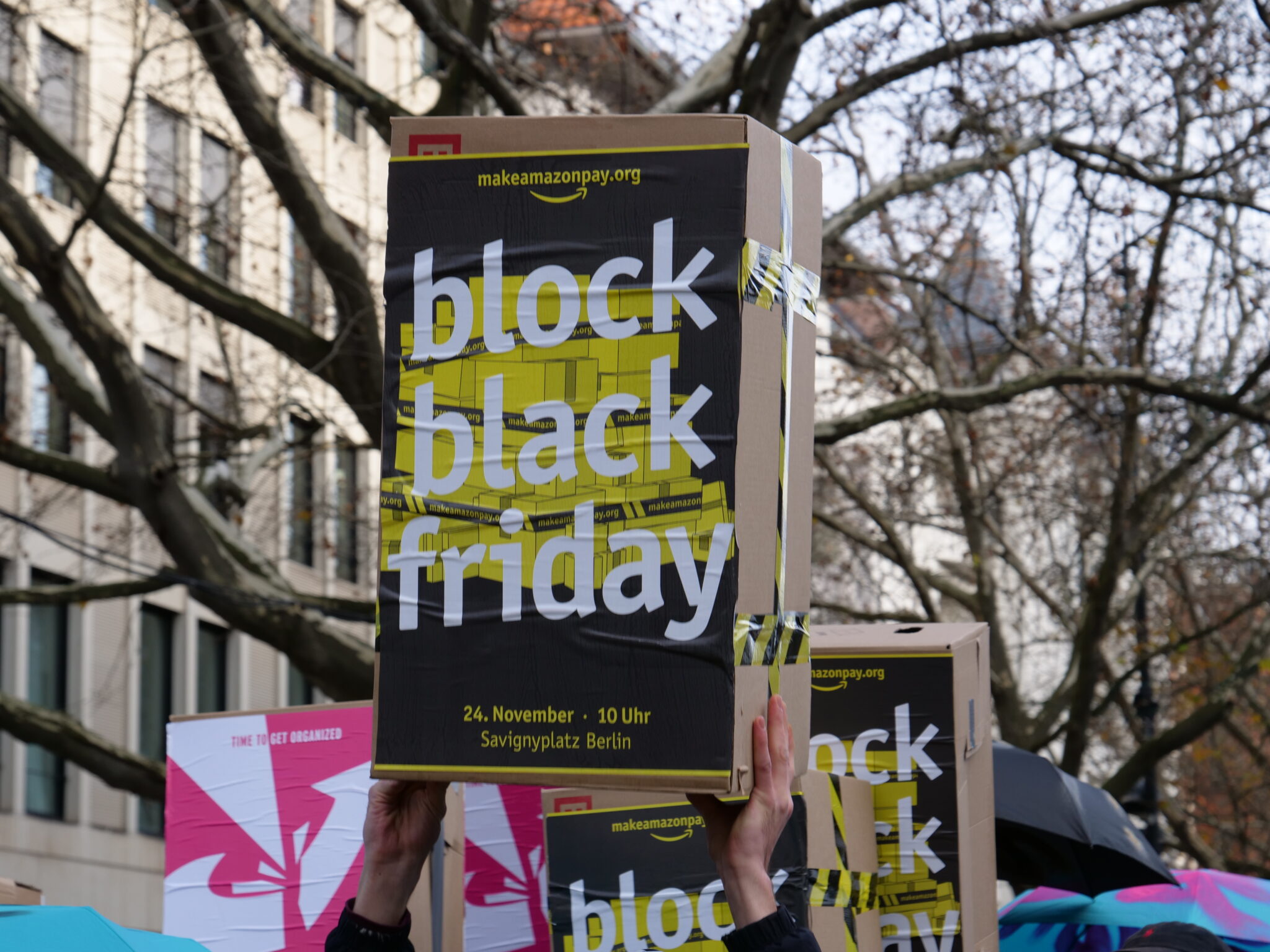
On Friday, Amazon workers in multiple countries led strikes and protests as part of the “Make Amazon Pay” campaign. The campaign is organized by a coalition of unions and advocacy groups, and this year marks their sixth annual demonstration on Black Friday. Business Insider reports that workers in over 30 countries participated this year, including the United States, India, Germany, Colombia, and South Africa. Organizers emphasized Amazon’s role in what they described as a “techno-authoritarian future,” with U.S. organizers highlighting Amazon’s ties to the Trump administration and ICE. Elsewhere, workers had other demands: In Germany, striking workers pushed for a collective bargaining agreement, while workers in India sought fair wages and protections from extreme heat.
Friday also saw an expansion of the ongoing Starbucks strike. Workers voted to authorize an open-ended strike on November 13th, demanding higher wages, better hours, and the resolution of outstanding unfair labor practice charges. On November 20th, the strike expanded to 25 additional cities; it expanded again on Friday to more stores across the country, including locations in New York, Maryland, Utah, and Wisconsin. Starbucks Workers United says this is the longest ULP strike in Starbucks history. The company, however, continues to characterize the strike as minimally disruptive, noting that the vast majority of Starbucks stores remain open.





Daily News & Commentary
Start your day with our roundup of the latest labor developments. See all
October 21
DOL withdraws tipped-worker rule; Instacart settles hiring-bias claims; Phillips 66 locks out New Jersey refinery workers.
October 20
Korean unions oppose labor exemption bill; Portland city workers prepare for strike; UPenn grad student union looks to dismiss university filing
October 19
FDA reverses course on policy prohibiting off-duty union activity; FAA and NATCA reach deal to secure pay increase for air traffic controllers.
October 18
Federal judge again halts cancellation of the Bureau of Prisons’ CBA; tabletop gaming workers face roadblocks in union recognition.
October 16
Department of Labor reduces wage-and-hour enforcement at unionized workplaces; Fain's victory poses question of federal monitor's extension.
October 15
New reporting examines the rollback of child labor protections; California tries to block a strike; NLRB charges Wisconsin mental health provider with firing workers during union drive.