
Anjali Katta is a student at Harvard Law School.
In today’s news and commentary, a proposed federal labor law overhaul, SCOTUS declines to undo a $22 million FLSA verdict, and a railroad worker’s ADA claim goes to jury trial.
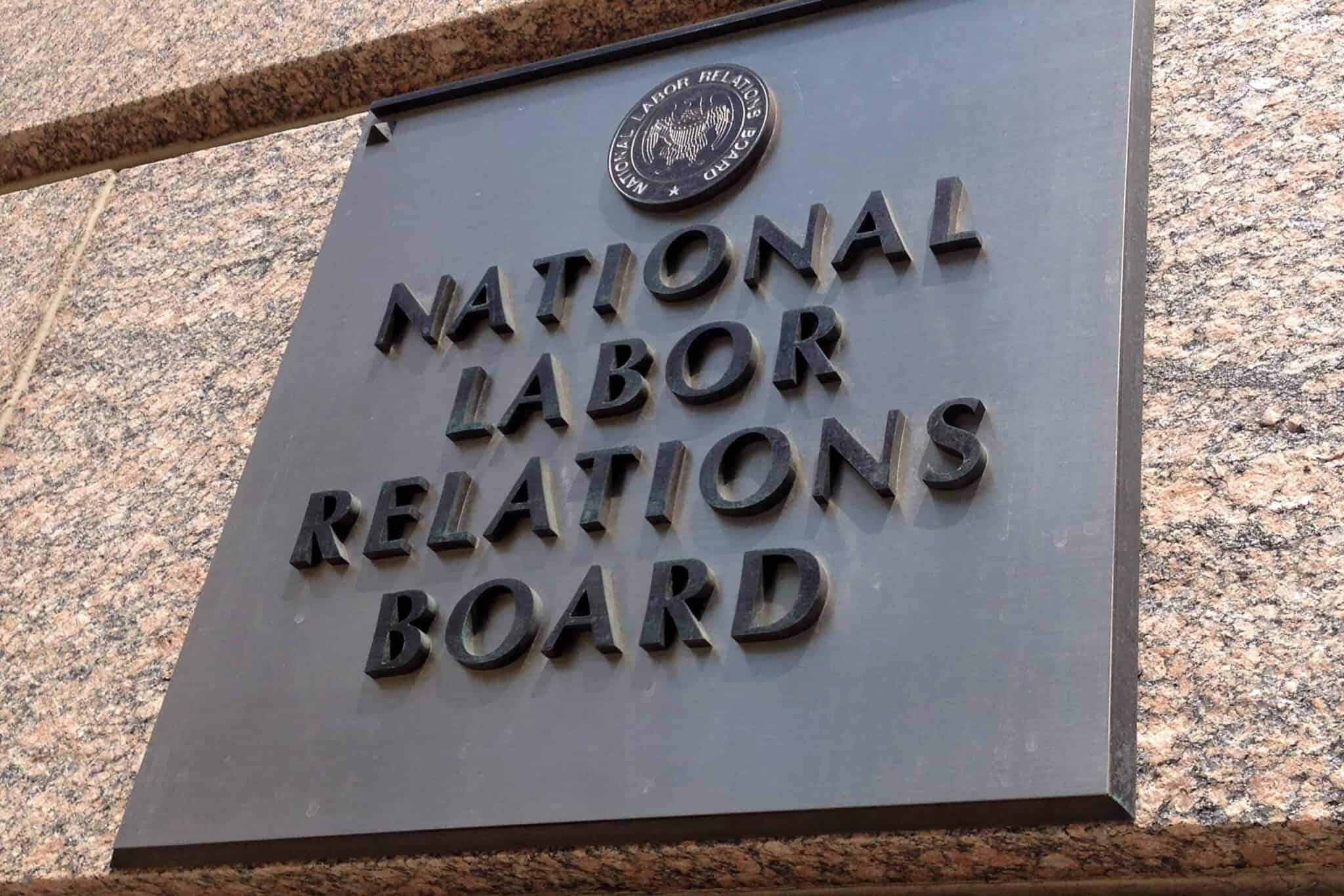
Republican senator Bill Cassidy introduced a broad package of labor reform bills that would overhaul US labor law for the first time in decades. The proposals mainly target the NLRB, union elections, decertifications, and unfair labor practices. Measures include the NLRB Stability Act, which would bind the board to court precedent to curb changes in Board policy during changes in administration, as well as the Workers RESULTS Act, which would redefine bargaining representative to include only representatives selected by a majority in secret ballot elections run by the Board (i.e., not chosen through majority sign up procedures) and in which the “majority” is redefined as “the majority of voters in a secret ballot election in which not less than two-thirds of all employees in the unit vote.” Other bills included policies such as requiring evidence when filing unfair labor practices, disclosing union political spending, and classifying hiring undocumented workers as an unfair labor practice. Major unions, such as the Teamsters, have criticized the effort and have encouraged for focus on alternatives like the bipartisan Faster Labor Contracts Act, which promotes arbitration to decrease the time it takes to reach a collective bargaining agreement.
The Supreme Court declined to hear East Penn Manufacturing’s appeal over how to calculate compensable time for pre- and post-shift tasks under the Fair Labor Standards Act (FLSA), leaving a $22 million dollar verdict intact. The enforcement action against East Penn was filed by the DOL for the company’s non-payment for time spent donning uniforms to work in a hazardous lead-acid battery factory and time spent showering and changing out of the uniform after their shift had concluded. The company argued that the Court should resolve what they describe as a circuit split between the appellate courts and revisit 1956 precedent that stated time spent donning and doffing protective work gear is compensable under FLSA.
A federal judge ruled that a jury must decide whether Union Pacific Railroad violated the Americans with Disabilities Act (ADA) by removing track worker Phil Silos from his job due to hip problems. Union Pacific argued that restrictions Silos’ work related physical activities were justified to prevent falls but the US District Court for the District of Nebraska found no evidence that Silos was unable to perform essential tasks. However, the Court said questions remain about whether Silos was a qualified individual with a disability and if he posed a direct threat to safety that must be answered by a jury. In addition, Silos’ failure-to-accommodate claim was dismissed because he never requested a specific accommodation.





Daily News & Commentary
Start your day with our roundup of the latest labor developments. See all
October 12
Workers at the Obama Foundation begin organizing; MLB submits its latest collective bargaining agreement proposal; Brigham & Women's nurses postpone strike.
October 11
UAW President Shawn Fain succeeds in his reelection bid, and Spanish unions call for a general strike.
October 9
DHS proposes a $100k fee for the foreign grad employment program; Trump suspends tech company access to green card program; and private equity perpetuates poor working conditions for home care workers.
October 8
NLRB judge finds UPS unlawfully restricted union insignia; Harvard graduate workers authorize second strike; OSHA orders Union Pacific to pay $300,000 in damages in whistleblower case.
October 7
DOL scraps plan to remove decades-old wage-and-hour guidance from federal regulations; New York enacts personnel records access law; Starbucks loses bid to dismiss Workers United trademark suit.
October 6
Protect College Sports Act dampens athlete unionization outlook; Stanford RA union decides to withdraw petition