
Anjali Katta is a student at Harvard Law School.
In today’s news and commentary, a judge extends a pause on the Trump Administration’s mass-layoffs, the Fifth Circuit refuses to enforce an NLRB order, and the Texas Supreme court extends workplace discrimination suits to co-workers.
Last week, U.S. District Judge Susan Illston extended a pause on mass federal layoffs, blocking President Donald Trump’s overhaul of federal agencies. The preliminary injunction, issued on May 22, halts the Trump administration’s executive order from February that ordered federal agencies lay off thousands of workers. Illston had previously issued a temporary restraining order on May 9, which paused the executive order and was set to expire. Her new ruling extends the pause and prevents agencies from issuing further layoffs, finalizing layoffs for those already on administrative leave, and implementing new reorganization plans. However, it does not require reinstatement of employees already laid off or placed on administrative leave. The plaintiffs—a coalition various organizations including labor unions and nonprofits—welcomed the ruling. Last Friday, the Trump administration appealed the decision.
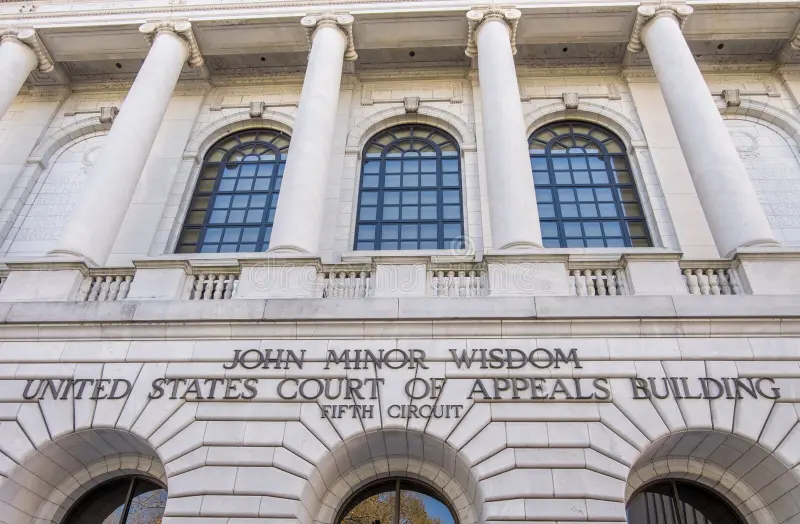
The Fifth Circuit rejected a petition to enforce a 12-year-old backpay order issued by the NLRB against AllService Plumbing and Maintenance, company in Baton Rouge, Louisiana. In a 2-1 decision, the Fifth Circuit ruled that they would not require the company to pay $100,000 to three workers it fired during a 2009 union organizing campaign because the board failed to prove that enforcement of this order would be equitable. Specifically, the Court stated it would be unfair to enforce a delayed order, that was accruing interest, when the delay was caused by “administrative oversight”. The court found that reopening the case or starting a new enforcement proceeding are both equivalently inequitable. The Board had paused enforcement of this order after the Supreme Court’s 2014 decision in Noel Canning, which held that three of the five Board members in the NLRB were improperly appointed, and did not resume enforcement until 2022.
The Texas Supreme Court ruled that employees can pursue common-law tort claims, such as defamation and fraud against coworkers, even when those claims stem from the same workplace discrimination allegations made against their employer. The decision came in a case brought by Cheryl Butler, a law professor at Southern Methodist University (SMU), who alleged SMU and several officials discriminated and retaliated against her by denying tenure. Butler’s lawsuit included claims under the Texas Commission on Human Rights Act, federal discrimination laws, and various torts. The court clarified that the law holds only employers liable for discrimination but does not shield individuals from personal liability for related tortious conduct.





Daily News & Commentary
Start your day with our roundup of the latest labor developments. See all
October 14
Eleventh Circuit overturns ERISA exhaustion rule; DHS finalizes removal of automatic renewal for work permits; AFGE challenges SSA over flexible scheduling policy.
October 13
Chicago hotel workers remain on strike; a coalition of Democratic states sues the Labor Department over canceled unemployment insurance grants; the Federal Labor Relations Authority establishes a new mediation framework for federal worker disputes.
October 12
Workers at the Obama Foundation begin organizing; MLB submits its latest collective bargaining agreement proposal; Brigham & Women's nurses postpone strike.
October 11
UAW President Shawn Fain succeeds in his reelection bid, and Spanish unions call for a general strike.
October 9
DHS proposes a $100k fee for the foreign grad employment program; Trump suspends tech company access to green card program; and private equity perpetuates poor working conditions for home care workers.
October 8
NLRB judge finds UPS unlawfully restricted union insignia; Harvard graduate workers authorize second strike; OSHA orders Union Pacific to pay $300,000 in damages in whistleblower case.