
Philippa Marks is a student at Harvard Law School.
In today’s news and commentary, the NLRB orders Amazon to bargain with workers at a facility in San Francisco and a federal judge issues an order blocking immigration agents nationwide from making arrests inside immigration courts.
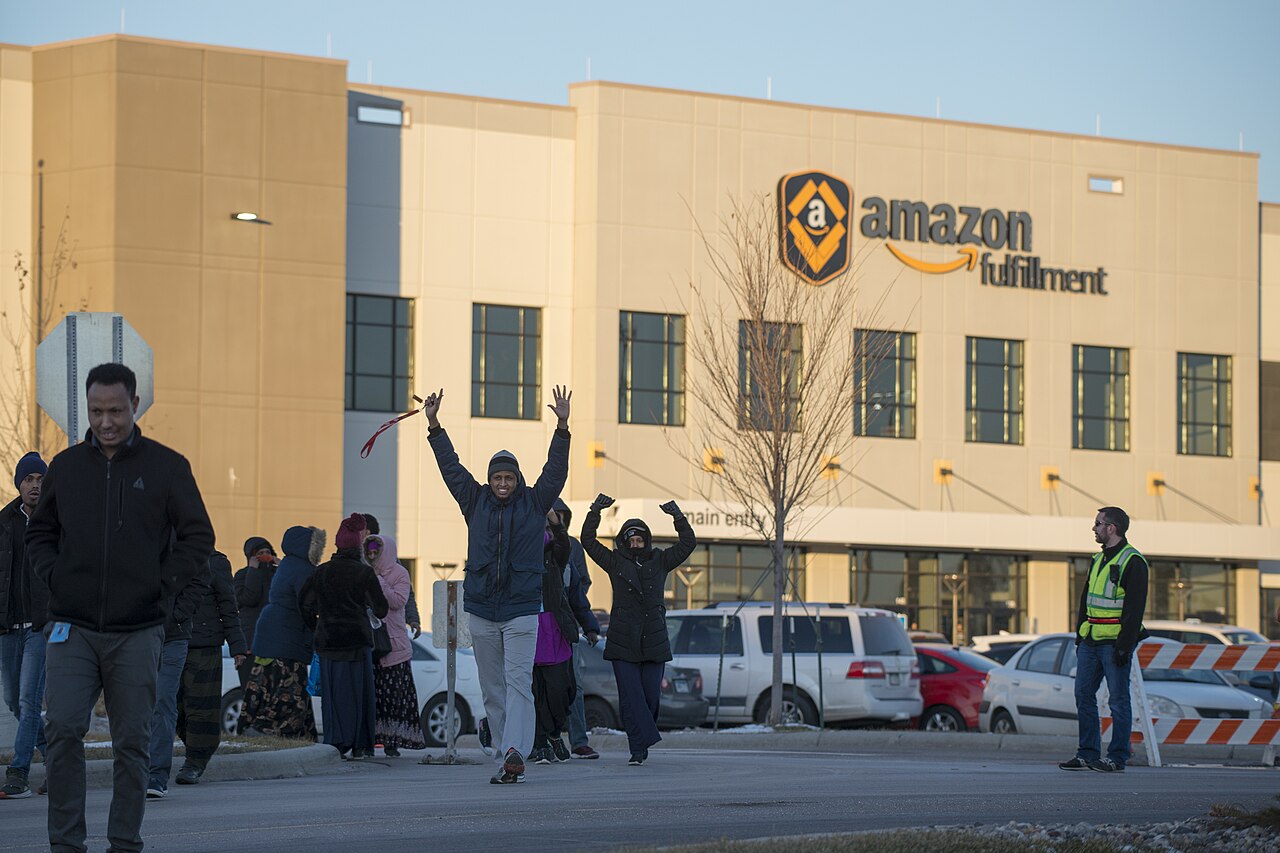
On Monday, the National Labor Relations Board (NLRB) ordered Amazon to bargain with workers represented by the Teamsters in San Francisco. The order marks the second bargaining order issued against the company in recent months – Amazon was ordered by the NLRB to recognize and bargain with the worker’s union in Staten Island in April. In the Monday ruling, the NLRB judge found that Amazon violated federal law when it refused to recognize the Teamsters union after it obtained majority support from a group of employees at the delivery center in 2024. The NLRB judge’s ruling relies on Biden-era NLRB precedent, Cemex Construction Materials Pacific LLC. Under Cemex, if a union signs up a legitimate majority of workers, the company is required to either recognize and bargain with the labor group, or ask the NLRB to hold an election testing its support. According to the NLRB on Monday, Amazon did neither. The company has denied wrongdoing, and an Amazon spokesperson, Sam Stephenson, commented, “we disagree with this administrative law judge’s decision, we’re appealing it, and we’re confident that a court will overrule it.”
Next, on Tuesday a federal judge, Judge P. Casey Pitts of the U.S. District Court for the Northern District of California issued an order that blocks ICE agents from making arrests in courthouses. Judge Pitts ruled in a class-action lawsuit that ICE’s policy allowing immigration-related arrests would chill noncitizens’ attendance at court proceedings and consequently was “arbitrary and capricious.” In contrast to an earlier ruling by a federal judge barring such arrests in immigration courts in New York City, Tuesday’s ruling prohibits such arrests anywhere in the country. Since courthouse arrests surged last year, the Department of Homeland Security has argued that the courts are more convenient and safer spaces to detain migrants.





Daily News & Commentary
Start your day with our roundup of the latest labor developments. See all
October 13
Chicago hotel workers remain on strike; a coalition of Democratic states sues the Labor Department over canceled unemployment insurance grants; the Federal Labor Relations Authority establishes a new mediation framework for federal worker disputes.
October 12
Workers at the Obama Foundation begin organizing; MLB submits its latest collective bargaining agreement proposal; Brigham & Women's nurses postpone strike.
October 11
UAW President Shawn Fain succeeds in his reelection bid, and Spanish unions call for a general strike.
October 9
DHS proposes a $100k fee for the foreign grad employment program; Trump suspends tech company access to green card program; and private equity perpetuates poor working conditions for home care workers.
October 8
NLRB judge finds UPS unlawfully restricted union insignia; Harvard graduate workers authorize second strike; OSHA orders Union Pacific to pay $300,000 in damages in whistleblower case.
October 7
DOL scraps plan to remove decades-old wage-and-hour guidance from federal regulations; New York enacts personnel records access law; Starbucks loses bid to dismiss Workers United trademark suit.