
Liana Wang is a student at Harvard Law School.
In today’s news and commentary, Colorado unions revive push for pro-organizing bill, December’s jobs report shows an economic slowdown, and the NLRB begins handing down new decisions.
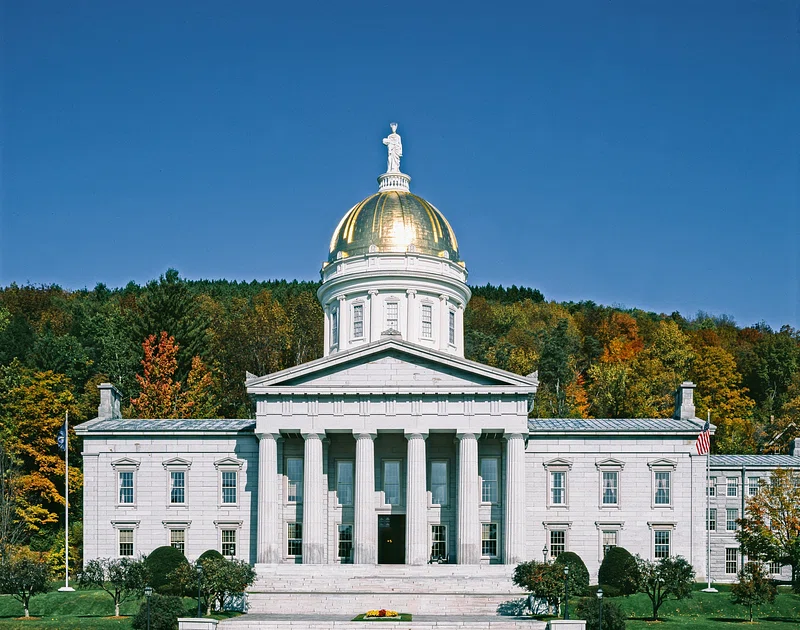
In Colorado, labor unions and their supporters are once again pushing to pass a bill, dubbed the Worker Protection Act, that would make it easier for unions to organize. Because of the state’s Labor Peace Act, Colorado unions are required to hold two elections before having full bargaining power: a simple majority vote in the first election allows workers to unionize, while a three-quarter majority of workers in the second election authorizes the union to negotiate over union security clauses. Absent the second win, unions may not mandate dues or other representation fees from all workers. Supporters argue that the second-election requirement makes it easier for businesses to intimidate and divide unionized workers. Last year, Colorado Governor Jared Polis vetoed a similar attempt to amend the Labor Peace Act, a move celebrated by businesses. Although Polis wrote that he was “open to changes,” he argued that more than a simple majority was needed to negotiate over union security.
On the national level, the Labor Department released the December jobs report on Friday. Employers added an estimated 50,000 jobs in December, and numbers from October and November were further revised downward. In 2025, the economy added just over half a million new jobs, compared to the approximately two million new job added in 2024. Over the year, the number of long-term unemployed rose by 397,000 people. Economists have attributed the relative stagnation to the administration’s trade and immigration policies, as well as increased business investment in artificial intelligence. The end-of-year report comes as new data also shows the impact of the Trump administration’s cuts to the federal workforce, which eliminated over 220,000 workers, with disproportionate cuts at some agencies reshaping the key functions of the federal government.
Lastly, the NLRB has resumed handing down rulings after formally regaining its quorum. The first set of decisions were relatively quotidian, unpublished decisions which affirm ALJ rulings on unfair labor practices by multiple employers, which were not challenged by the charged parties or the general counsel’s office.



Daily News & Commentary
Start your day with our roundup of the latest labor developments. See all
March 20
Appeal to 9th Cir. over law allowing suit for impersonating union reps; Mass. judge denies motion to arbitrate drivers' claims; furloughed workers return to factory building MBTA trains.
March 19
WNBA and WNBPA reach verbal tentative agreement, United Teachers Los Angeles announce April 14 strike date, and the California Gig Workers Union file complaint against Waymo.
March 18
Meatpacking workers go on strike; SCOTUS grants cert on TPS cases; updates on litigation over DOL in-house agency adjudication
March 17
West Virginia passes a bill for gig drivers, the Tenth Circuit rejects an engineer's claims of race and age bias, and a discussion on the spread of judicial curtailment of NLRB authority.
March 16
Starbucks' union negotiations are resurrected; jobs data is released.
March 15
A U.S. District Court issues a preliminary injunction against the Department of Veterans Affairs for terminating its collective bargaining agreement, and SEIU files a lawsuit against DHS for effectively terminating immigrant workers at Boston Logan International Airport.