
Anjali Katta is a student at Harvard Law School.
In today’s news and commentary, Bloomberg reports on a drop in unionization, Starbucks challenges an NLRB ruling, and a federal judge blocks DHS termination of protections for Haitian migrants.
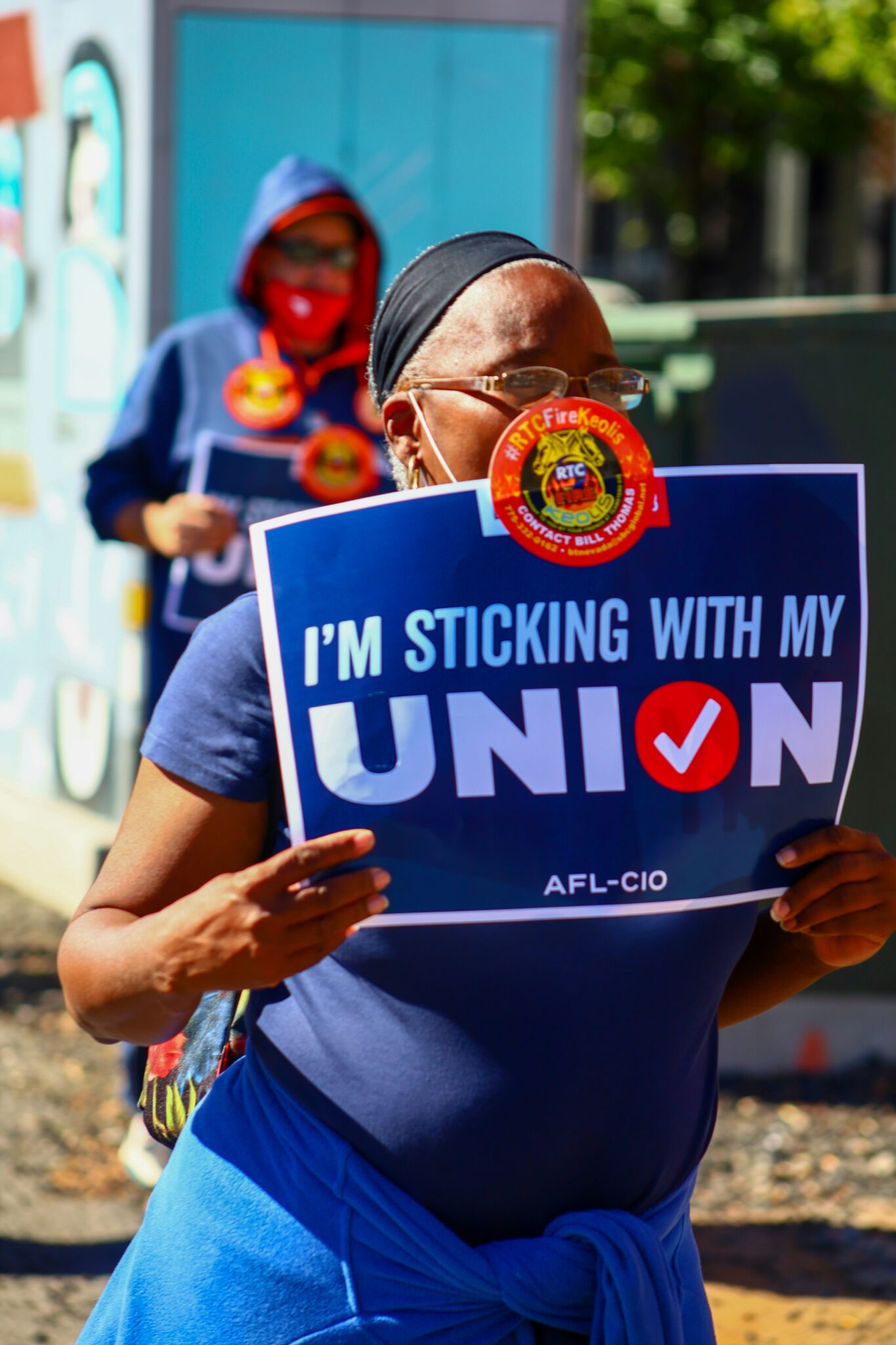
Volatile economic conditions and a shifting political climate drove new union membership sharply lower in 2025, according to a Bloomberg Law report analyzing trends in labor data. Union elections fell to 1,372, down from 1,938 in 2024 and the lowest total since 2021, while union win rates dropped nearly 27%, the first decline since 2020. As a result, the number of workers newly organized through National Labor Relations Board elections fell almost 40% to about 65,500. After a post-pandemic surge, organized labor now faces mounting difficulties, including a cooling job market, heightened economic uncertainty, and a more management-friendly federal environment. Attorneys and academics said these pressures may discourage workers from pursuing collective action as they prioritize job stability. Political divisions, tariff policies, and turmoil at the NLRB, including quorum issues and budget constraints, likely also weighed on organizing, though some observers said restored board functionality could modestly improve prospects in 2026.
A federal appeals court appeared divided during oral arguments over Starbucks’s challenge to an NLRB ruling that the company illegally fired a worker for union activity. A Fifth Circuit judge suggested Starbucks faced an uphill battle in asking the panel to revisit extensive evidence already reviewed by an administrative law judge and the NLRB, noting the record was replete with memos, testimony, and disputed conduct. By contrast, another judge questioned whether the board had adequately addressed evidence cited by Starbucks, echoing arguments from the company’s counsel that favorable material was ignored. The case is one of six NLRB decisions Starbucks brought in the Fifth Circuit. The NLRB ruled in 2024 that Starbucks unlawfully fired a shift supervisor involved in organizing a New York store, relying on prior incidents as pretext.
A federal judge temporarily blocked the Trump administration from ending deportation protections for more than 350,000 Haitian immigrants just hours before they were set to expire. The court ruled that plaintiffs are likely to succeed in their claim that DHS’s decision to terminate Temporary Protected Status (TPS) for Haiti was arbitrary and capricious under the Administrative Procedure Act. The order preserves TPS holders’ lawful status and work authorization while litigation continues.


Daily News & Commentary
Start your day with our roundup of the latest labor developments. See all
April 12
The Office of Personnel Management seeks the medical records of millions of federal workers, and ProPublica journalists engage in a one-day strike.
April 10
Maryland passes a state ban on captive audience meetings and Elon Musk’s AI company sues to block Colorado's algorithmic bias law.
April 9
California labor backs state antitrust reform; USMCA Panel finds labor rights violations in Mexican Mine, and UPS agrees to cap driver buyout offers in settlement with Teamsters.
April 8
The Writers Guild of America reaches a tentative deal with the Alliance of Motion Picture and Television Producers; the EEOC recovers almost $660 million in compensation for employment discrimination in 2025; and highly-skilled foreign workers consider leaving the United States in light of changes to the H-1B visa program.
April 7
WGA reaches deal with studios; meatpacking strike brings employer back to table; union leaders take on AI.
April 6
Trump to shrink but not eliminate CFPB, 9th Circuit nixes use of issue preclusion to invalidate arbitration agreements.