
Anjali Katta is a student at Harvard Law School.
In today’s news and commentary, an air traffic union examines the impact of federal aviation worker firings, Southwest Airlines lays off 15% of its corporate workforce, and the NLRB’s General Counsel withdraws Biden-era memos
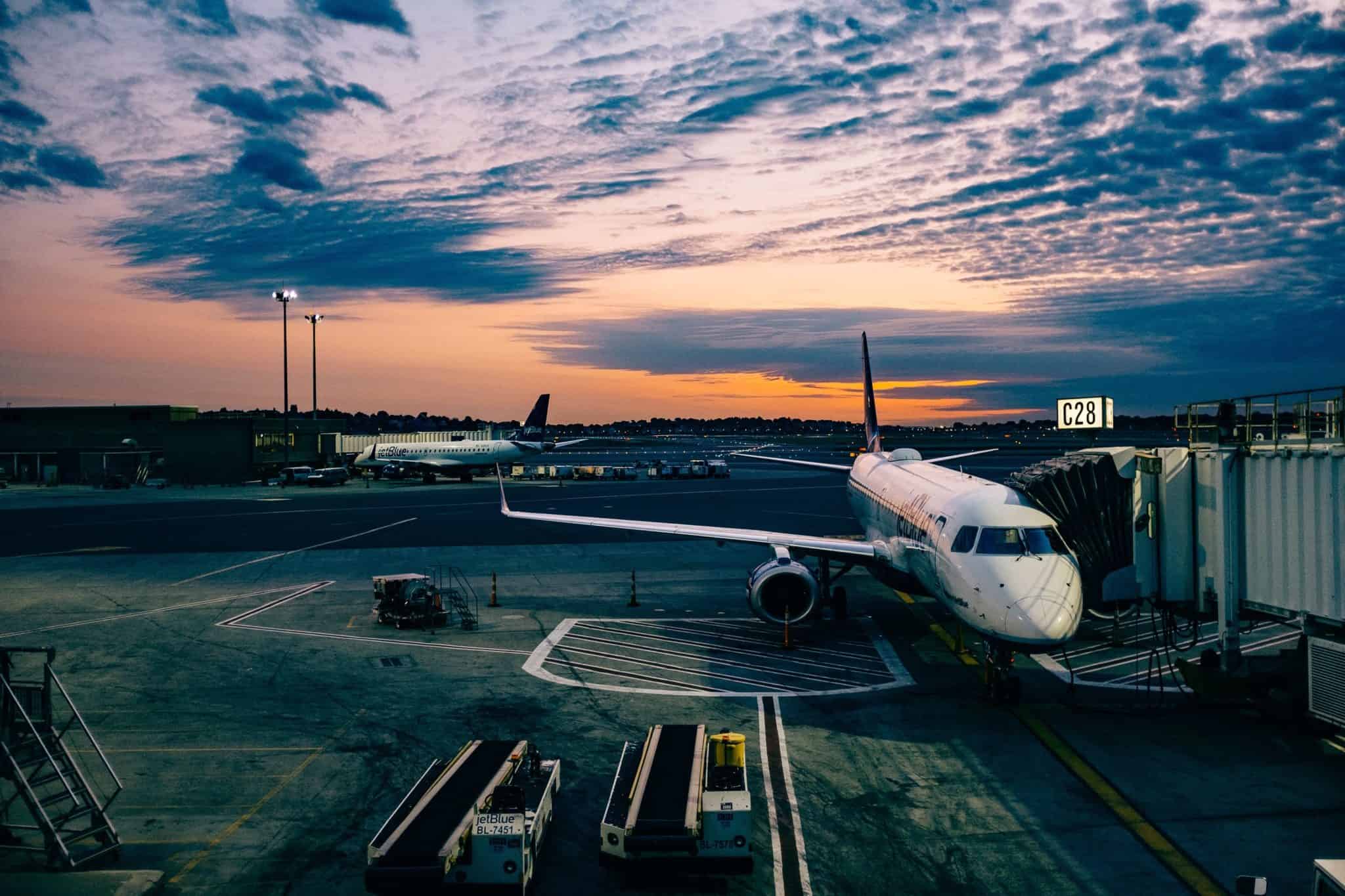
Following the Trump Administration’s dismissal of hundreds of Federal Aviation Administration (FAA) employees, the National Air Traffic Controllers Association (NATCA), a union that represents air safety workers, announced plans to assess how these terminations will affect aviation safety and working conditions for its members. Although NATCA reports that its members were not affected by these recent firings, the terminations follow several high-profile crashes, including one that resulted in the deaths of 67 people, and raises concerns about safety for both passengers and air-traffic workers. Meanwhile, Transportation Secretary Sean Duffy announced on social media that members of Elon Musk’s SpaceX team are visiting the Air Traffic Control Center in Virginia to begin plans to ‘modernize’ the nation’s air-traffic control system. Since Musk’s company, SpaceX, is currently regulated by the FAA, there are growing concerns about conflicts of interest.
In other aviation news, Southwest Airlines announced that it will cut 15% of its corporate workforce. For the first time in its 53-year history, Southwest will lay off about 1,750 directors, senior managers, and members of leadership. However, these employees only account for about 2.5% of Southwest’s total workforce. Indeed, unions representing other Southwest workers do not expect the company to make any cuts to the unionized labor force. This news arrives during speculation about Southwest’s plans to merge or acquire another airline.
The NLRB’s Acting General Counsel, William Cowen, withdrew over two dozen memos that had been drafted under the previous administration’s General Counsel, Jennifer Abruzzo. These memos provide non-binding guidance for instructing and informing field staff about the General Counsel’s legal and policy priorities. The memos also provide guidance to employers, unions, and workers about how the general counsel will likely resolve controversial issues related to the NLRA. The withdrawn memos include directives arguing that student-athletes should have organizing rights and that noncompete agreements violate federal labor law. In addition, Cowen has also withdrawn a memo on how regional offices should apply the NLRB’s 2023 ruling in Cemex Construction Materials Pacific LLC, which overhauled the previous framework for dealing with unfair labor practices in the lead up to a union election. However, despite these withdrawals, as Elyse reported, the board does not currently have a quorum and consequently cannot issue any new decisions.





Daily News & Commentary
Start your day with our roundup of the latest labor developments. See all
October 15
New reporting examines the rollback of child labor protections; California tries to block a strike; NLRB charges Wisconsin mental health provider with firing workers during union drive.
October 14
Eleventh Circuit overturns ERISA exhaustion rule; DHS finalizes removal of automatic renewal for work permits; AFGE challenges SSA over flexible scheduling policy.
October 13
Chicago hotel workers remain on strike; a coalition of Democratic states sues the Labor Department over canceled unemployment insurance grants; the Federal Labor Relations Authority establishes a new mediation framework for federal worker disputes.
October 12
Workers at the Obama Foundation begin organizing; MLB submits its latest collective bargaining agreement proposal; Brigham & Women's nurses postpone strike.
October 11
UAW President Shawn Fain succeeds in his reelection bid, and Spanish unions call for a general strike.
October 9
DHS proposes a $100k fee for the foreign grad employment program; Trump suspends tech company access to green card program; and private equity perpetuates poor working conditions for home care workers.