

Miriam Li is a student at Harvard Law School and a member of the Labor and Employment Lab.
In today’s news and commentary, the San Francisco teachers’ strike ends after four days with a $183 million agreement, the EEOC releases new guidance on telework and accommodations for employees with disabilities, and the NFL must litigate discrimination and retaliation claims brought by three former coaches.
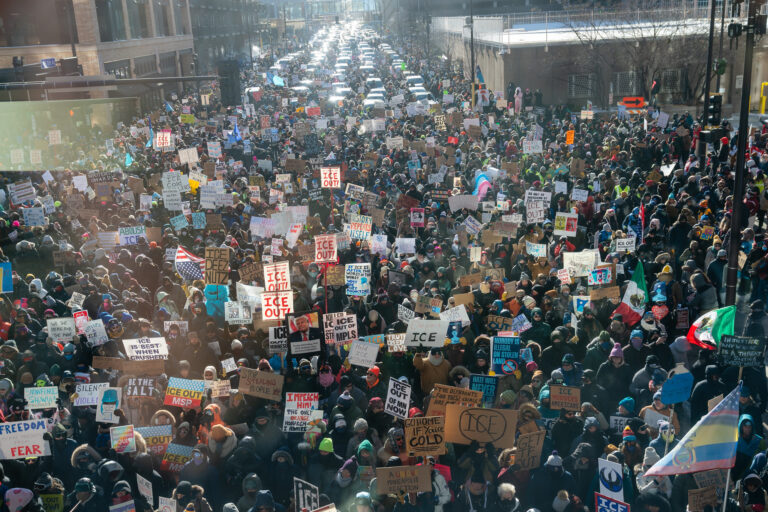
This week, San Francisco public school students are set to return to classrooms after a teachers’ strike ended with a tentative two-year deal. Following nearly a year of negotiations and a four-day walkout, San Francisco Unified and United Educators of San Francisco announced a proposed $183 million agreement. If ratified, the deal would provide fully paid family health coverage, 5% raises over two years for teachers and 8.5% for other school staff, and changes to special-education workload rules. At a press conference on Friday, Superintendent Maria Su said the agreement would help “recruit talented educators to work in San Francisco in our public schools,” but also warned that “difficult choices” remain amid ongoing budget constraints: when asked about potential layoffs, she replied, “that has always been on the table.” Union leaders, however, celebrated the agreement as a win, calling the strike a “battle for the future of public education” and describing the deal as “a foundation for a stable district.”
Meanwhile, a federal judge in Manhattan ruled that the NFL and three teams must litigate discrimination and retaliation claims brought by three former Black coaches in federal court rather than through the league’s internal arbitration process. On Friday, U.S. District Judge Valerie Caproni lifted a stay in the case, undoing a 2023 order that had sent the coaches’ claims against the Miami Dolphins, Arizona Cardinals, and Tennessee Titans to arbitration. The decision follows a Second Circuit ruling in favor of the coaches, which concluded that the arbitration provision in their contracts could not be enforced to require arbitration of these claims. Caproni rejected the NFL’s request to keep the stay in place pending a petition for Supreme Court review, noting she was bound by Second Circuit precedent “until and unless” the Supreme Court intervenes. Plaintiffs’ counsel praised the ruling for “recognizing that an arbitration forum in which the defendant’s own chief executive gets to decide the case would strip employees of their rights under the law.”
Finally, the Equal Employment Opportunity Commission and the Office of Personnel Management issued a joint FAQ titled “Frequently Asked Questions from the Federal Sector about Telework Accommodations for Disabilities.” The agencies say the guidance aims to help federal employers comply with the Rehabilitation Act while implementing President Trump’s January 20, 2025 “Return to In-Person Work” memorandum, which directed agencies to terminate remote-work arrangements subject to “necessary” exemptions. The FAQ emphasizes that agencies can reevaluate previously granted telework accommodations and “may find that regularly attending work on-site is essential to most jobs.” It also stresses that accommodations must enable employees to perform essential functions, and that agencies are not required to offer accommodations that only “mitigate symptoms” of a disability. Although the guidance warns that agencies should not take a “blanket approach,” it departs in tone from Biden-era materials that encouraged employers to consider remote work as a potential accommodation and that highlighted “flexible operational policies” as a recruitment-and-retention tool.


Daily News & Commentary
Start your day with our roundup of the latest labor developments. See all
April 2
Sheridan, Colorado educators go on strike; Maryland graduate student workers are one step closer to collective bargaining rights.
April 1
DOL proposes 401(k) rule; Starbucks investors reelect controversial board members; Washington passes workplace immigration warning requirement.
March 31
In today’s news and commentary, the Supreme Court hears a case about Federal Court jurisdiction over arbitration, a UPS heat inspection lawsuit against OSHA is dismissed, and federal worker unions and NGOs call on the EPA to cease laying off its environmental justice staffers. A majority of Supreme Court justices signaled support for allowing federal […]
March 30
Trump orders payment to TSA agents; NYC doormen look to authorize a strike; and KPMG positions for mass layoffs.
March 29
The Department of Veterans Affairs re-terminates its collective bargaining agreement despite a preliminary injunction, and the Federal Labor Relations Authority announces new rules increasing the influence of political appointees over federal labor relations.
March 27
“Cesar Chavez Day” renamed “Farmworkers Day” in California after investigation finds Chavez engaged in rampant sexual abuse.