
Ajayan Williamson is a student at Harvard Law School.
In today’s news and commentary, Teamsters sue UPS over buyout program; flight attendants and pilots call for leadership change at American Airlines; and Argentina considers major labor reforms despite forceful opposition.
On Monday, the International Brotherhood of Teamsters filed suit against UPS, alleging that the company’s buyout offer to workers violates their collective bargaining agreement. As Bloomberg Law reports, the company announced its “Driver Choice Program” as part of an effort to reduce its workforce by 30,000 jobs. The program offers a lump sum payment in exchange for resignation and the waiver of all legal claims against the company; the union says it was developed without their input. In a press release about the suit, Teamsters President Sean O’Brien stated that the program proves UPS “doesn’t care about the law, has no respect for its contract with the Teamsters, and is determined to try to screw our members out of their hard-earned money.” A UPS spokesperson stated that the program was “entirely voluntary” and “would provide a great benefit to our employees, particularly as we continue to right-size our workforce.”
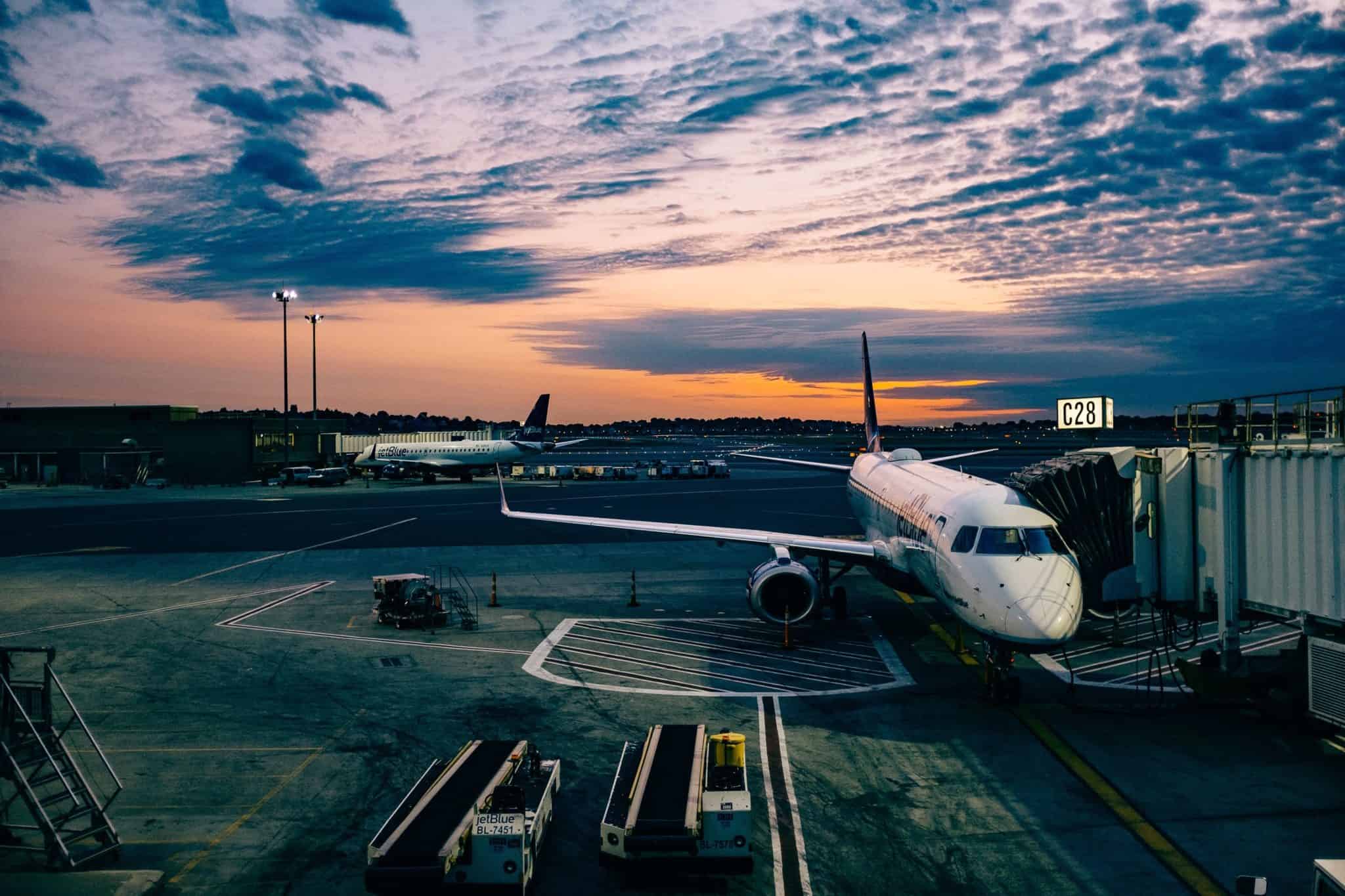
Meanwhile, American Airlines flight attendants plan to protest today outside of the airline’s headquarters in Fort Worth, Texas. The Association of Professional Flight Attendants held a vote of no confidence in the company’s CEO, Robert Isom, on Monday — in a statement, the union said that the “airline is falling dangerously behind its competitors,” which “puts our careers at risk.” This planned protest also follows action from the Allied Pilots Association, which called for a meeting with the company’s board of directors to address their concerns about Isom. Both unions have expressed concerns about profitability and competitiveness, as well as the company’s handling of last month’s winter storm.
Finally, Argentina’s Senate approved a major labor reform package this morning despite widespread protests against the measure yesterday. As Al Jazeera reports, the reforms would make it easier for businesses to fire employees, reduce severance pay, and restrict collective bargaining. Similar labor reforms have been attempted before, but none have succeeded; President Javier Milei’s government has argued that these reforms are needed to increase productivity, attract investment, and revitalize Argentina’s struggling economy. Yesterday’s demonstrations in Buenos Aires drew thousands of protestors — some reportedly threw stones and Molotov cocktails, while police deployed water cannons, rubber bullets, and tear gas. Having passed the Senate, the bill will now be considered by the lower house of the legislature, and more conflict may follow.





Daily News & Commentary
Start your day with our roundup of the latest labor developments. See all
October 15
New reporting examines the rollback of child labor protections; California tries to block a strike; NLRB charges Wisconsin mental health provider with firing workers during union drive.
October 14
Eleventh Circuit overturns ERISA exhaustion rule; DHS finalizes removal of automatic renewal for work permits; AFGE challenges SSA over flexible scheduling policy.
October 13
Chicago hotel workers remain on strike; a coalition of Democratic states sues the Labor Department over canceled unemployment insurance grants; the Federal Labor Relations Authority establishes a new mediation framework for federal worker disputes.
October 12
Workers at the Obama Foundation begin organizing; MLB submits its latest collective bargaining agreement proposal; Brigham & Women's nurses postpone strike.
October 11
UAW President Shawn Fain succeeds in his reelection bid, and Spanish unions call for a general strike.
October 9
DHS proposes a $100k fee for the foreign grad employment program; Trump suspends tech company access to green card program; and private equity perpetuates poor working conditions for home care workers.