
Yoorie Chang is the Project Manager for the Clean Slate for Worker Power Project at Harvard Law School’s Center for Labor and a Just Economy.
In response to the increased attention around human rights abuses facing low-wage workers around the globe, we have seen the emergence of myriad solutions within the social responsibility sector, including corporate social responsibility campaigns, multi-stakeholder initiatives, and transparency legislation. But among many such approaches to addressing workers’ rights violations, one program has stood out. The worker-driven social responsibility (WSR) approach, first championed by the Coalition of Immokalee Workers (CIW) in the tomato fields of Florida, has garnered acclaim for its successes in mitigating abuses within the agricultural and other low-wage production sectors. In the latest report from the Clean Slate for Worker Power project, Susan L. Marquis highlights the origins of WSR, how it’s been effective, and the promising implications of its application in sectors and industries beyond agriculture.
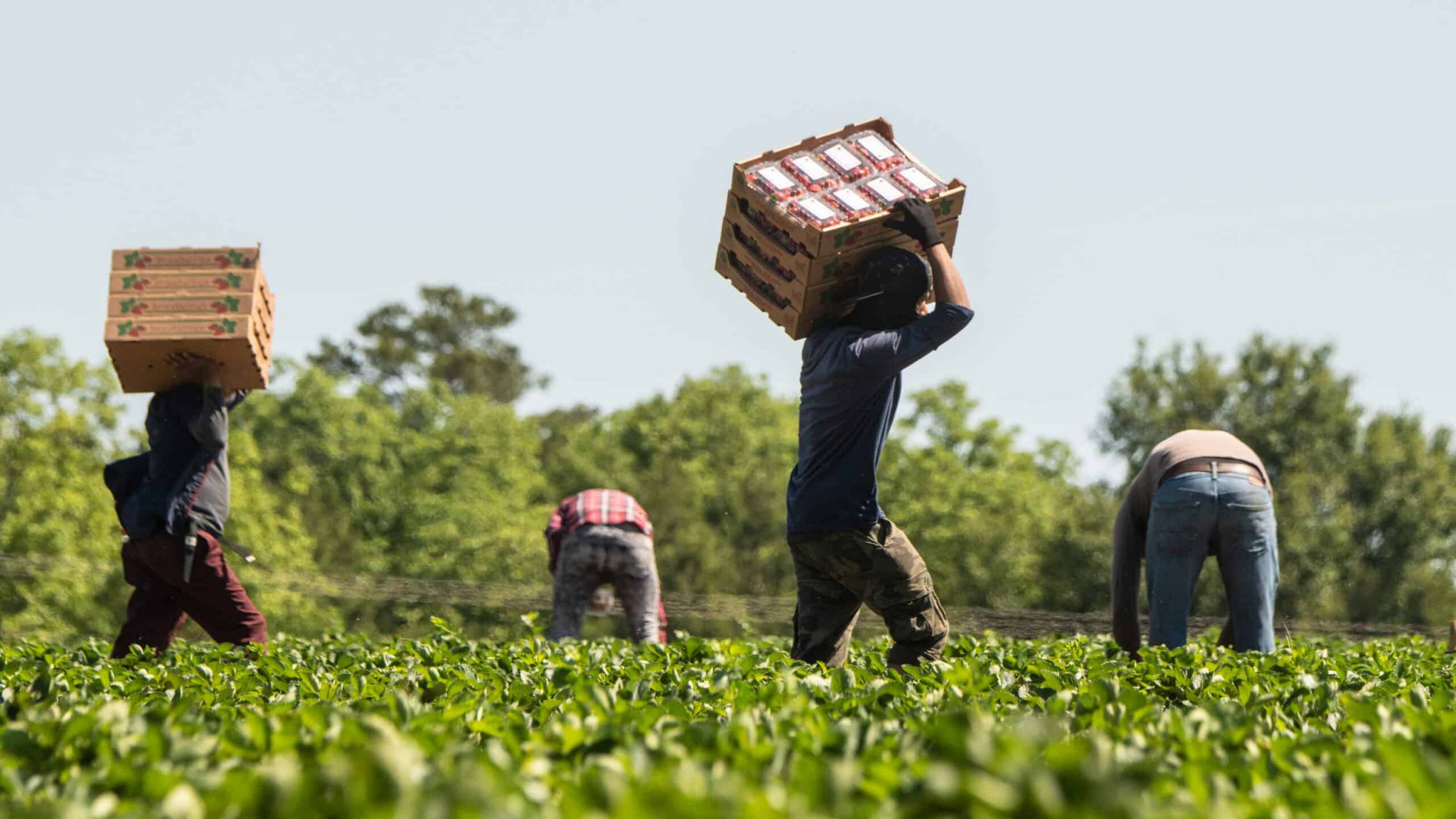
Since the 1990s, the CIW has been organizing farmworkers, building coalitions, and campaigning throughout the South to call out the harsh realities of the brutal living and working conditions as well as the systematic abuses farmworkers have been subject to at the hands of their employers. Agricultural workers – nearly half of whom do not possess legal immigration status – are not covered under the National Labor Relations Act, and the lack of regulation and enforcement in the industry have enabled widespread abuses to go unpunished. In 2011, the CIW established the Fair Food Program, a partnership between farmworkers, farmers, and corporate buyers designed to set and enforce human rights-based standards through a system of monitoring and reporting by workers, backed by significant market consequences for employers who violate the code. In a segment on farmworkers that aired earlier this spring, John Oliver spotlights the success of the CIW’s Fair Food Program in Last Week Tonight:
The Fair Food Program formed the basis of the WSR approach, which has become widely recognized among social responsibility programs for its role in transforming a sector that had once been referred to as “ground-zero for modern day slavery.” In the tomato industry, wages have increased and standards for working conditions have been set above and beyond minimums mandated by state and federal law. Today, more than a dozen corporate buyers and growers have signed legally binding agreements with the CIW farmworkers.
The WSR approach established and adopted by the Fair Food Program has demonstrated exceptional success in shifting and leveraging fundamental power dynamics between workers, employers, and the market to achieve positive worker outcomes. One of the key elements behind the effectiveness of WSR is the empowered role that workers and the CIW play in monitoring and reporting conduct on the farms. As we highlight in our Clean Slate report, robust enforcement of labor standards is critical to building worker power, though government agencies do not always have the capacity nor resources to do so. Independent systems of monitoring and enforcing labor standards– like, in addition to the Fair Food Program, the Workers Defense Project’s Better Builder Program in Texas – have demonstrated both efficiency and efficacy in making workplaces safer. Moreover, there are a number of different mechanisms, including licensing, permitting, and contracting, through which the federal government can and should further incentivize independent labor standards enforcement systems.
Our new report highlights the factors that have contributed to the success of WSR and emphasizes the promising applications this approach could have in other sectors. But we also recognize how much further there is to go to ensure safety, dignity, and respect for essential workers in industries like agriculture, in which workers have faced higher rates of infection and mortality during the COVID-19 pandemic. We still must address the fundamental shortcomings and exclusions in our labor laws that have rendered agricultural workers acutely vulnerable to wage theft and abuse, as well as inherent issues within immigrant visa programs like the H2-A Temporary Agricultural Program that have enabled fraud, coercion, and exploitation in the use of migrant labor. We consider how WSR could evolve to meet the demands of rapidly changing environments and crises as they emerge, but broader solutions that integrate labor, climate, and racial justice are necessary to protect workers who face intersecting challenges.
As Oliver remarks in his segment, “it clearly shouldn’t just be on farmworkers to fight for a decent life. We need to make sure that they’re at least protected by the same labor laws that the rest of us enjoy, and make sure those laws are actually enforced.” We call upon policymakers, worker organizations, and communities to work together to explore the breadth of possibilities and collaborative opportunities for sustainable and lasting change.
Read the Clean Slate project’s latest report, “Worker-Driven Social Responsibility: A New, Proven Model for Defining, Claiming, and Protecting Workers’ Human Rights,” here.





Daily News & Commentary
Start your day with our roundup of the latest labor developments. See all
October 23
Employers increasingly shift health care costs onto workers and NYC proposes placing restrictions on fully automated customer service.
October 22
SCOTUS declines Wilcox appeal; Penn State research assistants win bargaining rights; SEIU sued over military leave firing.
October 21
DOL withdraws tipped-worker rule; Instacart settles hiring-bias claims; Phillips 66 locks out New Jersey refinery workers.
October 20
Korean unions oppose labor exemption bill; Portland city workers prepare for strike; UPenn grad student union looks to dismiss university filing
October 19
FDA reverses course on policy prohibiting off-duty union activity; FAA and NATCA reach deal to secure pay increase for air traffic controllers.
October 18
Federal judge again halts cancellation of the Bureau of Prisons’ CBA; tabletop gaming workers face roadblocks in union recognition.