Sunah Chang is a student at Harvard Law School.
In today’s news and commentary: Kamala Harris picks Tim Walz as her running mate, a Missouri bank joins in on constitutional challenges to the NLRB, and Samsung workers on strike return to work after struggling to reach a deal.
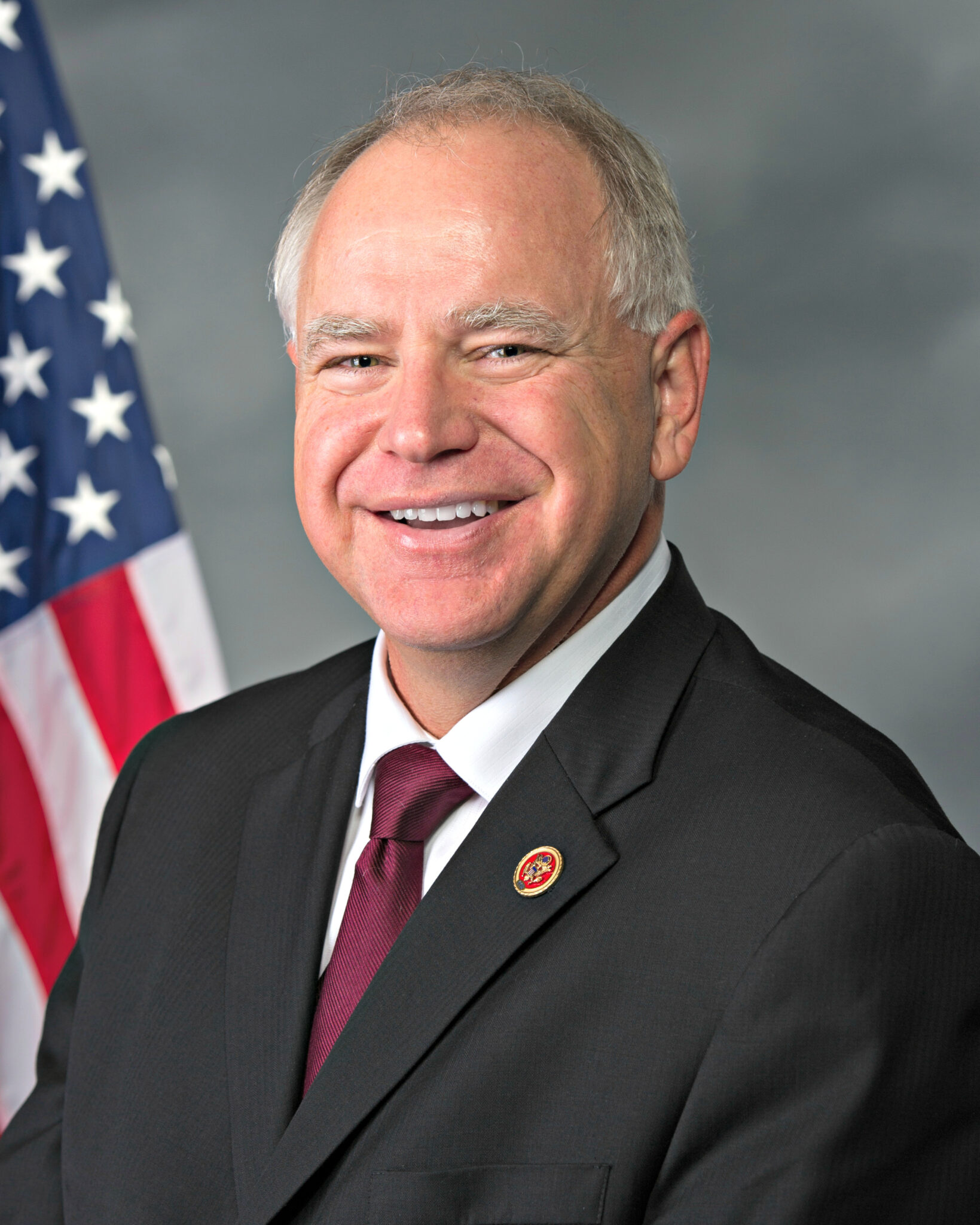
Kamala Harris has tapped Minnesota Governor Tim Walz to serve as her running mate for the 2024 presidential election, a vice presidential pick that many unions are poised to approve. In late July, over two dozen Minnesota-based labor leaders sent a letter to Vice President Harris recommending that she pick Tim Walz as her running mate. Last week, UAW President Shawn Fain expressed support for Governor Walz during an interview with CNN. This morning, the president of the National Education Association released a statement celebrating Vice President Harris’s decision to pick Governor Walz, who worked as a teacher before his political career.
Walz has shown a pro-labor stance during his tenure as Minnesota governor. Last October, he joined the picket line at a Stellantis facility in Plymouth in support of the striking auto workers. And last summer, Minnesota passed a sweeping labor bill, which mandates paid sick days, prohibits noncompete agreements, increases funding for safety inspections, among other reforms. However, as Greg reported last May, Walz has previously taken a shaky stance toward rideshare companies, vetoing a bill that would have guaranteed a minimum wage for ride-share drivers and created other protections.
FNCB Bank, a small bank based in Missouri, is the latest company to file a constitutional challenge against the NLRB. More specifically, FNCB Bank’s lawsuit, which was filed in the U.S. District Court for the Eastern District of Missouri, argues that the protections shielding NLRB members and administrative law judges from removal violate the Constitution. The lawsuit relies heavily on Jarkesy v. SEC—a Fifth Circuit decision that held that the SEC’s removal protections for administrative law judges were unconstitutional.
The lawsuit reflects an attempt by FNCB Bank to stop the NLRB’s unfair labor practice case against it. Back in May, the NLRB’s St. Louis regional director filed a complaint against the bank alleging that the bank unlawfully terminated one of its workers and maintained workplace policies that violated federal labor law. A hearing before an administrative law judge for the NLRB’s case is scheduled to commence later this month, on August 27. It remains unclear how FNCB’s federal lawsuit will impact the NLRB proceedings against the bank.
In South Korea, thousands of striking unionized workers at Samsung Electronics have returned to work after Samsung continued to refuse concessions. As Everest reported last month, the strike began in July after months of stalled negotiations, and represented the first unionized action in Samsung’s history. However, union leaders issued a back-to-work order due to the financial stress of sustaining an unpaid strike. Nonetheless, the union has announced that it will proceed with launching new labor tactics against Samsung, including guerrilla strikes and blitz walkouts. Through continued labor pressure, the union hopes to reach an agreement improving wages, bonuses, and vacation days for the workers.





Daily News & Commentary
Start your day with our roundup of the latest labor developments. See all
October 8
NLRB judge finds UPS unlawfully restricted union insignia; Harvard graduate workers authorize second strike; OSHA orders Union Pacific to pay $300,000 in damages in whistleblower case.
October 7
DOL scraps plan to remove decades-old wage-and-hour guidance from federal regulations; New York enacts personnel records access law; Starbucks loses bid to dismiss Workers United trademark suit.
October 6
Protect College Sports Act dampens athlete unionization outlook; Stanford RA union decides to withdraw petition
October 5
Delaware bans captive audience meetings; EEOC settles remote work national origin discrimination claim; First Circuit stays enforcement order in VA's dispute with AFGE.
October 4
Boston nurses announce open-ended strike; federal judge restores federal prison workers' union protections; St. Louis workers form the first movie theater union in Missouri.
October 2
Gov. Newsom signs bill regulating AI in workplace; federal judge blocks Trump's $100,000 H-1B visa fee.