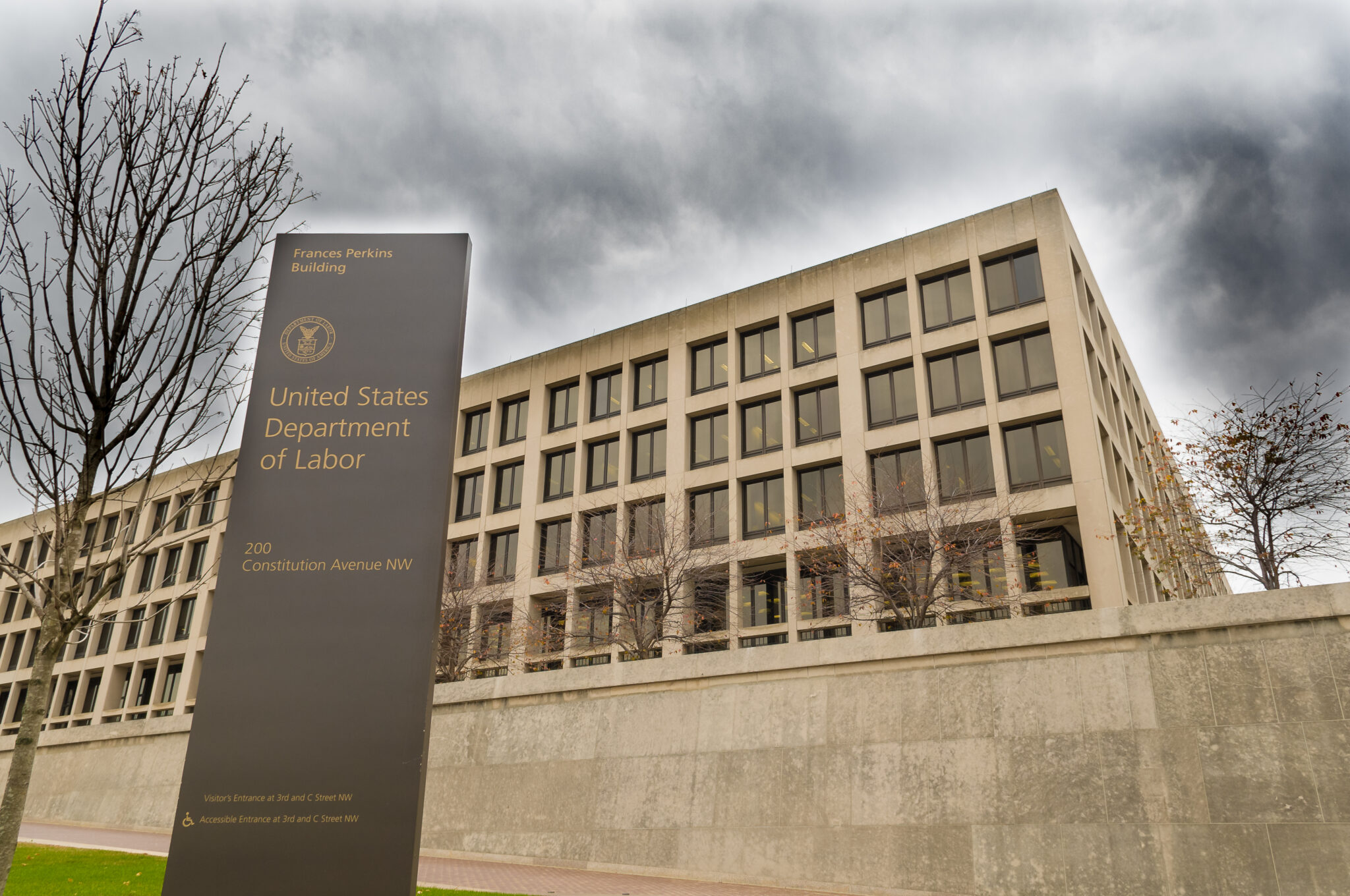

In today’s news and commentary, the Fifth Circuit considers Department of Labor overtime eligibility standards, organized workers at Crooked Media participate in a one-day walkout, and UNITE HERE endorses Kamala Harris for President.
The Fifth Circuit will hear argument in a case considering the extent of the U.S. Department of Labor’s ability to set limits on exemptions to overtime pay requirements. The Fair Labor Standards Act exempts salaried worker who perform “executive, administrative, and professional” duties (EAP), and make a above a certain yearly salary from eligibility for premium pay when they work over 40 hours a week. In 2019, under Trump, the EAP salary was increased more than 50% to $35,588 per year, meaning that workers earning less than they would automatically be eligible for overtime pay. A Texas-based fast-food chain operator challenged this rule arguing that the DOL cannot consider how much a worker makes when determining eligibility for overtime pay. The Fifth Circuit asked both parties to the suit to weigh in on how the Supreme Court’s recent Loper Bright decision will impact this appeal. The DOL argued that an EAP salary was defined by the agency at roughly the same time that the FLSA became law in 1938, and that the agency has consistently defined that salary since. The Fifth Circuit’s decision may impact the validity of a new Biden administration overtime rule, which also employs a salary-level test to determine eligibility for overtime. Under the new rule, workers earning less than $58,656 yearly would be eligible.
Union workers at Crooked Media are taking part in a one-day walkout today to protest stagnated contract negotiations. Workers in the Crooked Media Workers Union, represented by Writers Guild of America East, will distribute leaflets listing their demands outside of Crooked Media’s Los Angeles offices. The union and management have been negotiating a contract for over a year. The progressive media company, founded by former Obama staffers, has ramped up content output ahead of the contentious election cycle, but the Union alleges that this increase in production was not accompanied by “adequate changes to staffing and wages.” Over 95% of the bargaining unit’s 61 members signed the walkout pledge. Members say they will not accept a contract that does not include competitive salary minimums, annual cost-of-living adjustments and safeguards against layoffs. The parties met for three days of negotiations last week and have two more days scheduled this week, with the goal of reaching a contract agreement by Thursday, August 8.
UNITE HERE joins a growing list of labor union endorsing Kamala Harris for President. The endorsement comes just one month after Donald Trump attempted to win favor with tipped workers by promising to make their tips tax-free. Gwen Mills, the president of this hospitality workers’ union, claims that Trump was “making a play” for votes, while Harris has a track record of supporting unions. UNITE HERE pledged to have its members knock on over 3.3 million doors in crucial swing states including Arizona, Michigan, Nevada, North Carolina and Pennsylvania.




Daily News & Commentary
Start your day with our roundup of the latest labor developments. See all
October 22
SCOTUS declines Wilcox appeal; Penn State research assistants win bargaining rights; SEIU sued over military leave firing.
October 21
DOL withdraws tipped-worker rule; Instacart settles hiring-bias claims; Phillips 66 locks out New Jersey refinery workers.
October 20
Korean unions oppose labor exemption bill; Portland city workers prepare for strike; UPenn grad student union looks to dismiss university filing
October 19
FDA reverses course on policy prohibiting off-duty union activity; FAA and NATCA reach deal to secure pay increase for air traffic controllers.
October 18
Federal judge again halts cancellation of the Bureau of Prisons’ CBA; tabletop gaming workers face roadblocks in union recognition.
October 16
Department of Labor reduces wage-and-hour enforcement at unionized workplaces; Fain's victory poses question of federal monitor's extension.