
Anjali Katta is a student at Harvard Law School.
In today’s news and commentary, Amazon’s NLRA violations, the end of the Air Canada strike, and a court finds no unconstitutional taking in reducing pension benefits.
An NLRB judge ruled Amazon.com Inc. violated federal labor law at its air cargo hub in Kentucky, where workers began organizing in 2022. The facility employed approximately 3,500 Amazon workers. The company engaged in illegal union-busting, including surveillance, harassment, interrogations, and excessive badge checks during a March 2023 rally featuring former Amazon Labor Union (ALU) president, Chris Smalls. The ALU later affiliated with the Teamsters in 2024. The rally was held at a parking lot where Amazon set up an unlawful badge check procedure and surveilled and harassed workers during the rally. The NLRB judge also found Amazon disciplined union-supporting employees and restricted union material distribution. However, the judge dismissed some allegations, including claims related to the termination of three workers.
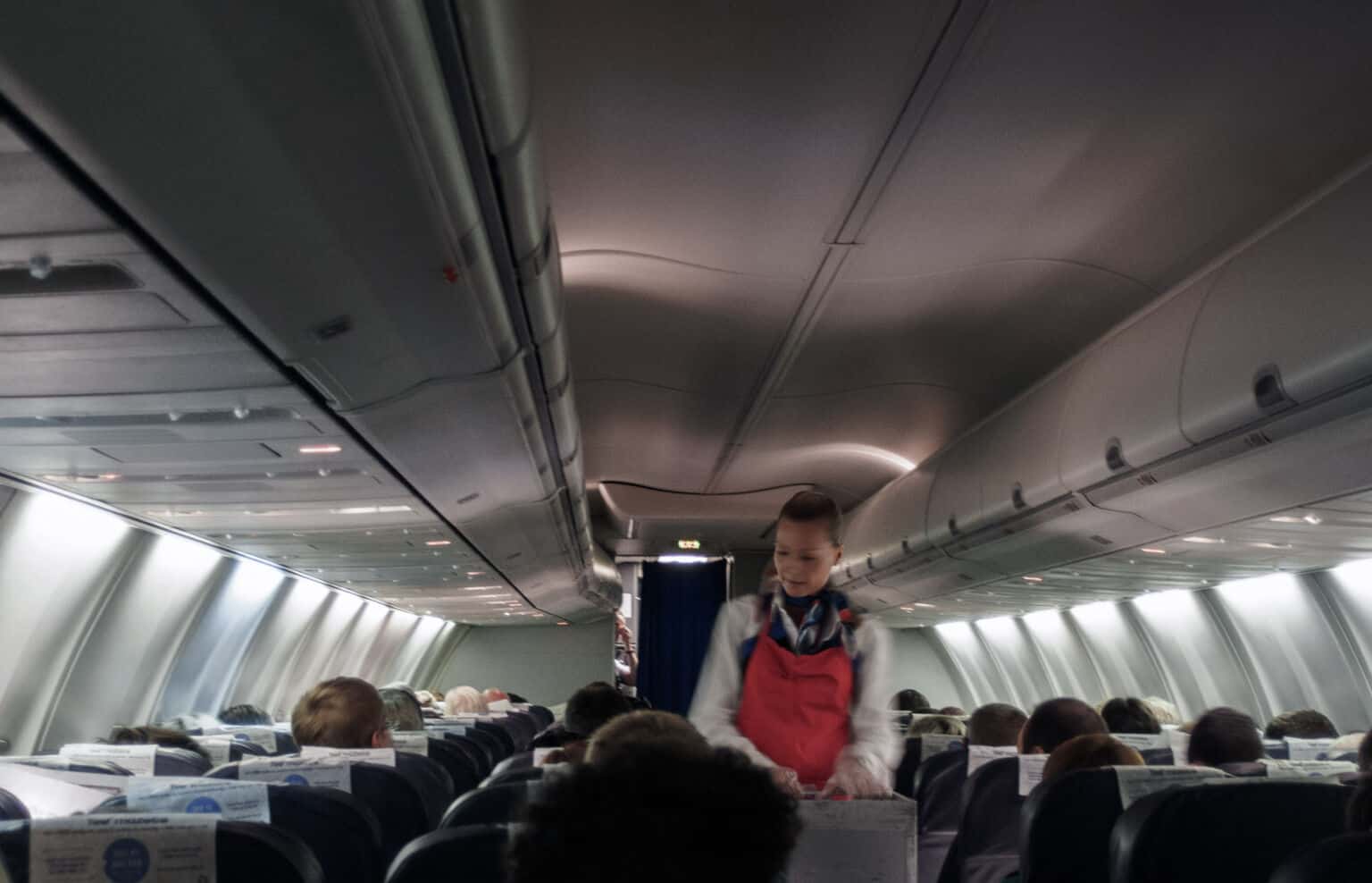
Air Canada will restart flights Tuesday evening after reaching a deal with its flight attendants, ending a three-day strike that caused over 2,700 flight cancellations and disrupted the travel plans of thousands of individuals. More than 10,500 flight attendants, members of the Canadian Union of Public Employees (CUPE), walked off the job Saturday, demanding fair wages and compensation for unpaid time spent working before and after flights. The agreement was reached after over nine hours of mediated negotiations, though the terms have not been disclosed. The strike forced Air Canada to suspend its 2025 earnings forecast and significantly impacted operations at its low-cost subsidiary, Air Canada Rouge. The company expects it will take at least a week to fully restore normal service. The federal government had initially intervened, ordering attendants back to work, though the union defied the mandate. The walkout garnered widespread public sympathy and prompted a government investigation into unpaid labor practices within the airline industry, especially regarding non-compensated hours.
The Federal Circuit ruled that reducing pension benefits under the Multiemployer Pension Reform Act (MPRA) didn’t constitute an unconstitutional taking. The case involved the New York State Teamsters Conference Pension & Retirement Fund, which, in 2017, realized that they would face in solvency by 2026 if they continued to make benefit payments at then-current levels. Then, following MPRA procedures, the Fund reduced the amount of payments it was making to its members. This plan was adopted after a majority of the plan participants didn’t vote against it—pursuant to the rules set forth in the MPRA. The plaintiffs, who were benefit recipients, filed a class action suit, claiming a Fifth Amendment takings violation. However, Federal Circuit Judge Timothy Dyk found the plaintiffs had no property right—only a contractual one and, thus, could not claim a physical taking occurred. Additionally, he held that there was no regulatory taking since the 29% benefit reduction was a regulatory adjustment in a heavily regulated industry and served the public interest by preserving the plan’s solvency.





Daily News & Commentary
Start your day with our roundup of the latest labor developments. See all
October 14
Eleventh Circuit overturns ERISA exhaustion rule; DHS finalizes removal of automatic renewal for work permits; AFGE challenges SSA over flexible scheduling policy.
October 13
Chicago hotel workers remain on strike; a coalition of Democratic states sues the Labor Department over canceled unemployment insurance grants; the Federal Labor Relations Authority establishes a new mediation framework for federal worker disputes.
October 12
Workers at the Obama Foundation begin organizing; MLB submits its latest collective bargaining agreement proposal; Brigham & Women's nurses postpone strike.
October 11
UAW President Shawn Fain succeeds in his reelection bid, and Spanish unions call for a general strike.
October 9
DHS proposes a $100k fee for the foreign grad employment program; Trump suspends tech company access to green card program; and private equity perpetuates poor working conditions for home care workers.
October 8
NLRB judge finds UPS unlawfully restricted union insignia; Harvard graduate workers authorize second strike; OSHA orders Union Pacific to pay $300,000 in damages in whistleblower case.