
Finlay Adamson is a student at Harvard Law School.
In today’s news and commentary, the Canadian government ends a national flight attendants’ strike, and Illinois enacts laws preserving federal worker protections.
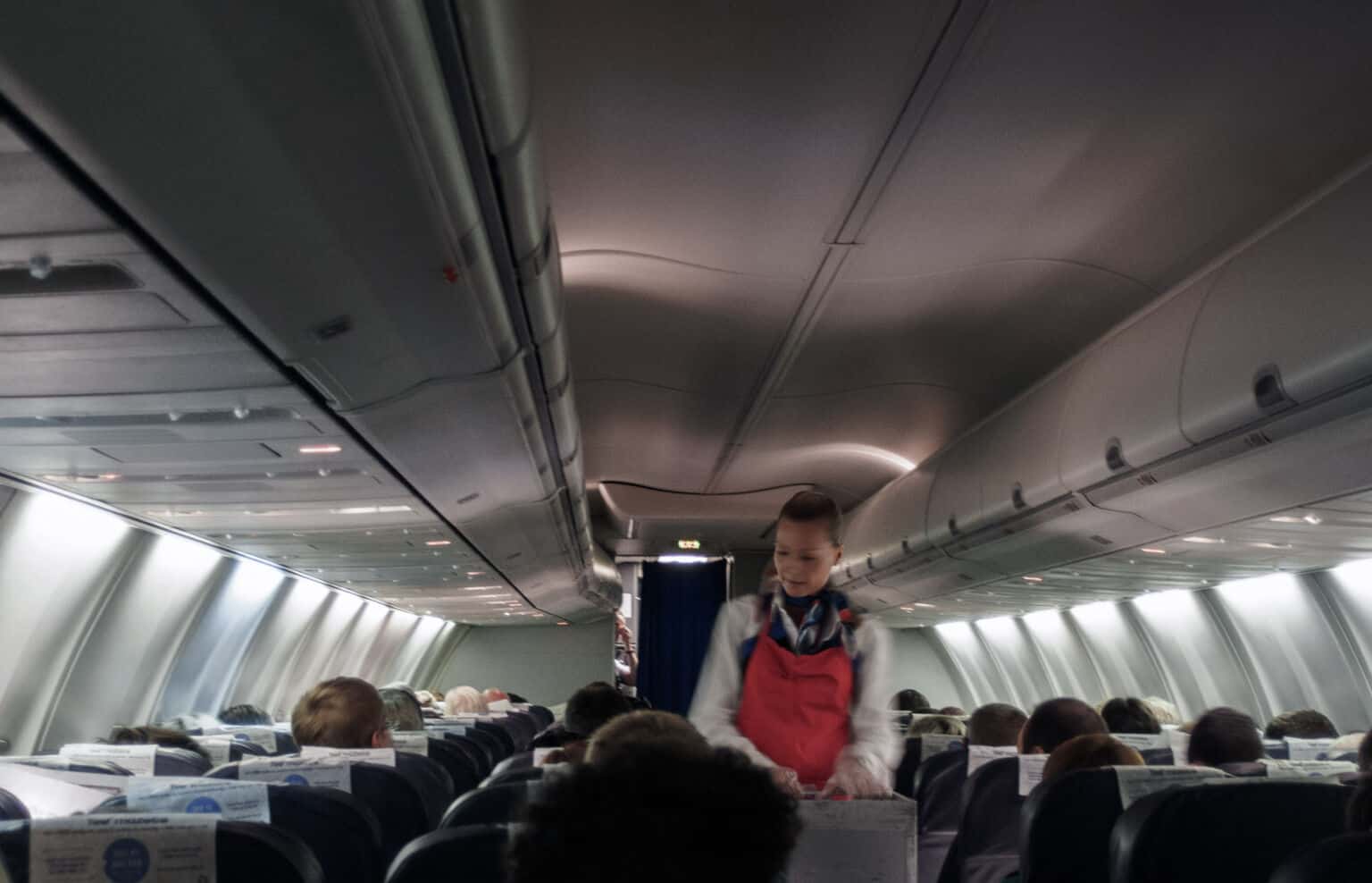
10,000 Air Canada flight attendants went on strike early Saturday morning after contract negotiations with the airline stalled. Just 12 hours after the strike began, Canada’s Minister of Jobs and Families Patty Hajdu ended the strike by imposing binding arbitration on the parties. The flight attendants, represented by the Canadian Union of Public Employees, are in the process of negotiating a 10-year contract with Air Canada. A particular issue of contention is the mandatory unpaid labor that flight attendants are required to perform before and after flights, despite only being paid between take-off and landing. While the Canadian government quickly intervened to force the flight attendants back to work, the strike forced Air Canada to cancel over 700 flights and will affect the travel plans of over 130,000 passengers; full services will not resume until the Canada Industrial Relations Board issues a back-to-work order. The Canadian government has the authority to force workers in federally-regulated industries such as airlines and railroads into binding arbitration, pursuant to Section 107 of the Canadian Labor Code. While governments rarely invoked Section 107 until last year, federal Labor Ministers have increasingly relied on the section to break strikes among airline, railway, and port workers. These ministers have all been part of the nominally pro-labor Liberal Party. Minister Hajdu intervened in the strike with unusual speed, as mandatory arbitrations are “normally used to end long and disruptive walkouts, and arbitrators typically do not introduce major changes… in (the) contracts they impose.”
Illinois Governor JB Pritzker signed two bills into law on Thursday that will preserve worker protections and raise wages in response to the Trump Administration’s weakening of OSHA standards. The Illinois Workers’ Rights and Safety Act will preserve federal worker protections set forth under OSHA and the Fair Labor Standards Act, even if the protections are removed at the federal level. In the event that a federal occupational safety standard is repealed, the Illinois Department of Labor will be required to create an equivalent state standard. Governor Pritzker also signed into law an amendment to the Prevailing Wage Act requiring federal construction projects administered by state and local governments to pay workers the Illinois prevailing wage, if that wage is higher than the federal rate. These acts are part of a growing trend among state lawmakers in Democratic states attempting to preserve federal labor and employment protections during the Trump Administration; as I covered earlier this summer, lawmakers in California, Massachusetts, and New York are considering bills expanding the jurisdiction of their respective state labor agencies in the event the NLRB stops functioning or the NLRA is declared unconstitutional.





Daily News & Commentary
Start your day with our roundup of the latest labor developments. See all
October 16
Department of Labor reduces wage-and-hour enforcement at unionized workplaces; Fain's victory poses question of federal monitor's extension.
October 15
New reporting examines the rollback of child labor protections; California tries to block a strike; NLRB charges Wisconsin mental health provider with firing workers during union drive.
October 14
Eleventh Circuit overturns ERISA exhaustion rule; DHS finalizes removal of automatic renewal for work permits; AFGE challenges SSA over flexible scheduling policy.
October 13
Chicago hotel workers remain on strike; a coalition of Democratic states sues the Labor Department over canceled unemployment insurance grants; the Federal Labor Relations Authority establishes a new mediation framework for federal worker disputes.
October 12
Workers at the Obama Foundation begin organizing; MLB submits its latest collective bargaining agreement proposal; Brigham & Women's nurses postpone strike.
October 11
UAW President Shawn Fain succeeds in his reelection bid, and Spanish unions call for a general strike.