
Anjali Katta is a student at Harvard Law School.
In today’s news and commentary, CFPB mass layoffs paused again, Mine Safety agency rejects union intervention, and postdoctoral researchers petition for union election.
A temporary pause on mass firings at the Consumer Financial Protection Bureau (CFPB) has been restored. After a trial court initially blocked the administration from mass firings, the appeals court modified that order to allow the CFPB to continue its lay-off program with a “particularized assessment” showing that any fired workers were not necessary for the agency to perform their legal duties. The pause comes after internal emails revealed that agency leaders rushed to fire 90% of workers after the appellate court ruling that had allowed the layoff process to move ahead.
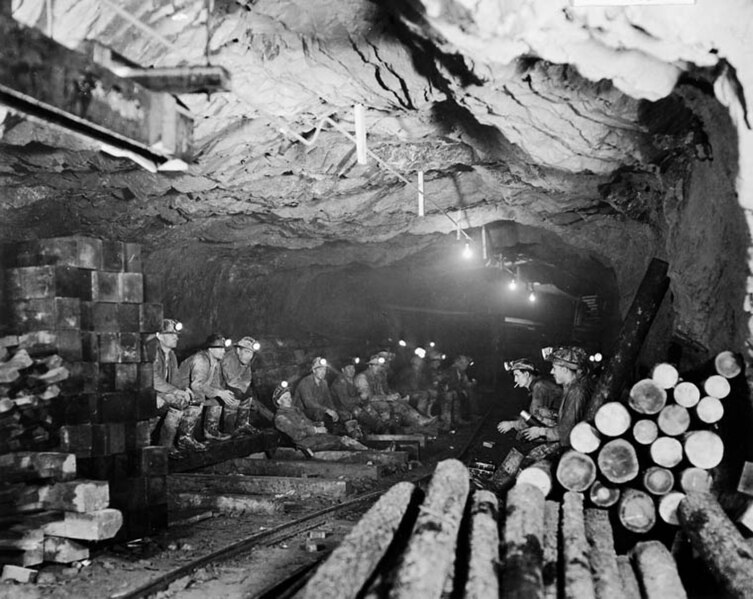
The Mine Safety and Health Administration (MSHA) rejected union intervention in challenge to the agency’s silica suit. MSHA argued that the motion to intervene—filed by the United Mine Workers of America and the United Steelworkers—was untimely and failed to show that the agency was not adequately representing the public interest. MSHA further contended that the unions had not sufficiently established associational standing to bring the case. The unions wanted to join the lawsuit to defend a rule that requires employers to limit the amount of silica dust in the air in mines. The rule, which was to take effect on April 14th, was challenged by an industry group with MSHA issuing a notice temporarily pausing enforcement of the final rule the day after the challenge. The Eighth Circuit paused the rule compliance deadlines while it determines whether to grant or deny an administrative stay.
Postdoctoral researchers at the University of Pennsylvania have filed a petition with the NLRB to form a union. Of the 1,500 postdoctoral researchers, 1,000 have signed authorization cards in support of forming “Research Associates and Postdocs United,” affiliated with the UAW. This petition follows a similar filing by 1,600 postdoctoral researchers at Johns Hopkins University, also seeking recognition under the UAW. Postdoctoral researchers have cited concerns about inadequate wages, limited healthcare coverage, and insufficient workplace protections. International researchers have also raised issues related to visas, travel, and reimbursement. If successful, these postdoctoral researchers will join 17 other bargaining units representing more than 12,000 postdoctoral researchers nationwide.





Daily News & Commentary
Start your day with our roundup of the latest labor developments. See all
October 11
UAW President Shawn Fain succeeds in his reelection bid, and Spanish unions call for a general strike.
October 9
DHS proposes a $100k fee for the foreign grad employment program; Trump suspends tech company access to green card program; and private equity perpetuates poor working conditions for home care workers.
October 8
NLRB judge finds UPS unlawfully restricted union insignia; Harvard graduate workers authorize second strike; OSHA orders Union Pacific to pay $300,000 in damages in whistleblower case.
October 7
DOL scraps plan to remove decades-old wage-and-hour guidance from federal regulations; New York enacts personnel records access law; Starbucks loses bid to dismiss Workers United trademark suit.
October 6
Protect College Sports Act dampens athlete unionization outlook; Stanford RA union decides to withdraw petition
October 5
Delaware bans captive audience meetings; EEOC settles remote work national origin discrimination claim; First Circuit stays enforcement order in VA's dispute with AFGE.