
Ethan Story is a student at Harvard Law School.
In today’s news and commentary, the Protect College Sports Act heads to a long-awaited vote in the Senate; San Francisco’s two largest municipal unions ratify contract extensions while the city nurses’ bargaining committee rejects Mayor Daniel Lurie’s offer.
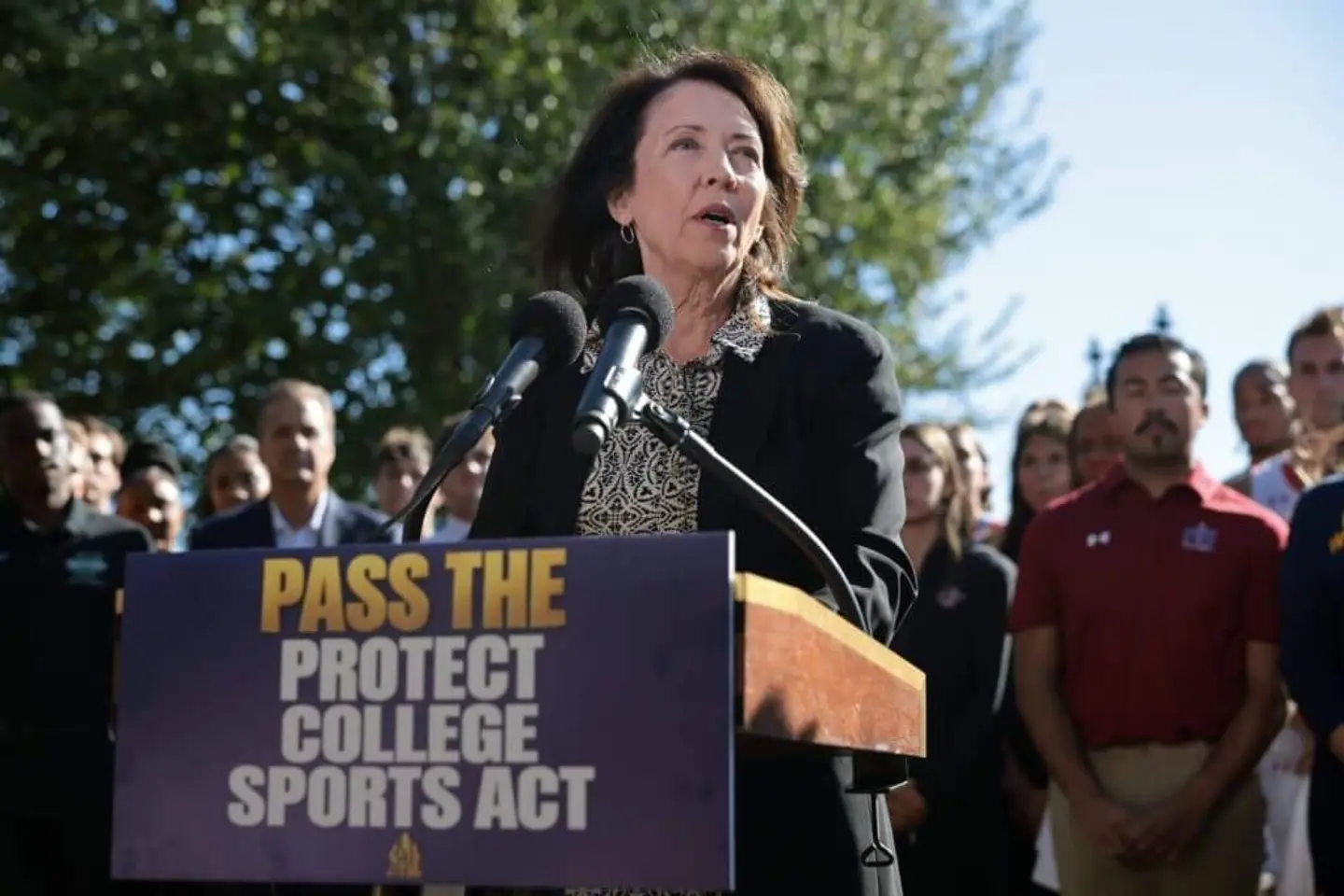
The Protect College Sports Act (PCSA) is scheduled for a final vote in the Senate today and is expected to pass. Introduced by Senators Ted Cruz (R-TX) and Maria Cantwell (D-WA), the PCSA would provide the NCAA with a limited antitrust exemption to establish rules regarding athlete eligibility, transfers, and player compensation. It would also place limits on future conference expansion. The antitrust exemption is designed to halt the legal challenges surrounding eligibility and transfers that have engulfed college sports in recent years. Despite the bill’s bipartisan support, others criticize it for failing to recognize college athletes as statutory employees or provide a collective bargaining framework, with the NAACP’s president accusing the bill of “exploiting student athletes.” If passed by the Senate, the bill would head to the House, where it could face renewed opposition.
Earlier last week, San Francisco Mayor Daniel Lurie agreed to contract extensions with the city’s two largest municipal unions, SEIU 1021 and IFPTE Local 21, which combined represent roughly half of the municipal workforce. The deal, which both unions touted as providing their workers with much-needed economic stability in the face of uncertain job security and federal funding, included a 12 percent raise from 2027 to 2031 and no layoffs through mid-2029. Despite 1021 and Local 21’s support, the bargaining committee for a separate SEIU unit representing nearly 2,400 city nurses unanimously rejected the offer—with one member calling Lurie’s offer “absurd” and “insulting.” Opponents noted that the two-year layoff guarantee fails to last for the full four-year life of the contract and complained that the agreement did not do enough to protect workplace safety. In addition to the nurses’ opposition, other city bargaining units, including those representing city transportation workers, electricians, and construction workers, have yet to decide on a position regarding the agreement.





Daily News & Commentary
Start your day with our roundup of the latest labor developments. See all
September 28
The Protect College Sports Act nears passage in the Senate; San Francisco municipal workers agree to contract extensions.
September 27
The Trump Administration reaches a settlement with federal unions on reduction in force actions; the United Auto Workers file an en banc petition seeking review of a Second Circuit decision regarding labor arbitrations.
September 25
Healthcare workers rally to restore legal status for TPS holders; nurses at a Maine hospital overwhelmingly vote to form their union despite alleged aggressive union busting tactics.
September 24
NLRB abandons rule for offensive conduct during protected activity; New York home care workers seek a union election; maritime deck officers endure long fight for first contracts.
September 23
DoorDash settles delivery-worker pay claims; Philadelphia school workers win new contract; stock gains spur retirements.
September 22
Judge blocks ICE raids in Alabama; Chicago hotel workers vote to strike; AutoZone workers look to create first union