
Elias Decker is a student at Harvard Law School.
In today’s news and commentary, NLRB advice memo narrows political protest protections and NLRB asks federal appeals court for deference.
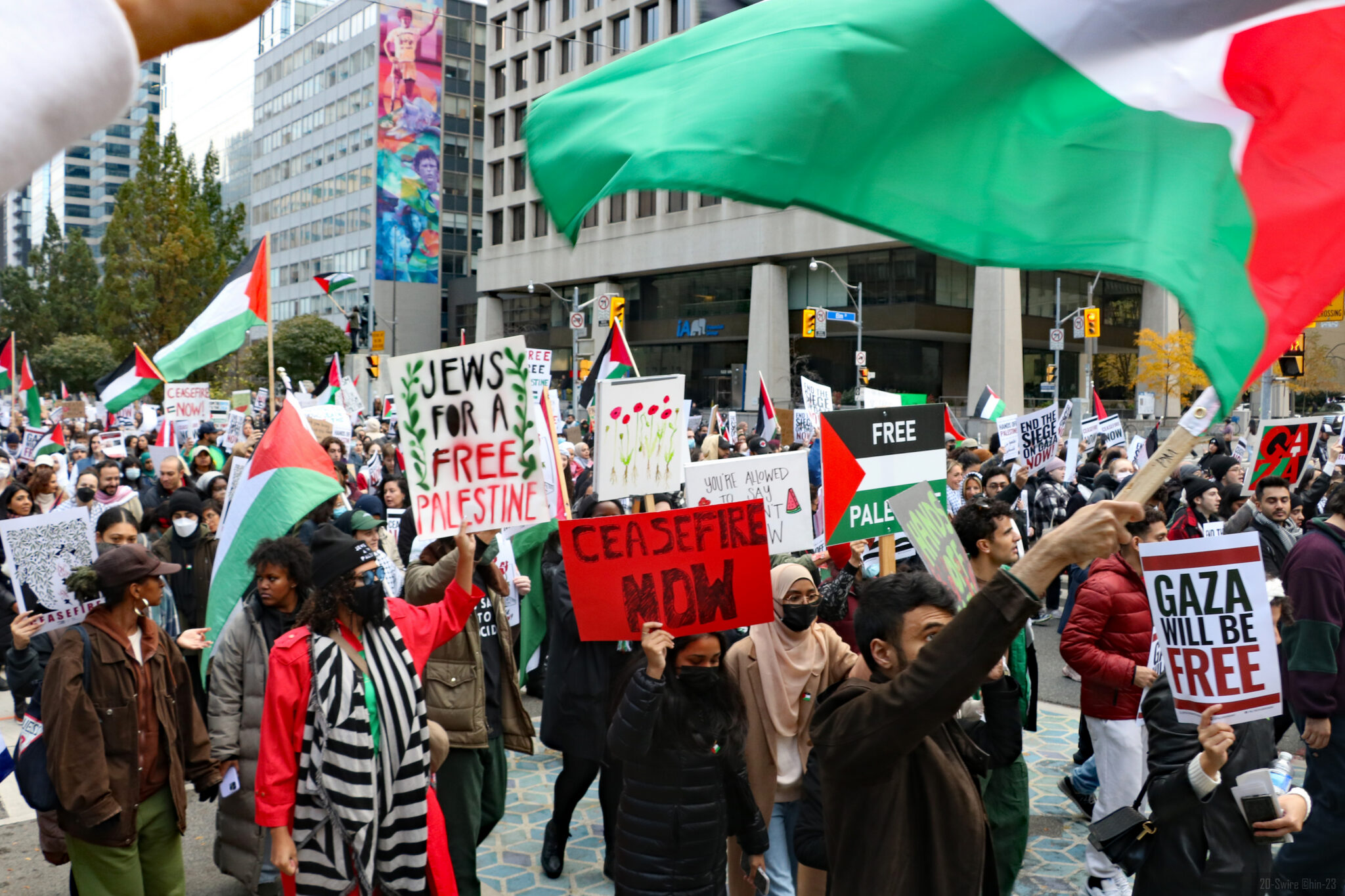
In an advice memorandum issued on August 30, 2026, the NLRB’s Advice Division strictly interpreted protections for workers engaging in political protest, requiring a close relationship between a protest’s goals and workers’ “mutual aid and protection.” In 2023, workers associated with No Azure for Apartheid and No Tech for Apartheid began sharing posts and links about the war in Gaza through company emails and on company chat groups or chat boards. In 2024, at least one worker invited co-workers to a protest on Microsoft’s campus, drawing “a large crowd.” Microsoft fired the workers following this incident. The memo advises that the protest’s goals — cutting Microsoft’s ties with the Israeli government, raising awareness of the conditions in Gaza, and raising humanitarian funds — where too attenuated from “mutual aid and protection” to be protected by the NLRA. While such a memo, coming out of the General Counsel’s office, is not binding, it indicates how the General Counsel is likely to approach an issue. In fact, this advice memo indicates a departure from the Biden’ NLRB’s 2024 decision in Home Depot that protected a worker’s BLM display.
On Tuesday, September 1, the NRLB asked the entirety of the D.C. Circuit federal court of appeals to review the decision of a three-judge panel that struck down the NLRB’s doctrine prohibiting successor companies from not recognizing an existing union. This case continues the fall-out from the Supreme Court’s 2024 decision in Loper Bright that ended courts’ default deference to administrative agencies on a variety of questions. The three-judge panel decided that they do not need to defer to the NLRB’s rule that prohibits a successor company, i.e., where a second company purchases a workplace from the original company, from withdrawing recognition from the already-existing union at that workplace. The judges rooted their decision in the new authority granted to them by Loper Bright, saying that the successor bar is such an “important policy choice” that the agency determination deserves no deference. The panel’s decision was written by two Trump-appointed judges, with a dissent authored by a George H.W. Bush appointee. The entire D.C. Circuit is a majority Democratic appointees.


Daily News & Commentary
Start your day with our roundup of the latest labor developments. See all
September 25
Healthcare workers rally to restore legal status for TPS holders; nurses at a Maine hospital overwhelmingly vote to form their union despite alleged aggressive union busting tactics.
September 24
NLRB abandons rule for offensive conduct during protected activity; New York home care workers seek a union election; maritime deck officers endure long fight for first contracts.
September 23
DoorDash settles delivery-worker pay claims; Philadelphia school workers win new contract; stock gains spur retirements.
September 22
Judge blocks ICE raids in Alabama; Chicago hotel workers vote to strike; AutoZone workers look to create first union
September 21
In today’s News and Commentary, the Seventh Circuit raises the bar for the NLRB to obtain preliminary injunctions, the California Primary Care Association sues SEIU-UHW for racketeering, and the Seventh Circuit finds that an employer group and think tank do not have standing to challenge an Illinois law banning captive audience meetings. On Friday, the […]
September 20
Culinary Workers Union members protests union leadership; lawsuit against OpenAI and Microsoft reveal internal concerns about the threat of AI training to human labor.