
Elias Decker is a student at Harvard Law School.
In today’s news and commentary, Senators advance on college athlete rights bill, and USDA strains OSHA with proposed meat production lines speed-up.
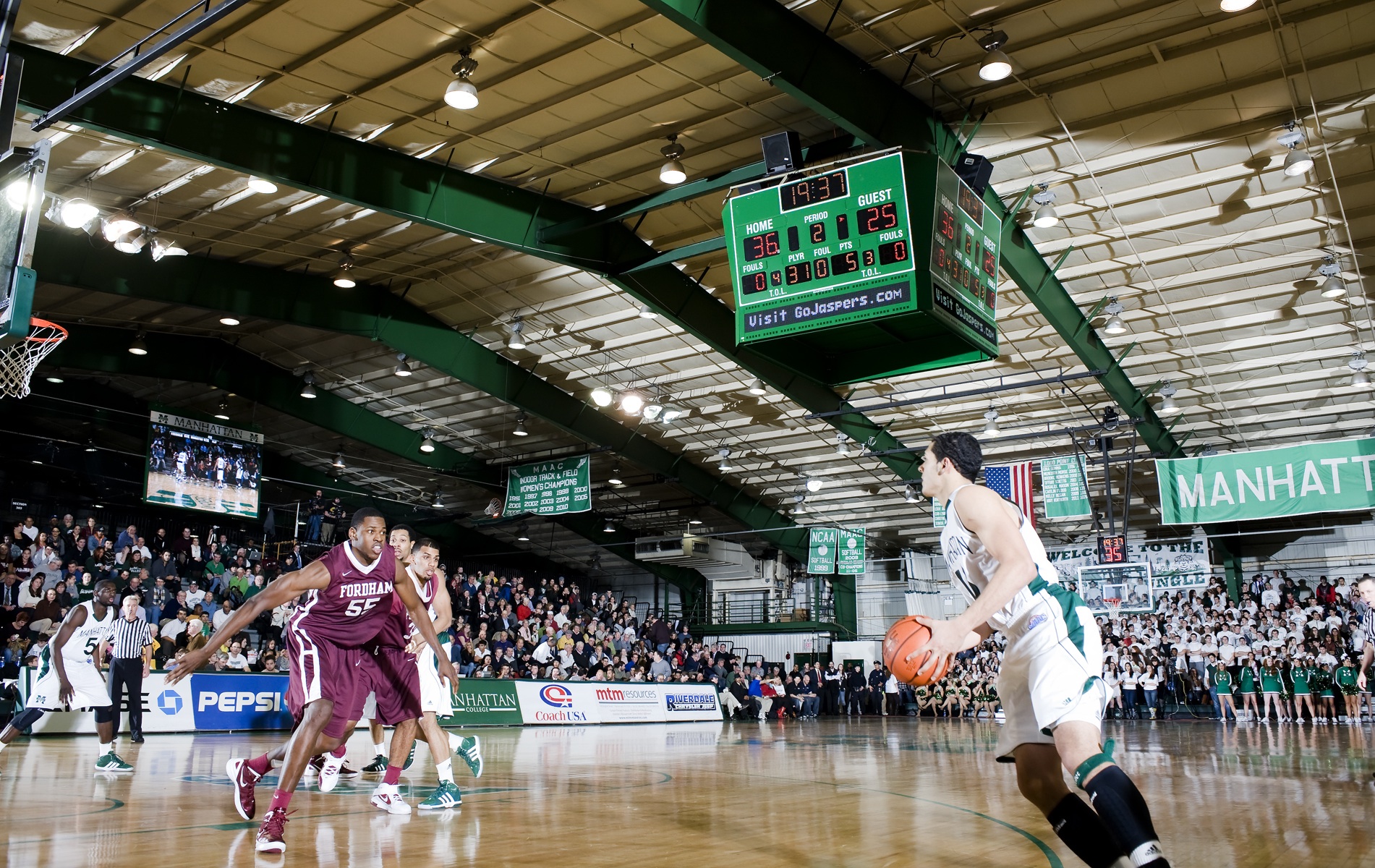
In a statement on Wednesday, Senators including Ted Cruz and Maria Cantwell released a statement announcing the bipartisan Protect College Sports Act. The bill introduces federal legislation to protect student-athletes’ ability to earn money off of their name, image, and likeness (so-called “NIL”), to extend requirements for schools to share revenue with student-athletes, and to require that schools cover student-athletes’ medical expenses. In exchange, the bill limits student-athletes to one transfer in their collegiate careers, gives schools and the NCAA some antitrust protections, and preempts any state or local laws. For certain legislators, this bill is more about protecting the institution of college sports than student-athletes’ rights or well-being. Senator Cruz said that college sports are “at a breaking point,” requiring “real rules, competitive balance, rivalries, and a true connection to education.” Such sentiments are likely informed by the recent spate of massive settlements between student-athletes and schools, such as the recent $1.8 billion settlement over student-athlete pay involving the NCAA. The bill, as proposed, is notably silent on the question of union organizing, extending the uncertainty left by the 2016 NLRB decision Northwestern University.
USDA’s proposal to speed up production lines for pork and poultry will strain OSHA’s ability to protect workers in the already-dangerous industry. USDA made this proposal in February, saying it would “update” speed requirements in these industries. The proposal’s stated goal is to help lower the cost of meat for consumers. As it stands, these workers already face slippery floors, dangerous equipment, and biological hazards on a daily basis. Additionally, the fine motor actions required in butchery already lead to carpal tunnel at a rate seven times the national average. As a result, OSHA has specifically identified fast-paced work as a risk in this line of work. OSHA has cited for violating safety conditions in meat-packing plants. This can put employers in an economic and legal bind, balancing profits-through-speed against worker injury and legal compliance. Margo Wolf O’Donnell, employment-law attorney withBenesch Law, said “I know that pricing is really a big concern, but they also need to be mindful of the legal ramifications as well.” The USDA contends, however, that the proposal does not actually interfere with OSHA’s ability to regulate these workplace risks. OSHA has not commented.



Daily News & Commentary
Start your day with our roundup of the latest labor developments. See all
September 21
In today’s News and Commentary, the Seventh Circuit raises the bar for the NLRB to obtain preliminary injunctions, the California Primary Care Association sues SEIU-UHW for racketeering, and the Seventh Circuit finds that an employer group and think tank do not have standing to challenge an Illinois law banning captive audience meetings. On Friday, the […]
September 20
Culinary Workers Union members protests union leadership; lawsuit against OpenAI and Microsoft reveal internal concerns about the threat of AI training to human labor.
September 17
Unions push to block Google from buying Spirit Airlines employment records; U.S. Department of Labor sues Oklahoma coffee chain over alleged wage violations.
September 16
Trump nominates Catherine Eschbach as EEOC general counsel; NLRB declines to resolve union work-assignment dispute; Allina Health physicians begin four-day strike.
September 15
Documents reveal the inner workings of Amazon's union avoidance program; Washington state public sector unions reach tentative deals amid a difficult bargaining cycle; hundreds of Nevada Culinary Union members protest their union's health care changes.
September 14
NCAA and Big Ten file motion to dismiss in former star player's NIL suit; Seventh Circuit rules against former postal worker in discrimination suit.