
Anthony Chen is a student at Harvard Law School.
In today’s news and commentary, the Supreme Court grants cert on Labor Department judges’ authority, Apple store union files an NLRB charge, and cannabis workers win unionization rights.
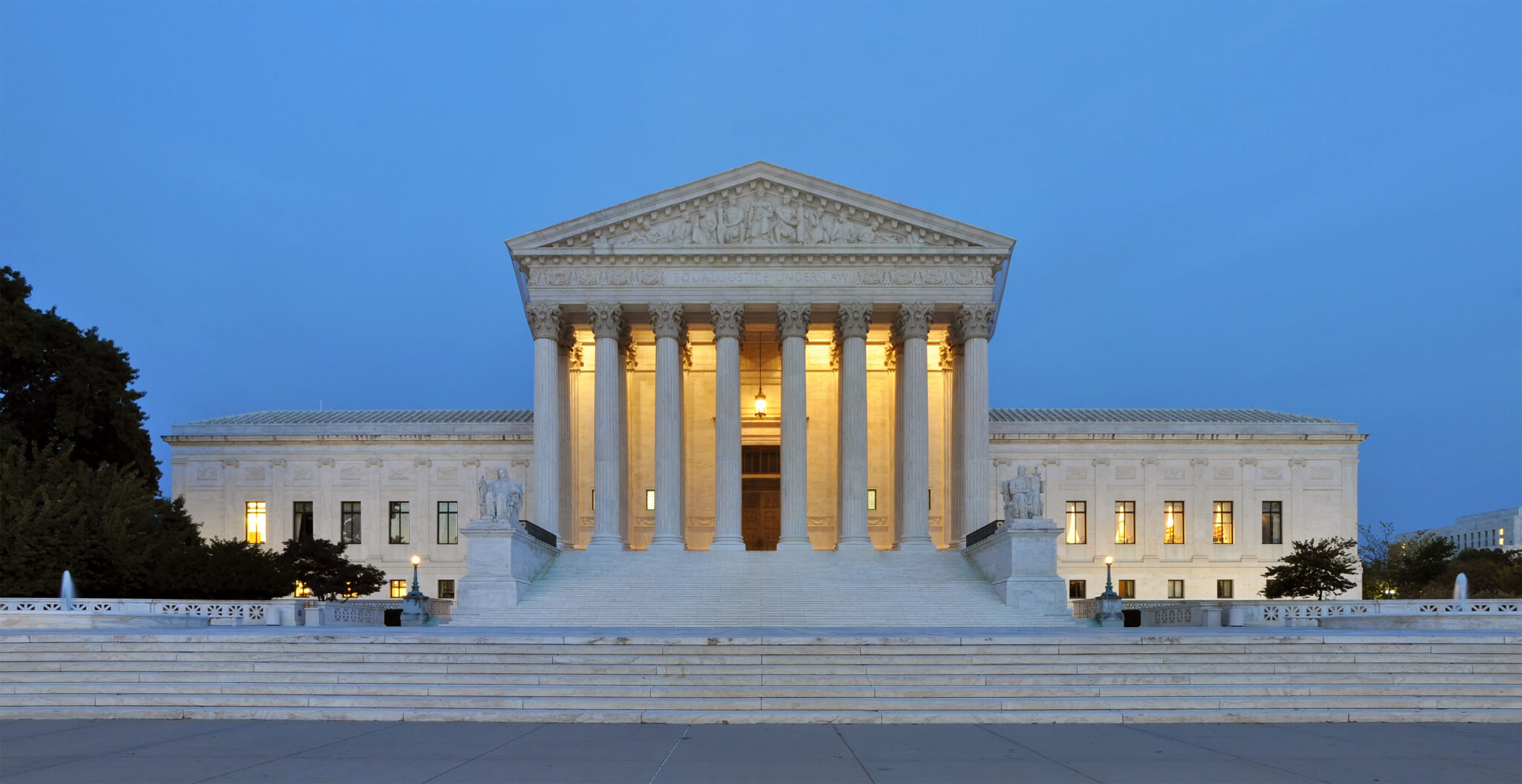
First on Monday, the Supreme Court agreed to hear a case concerning DOL Administrative Law Judges’ constitutional authority to enforce violations of the H-2A seasonal agricultural worker program. In 2025, the Third Circuit ruled in Sun Valley Orchards, LLC v. United States Department of Labor that Sun Valley Orchards was entitled to an Article III adjudication for civil penalties stemming from H-2A violations. Sun Valley argued that under SEC v. Jarkesy, the in-house DOL adjudication they were subjected to was unconstitutional. The Third Circuit agreed. First, it found that the enforcement action against Sun Valley for H-2A violations concerned private rights because the enforcement action was analogous to common law breach of contract. It then found that Jarkesy’s public rights exception to Article III adjudication did not apply because the regulations at issue did not concern immigration, which could fall into the public rights exceptions, but instead concerned private employment matters of wages and working conditions. The Supreme Court’s review is limited to whether the DOL is authorized under Article III or the Immigration and Nationality Act to adjudicate H-2A violations.
Next, the union representing workers at Apple’s first-ever unionized retail location in Towson, Maryland filed an NLRB charge, accusing the company of illegally discriminating against its members in connection with the store’s upcoming closure. Apple announced earlier this month that the Towson location would close in June along with two other stores. While employees at those other locations were offered transfers to nearby Apple Stores, the Towson workers were not. The International Association of Machinists and Aerospace Workers said that Apple “discriminated against IAM-represented workers in regards to their terms and conditions of employment in order to discourage them from exercising their rights.” So far, none of the store’s roughly 90 employees have been hired at another Apple location. Workers and union representatives say the disparate treatment is meant to deter unionization at other stores. Complicating any potential NLRB prosecution, the agency’s current general counsel, Trump-appointee Crystal Carey, previously represented Apple in NLRB disputes.
Finally, the NLRB ruled that cannabis processing workers have the right to unionize, rejecting Missouri-based BeLeaf Medical LLC’s argument that its cannabis processing employees qualify as agricultural workers exempt from the National Labor Relations Act. “The activities of the Post-Harvest employees generally are not performed by ordinary farm employees, and the activities in question have only an attenuated relationship to farming in the traditional sense,” the Board said. These commercial cannabis processing activities include destemming dried plants, running cannabis through trimming machines, and maintaining compliance with state regulations.





Daily News & Commentary
Start your day with our roundup of the latest labor developments. See all
October 16
Department of Labor reduces wage-and-hour enforcement at unionized workplaces; Fain's victory poses question of federal monitor's extension.
October 15
New reporting examines the rollback of child labor protections; California tries to block a strike; NLRB charges Wisconsin mental health provider with firing workers during union drive.
October 14
Eleventh Circuit overturns ERISA exhaustion rule; DHS finalizes removal of automatic renewal for work permits; AFGE challenges SSA over flexible scheduling policy.
October 13
Chicago hotel workers remain on strike; a coalition of Democratic states sues the Labor Department over canceled unemployment insurance grants; the Federal Labor Relations Authority establishes a new mediation framework for federal worker disputes.
October 12
Workers at the Obama Foundation begin organizing; MLB submits its latest collective bargaining agreement proposal; Brigham & Women's nurses postpone strike.
October 11
UAW President Shawn Fain succeeds in his reelection bid, and Spanish unions call for a general strike.