
Ajayan Williamson is a student at Harvard Law School.
In today’s news and commentary, the Supreme Court hears oral argument in an FAA case; the NLRB rules that Cemex does not impose an enforceable deadline for requesting an election; and DOL proposes raising wage standards for H-1B workers.
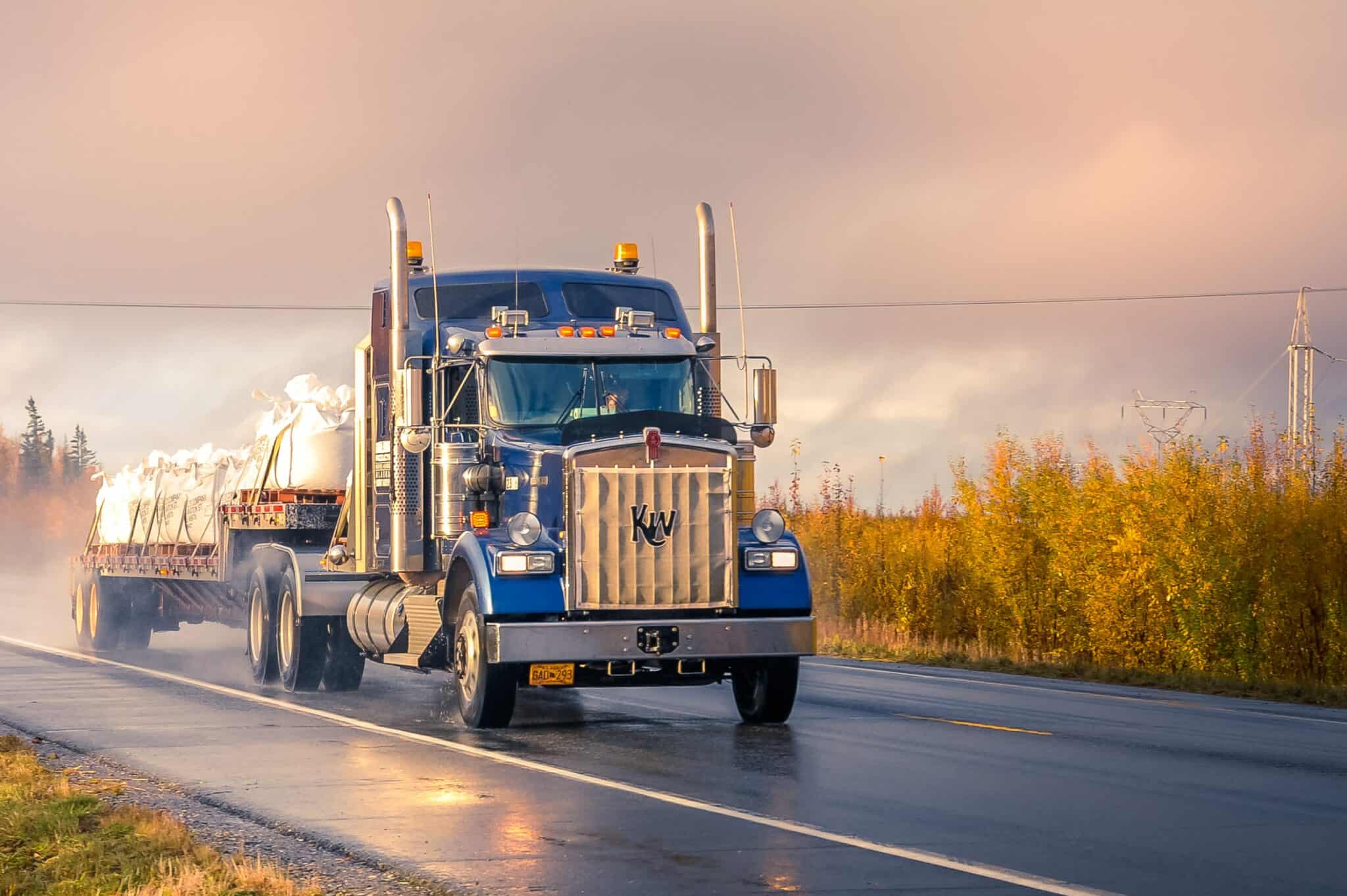
Yesterday, the Supreme Court heard oral argument in Flowers Foods, Inc. v. Brock, a case about the Federal Arbitration Act’s (FAA) exception for transportation workers. As Andrew explained last month, the FAA carves out “contracts of employment of seamen, railroad employees, or any other class of workers engaged in foreign or interstate commerce”; this case focuses on whether that carveout applies to “last mile” drivers who are part of interstate supply chains but who do not themselves cross state lines during their deliveries. Several Justices asked questions about where to draw the boundaries of the exception, with particular concerns about applying it in the context of modern, complex supply chains. If the Court rules that “last mile” drivers are exempt, then those drivers could begin to bring class action suits for improved working conditions against Amazon Flex, Instacart, and other companies relying on gig drivers.
Meanwhile, the NLRB ruled yesterday that its decision in Cemex did not create an enforceable deadline before which employers must request an election. Cemex held that when a union requests recognition based on support from a majority of the bargaining unit, the employer must either recognize the union or “promptly” file a petition for an election, with “promptly” normally meaning within two weeks. In St. John’s College, decided yesterday, the employer waited almost three months to file for an election, and the Regional Director dismissed the petition as untimely under Cemex. The NLRB reversed, stating that the two-week period is relevant to whether the employer will be liable for an unfair labor practice, but that an otherwise valid election petition may still proceed even if it is filed later. The decision might weaken Cemex as a constraint on employer delay tactics — but Cemex has also been subject to other challenges in the courts, indicating that the case might be on shaky footing more broadly.
Finally, the Department of Labor proposed a new rule today that would mandate higher wage standards for H-1B workers. The program’s wage standards are intended to keep foreign worker hiring from undercutting domestic wages, and the standards also effectively determine how expensive it is for companies to hire through these visas. If enacted, the higher wage requirements from this rule would disincentivize immigrant hiring — the same impulse motivated the Administration’s recent changes to the H-1B lottery and the attempt to add a $100,000 hiring fee to the program. Similar efforts during the first Trump Administration were tied up by legal challenges brought by business groups whose hiring was impacted; challenges to this rule may be likely as well.

Daily News & Commentary
Start your day with our roundup of the latest labor developments. See all
September 25
Healthcare workers rally to restore legal status for TPS holders; nurses at a Maine hospital overwhelmingly vote to form their union despite alleged aggressive union busting tactics.
September 24
NLRB abandons rule for offensive conduct during protected activity; New York home care workers seek a union election; maritime deck officers endure long fight for first contracts.
September 23
DoorDash settles delivery-worker pay claims; Philadelphia school workers win new contract; stock gains spur retirements.
September 22
Judge blocks ICE raids in Alabama; Chicago hotel workers vote to strike; AutoZone workers look to create first union
September 21
In today’s News and Commentary, the Seventh Circuit raises the bar for the NLRB to obtain preliminary injunctions, the California Primary Care Association sues SEIU-UHW for racketeering, and the Seventh Circuit finds that an employer group and think tank do not have standing to challenge an Illinois law banning captive audience meetings. On Friday, the […]
September 20
Culinary Workers Union members protests union leadership; lawsuit against OpenAI and Microsoft reveal internal concerns about the threat of AI training to human labor.