
Justin Cassera is a student at Harvard Law School.
In today’s news and commentary, the Bureau of Labor Statistics releases jobs data and the International Labour Organization hosts a conference on child labor.
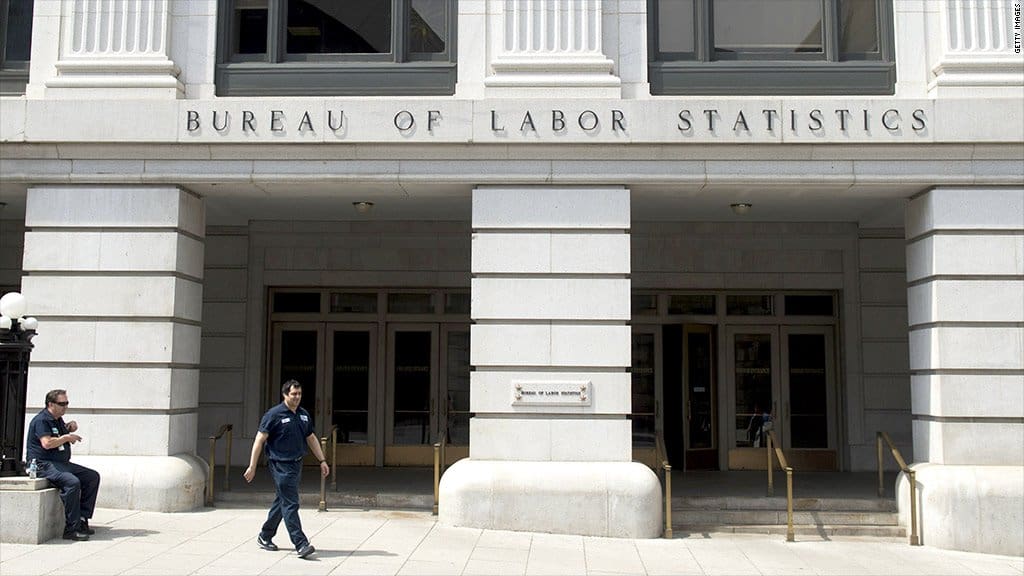
Last week, the Bureau of Labor Statistics (BLS) reported that the labor market added approximately 181,000 jobs in 2025, significantly revising preliminary data suggesting a figure closer to 584,000. Responding to the news, some said that this figure represents “almost zero job growth” in relation to past years; in 2024, the labor market added 1.46 million jobs. In fact, this amount makes 2025 “the worst year for hiring since 2020, or since 2003 outside of a recession.” The BLS also reported that, in January 2026, employment grew by 130,000. This growth was primarily fueled by the health care, social assistance, and construction industries. Federal government employment continued to shrink.
Last week, the Kingdom of Morocco and International Labour Organization (ILO) hosted the 6th Global Conference on the Elimination of Child Labour. The conference worked to bring together “governments, employers’ and workers’ organizations, civil society, international organizations, private sector representatives, academia . . . and young people to accelerate action towards the elimination of child labour.” According to Gilbert Houngbo, Director-General of the ILO, approximately 138 million children remain in child labor, either trafficked or driven to work by poverty, insufficient access to education, and weak social safety nets. The conference spent time discussing immediate and long-term solutions to these issues, primarily exploring bi- and multilateral agreements with the potential to build production capacity, institute labor inspections, and promote formal employment opportunities in developing countries.



Daily News & Commentary
Start your day with our roundup of the latest labor developments. See all
September 4
NLRB advice memo narrows political protest protections; NLRB asks federal appeals court for deference.
September 3
Seond Circuit rejects a NLRB standard for union insignia in employer dress codes; House Republicans ramp up labor union investigations.
September 2
Trump’s US Steel agreement impacts labor talks; Mamdani clashes with teachers’ union; Boeing plans to resume bargaining talks.
September 1
California legislature passes a bill banning AI workplace surveillance of workers' emotional states; Labor Department repeals decades-old farmworker protection rules; Sixth Circuit upholds a $1.4 million verdict for farmworkers.
August 31
Boston Symphony Orchestra musicians stave off first-ever strike; Cleveland Public Library workers ratify new contracts; New York State AFL-CIO makes endorsements
August 30
Seattle teachers vote to authorize a strike days before the school year begins; BNSF Railway’s AI dispatching system puts workers in danger; and a California court finds that the DOL’s pay cuts for non-citizen farmworkers are unlawful.