
Ted Parker is a student at Harvard Law School and a member of the Labor and Employment Lab.
In today’s news and commentary, the Supreme Court receives a petition to resolve the circuit split over the certification process for FLSA collective actions, unvaccinated healthcare workers lose their religious discrimination cases, and New Jersey’s attorney general sues Amazon over worker misclassification.
The deepening circuit split over the certification process for FLSA collective actions may be headed to the Supreme Court. As I explained back in May, the traditional two-step process helps more workers get back their stolen wages, while the newer one-step processes (adopted by the Fifth Circuit in 2021, the Sixth Circuit in 2023, and the Seventh Circuit earlier this year) make it easier for employers to pocket at least small sums with impunity. Now, a case in the Ninth Circuit, Harrington v. Cracker Barrel Old Country Store, which recently reaffirmed the traditional worker-friendly process, has been appealed to the Supreme Court. If the Supreme Court grants the parties’ petitions for certiorari—both sides have appealed—it could resolve the circuit split, but it is not obvious which side the Supreme Court would come down on.
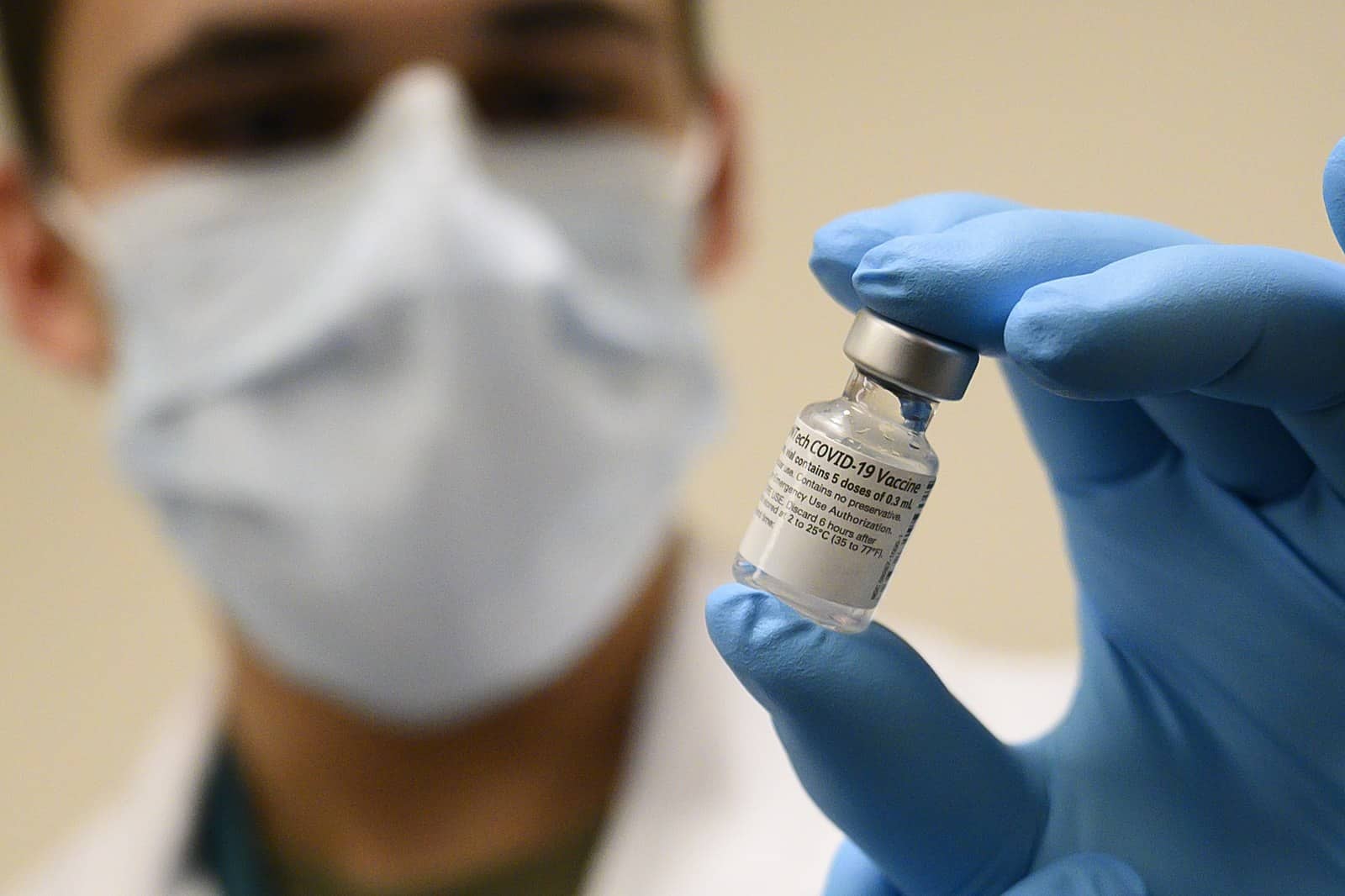
Reporting in Bloomberg observes that the trend in religious discrimination cases brought by vaccine refusers has turned decisively against the plaintiffs in at least one context: healthcare. As I wrote last month, the landscape among workers in other contexts (firefighters, transit workers, airline workers, etc.) is varied and uncertain. But in healthcare, plaintiffs are having a hard time clearing the “undue hardship” bar set by Groff v. DeJoy, which held that an employer may deny a religious accommodation if granting it would impose a “substantial” cost on its business. In these cases, granting the accommodation means increasing the chances that a medically vulnerable patient will contract a preventable disease, which imposes a substantial cost on the business of employers in the form of malpractice liability. Beyond that, there is also the “close nexus” between vaccine requirements and the overall goal of healthcare: to prevent disease. Because undue hardship is clear in these cases, courts often do not reach the sincerity of the plaintiffs’ religious beliefs.
Finally, New Jersey’s attorney general has sued Amazon for misclassifying its delivery drivers as independent contractors, thereby depriving them of the benefits and protections of employees. The state has a strong position given New Jersey’s strict ABC test, but Amazon is likely to fight the litigation with its vast resources. In such cases, the parties often settle in a way that benefits the workers but stops short of reclassifying them as employees. The role of attorneys general is especially important in this domain because workers are often prevented from pursuing this type of litigation by mandatory arbitration agreements and class-action waivers.


Daily News & Commentary
Start your day with our roundup of the latest labor developments. See all
September 20
Culinary Workers Union members protests union leadership; lawsuit against OpenAI and Microsoft reveal internal concerns about the threat of AI training to human labor.
September 17
Unions push to block Google from buying Spirit Airlines employment records; U.S. Department of Labor sues Oklahoma coffee chain over alleged wage violations.
September 16
Trump nominates Catherine Eschbach as EEOC general counsel; NLRB declines to resolve union work-assignment dispute; Allina Health physicians begin four-day strike.
September 15
Documents reveal the inner workings of Amazon's union avoidance program; Washington state public sector unions reach tentative deals amid a difficult bargaining cycle; hundreds of Nevada Culinary Union members protest their union's health care changes.
September 14
NCAA and Big Ten file motion to dismiss in former star player's NIL suit; Seventh Circuit rules against former postal worker in discrimination suit.
September 13
Documents released on the 25th anniversary of the 9/11 attacks show that city officials encouraged workers to return to Ground Zero despite knowing the risks of asbestos exposure, and new polls demonstrate continued widespread support for labor unions.