
Liana Wang is a student at Harvard Law School.
In today’s news and commentary, Boeing workers in St. Louis end a 102-day strike, unionized Starbucks baristas launch a new strike, and Illinois seeks to expand protections for immigrant workers.
In St. Louis, Boeing factory workers voted on Thursday to approve a new five-year contract, ending the second-longest strike in Boeing’s history. The 3,200 workers on strike had previously rejected four offers from Boeing, seeking better pay raises and retirement benefits. As Finlay previously covered, both Democrats and Republicans had put pressure on Boeing to offer a fair contract, especially after Boeing hired permanent replacement workers. The resulting contract includes a 24% general wage increase, more vacation and sick leave, increased potential for overtime pay, and a $6,000 signing bonus, although worker demands for a stronger 401(k) match and bigger wage increases for longtime workers were rebuffed. All striking workers will be returning to work later today.
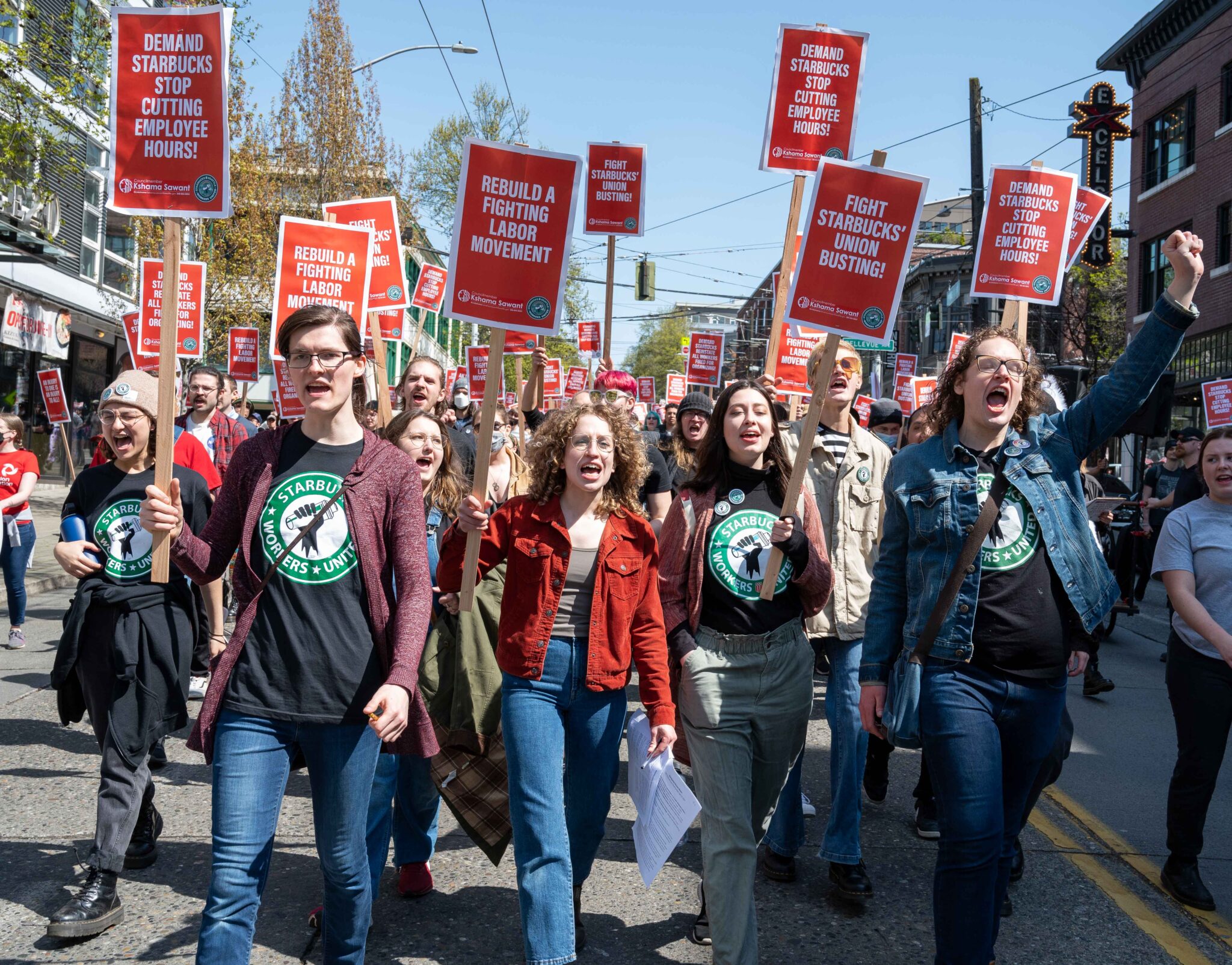
Also on Thursday, Starbucks Workers United launched a strike at 65 stores across the country. The striking workers have called it a “Red Cup Rebellion,” as the strike was timed to coincide with Starbucks Red Cup Day, an annual promotion of the company’s holiday drinks. The workers are seeking better staffing, higher pay, and resolution of hundreds of unfair labor practice charges. As Ajayan noted, SWU has authorized an open-ended strike. On social media, SWU wrote that they are “prepared for this to become the biggest and longest ULP strike in Starbucks history” and asked customers to boycott Starbucks during the strike. Both the mayor-elects of New York City and Seattle have voiced support for the strikers, and over one hundred Senators and House Representatives have urged Starbucks to “stop its illegal union-busting campaign and negotiate a fair contract.”
Meanwhile, the Illinois General Assembly has passed SB 2339, a new bill that would expand protections under the state’s Right to Privacy in the Workplace Act, which was previously signed into law in 2024 and took effect in January 2025. SB 2339 seeks to safeguard the rights of immigrant workers in response to heightened federal immigration enforcement. For example, employers notified about a mismatch in an employee’s taxpayer identification number or other documents cannot suspend or terminate them solely based on this notice, and employers cannot require tougher authorization or re-verification requirements than the federal E-Verify system. Labor unions and non-profits also have standing to enforce the law as “interested parties.” In August 2025, a federal judge ruled against the Trump administration when it argued that the Right to Privacy in the Workplace Act was preempted by federal law. Instead, the judge noted that Illinois was simply exercising the “historic powers of the states over employment-related issues.” The changes are now before Gov. JB Pritzker and would take effect once signed.


Daily News & Commentary
Start your day with our roundup of the latest labor developments. See all
September 2
Trump’s US Steel agreement impacts labor talks; Mamdani clashes with teachers’ union; Boeing plans to resume bargaining talks.
September 1
California legislature passes a bill banning AI workplace surveillance of workers' emotional states; Labor Department repeals decades-old farmworker protection rules; Sixth Circuit upholds a $1.4 million verdict for farmworkers.
August 31
Boston Symphony Orchestra musicians stave off first-ever strike; Cleveland Public Library workers ratify new contracts; New York State AFL-CIO makes endorsements
August 30
Seattle teachers vote to authorize a strike days before the school year begins; BNSF Railway’s AI dispatching system puts workers in danger; and a California court finds that the DOL’s pay cuts for non-citizen farmworkers are unlawful.
August 28
Calls for a “token tax” on AI consumption grow and the number of Amazon workers on federal aid explodes.
August 27
NLRB GC targets Biden-era precedent; Starbucks Workers United calls for boycott; Encore Boston Harbor workers authorize strike