
Divya Nimmagadda is a student at Harvard Law School.
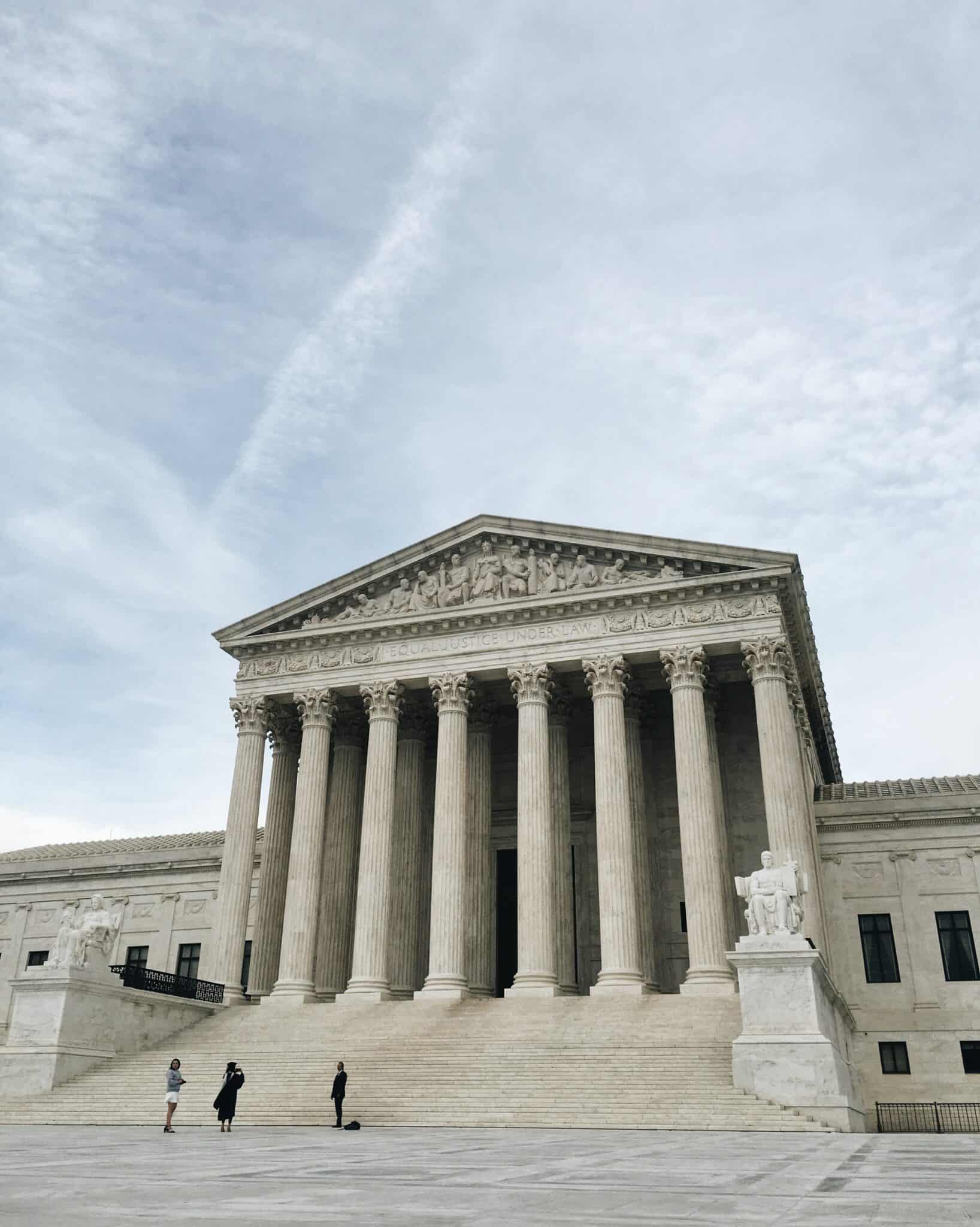
A federal judge in the district court for D.C., Judge Beryl Howell, heard arguments yesterday in the case – Wilcox v. Trump – brought by Gwynne Wilcox against the administration, challenging her removal from the NLRB. Reports state that Judge Howell appeared “skeptical” of the Trump administration’s interpretation of Humphrey’s Executor, a 90-year old precedent that helped establish the legality of independent agencies. As discussed earlier on this blog, the outcome of this case could dictate the future viability of independent agencies – a reality that Judge Howell acknowledged during the hearing, stating that “I realize for both sides this court is merely a speedbump to get to the Supreme Court.” The Trump administration is not outwardly calling for an overruling of Humphrey’s, but is rather arguing that the precedent is inapplicable because the NLRB is wielding executive power, rendering any removal protections outside the shield of Humphrey’s. However, despite the acknowledgement of an inevitable appeal, Judge Howell expressed doubt towards this argument: “The theory that has been pressed…is basically saying Congress doesn’t even have the power to set some conditions on the removal power at all. It’s up to presidential whims.” In another case, Dellinger v. Bessent, which is a challenge to the administration’s removal of Hampton Dellinger from his position as head of the Office of Special Counsel, a D.C. district court issued a temporary restraining order reinstating Dellinger for two weeks; the Supreme Court approved of the order, but noted that they may return to the issue upon its expiration.
Earlier this week, FTC Chair Andrew Ferguson announced a “Joint Labor Task Force” that would focus on anti-competitive behavior harming workers. This is a continuation of the Biden administration’s antitrust focus on labor markets – for example, the Biden FTC banned noncompete agreements, and issued new guidelines that drew more focus to labor implications of merger activity. Chair Ferguson, in his memo describing the task force, listed various focus areas, such as non-compete clauses and no-poach agreements. The memo also calls out DEI initiatives as an area of focus, noting that “collusion or unlawful coordination on DEI metrics…may have the effect of diminishing labor competition by excluding workers from markets, or students from professional training schools, on the basis of race, sex, or sexual orientation.”




Daily News & Commentary
Start your day with our roundup of the latest labor developments. See all
September 9
Wynn Las Vegas employees allege anti-union retaliation; Amazon faces a class action over pregnancy accommodations; H-1B demand plunges following a six-figure visa fee.
September 8
In today’s News and Commentary, workers and unions across America celebrate Labor Day, California’s SEIU Local 1000 prepares for a strike authorization vote, and New York City creates the Office of Worker Power. On Monday, labor unions and workers gathered in cities across the United States in celebration of Labor Day. Parades and rallies took […]
September 7
Eighth Circuit finds DOL order violates Seventh Amendment; 1,300 workers at Encore Boston Harbor go on strike.
September 6
Encore casino workers strike; President Trump commutes sentence of former Philadelphia IBEW leader; Durham labor activist ends his hunger strike against Amazon.
September 4
NLRB advice memo narrows political protest protections; NLRB asks federal appeals court for deference.
September 3
Seond Circuit rejects a NLRB standard for union insignia in employer dress codes; House Republicans ramp up labor union investigations.