
Divya Nimmagadda is a student at Harvard Law School.
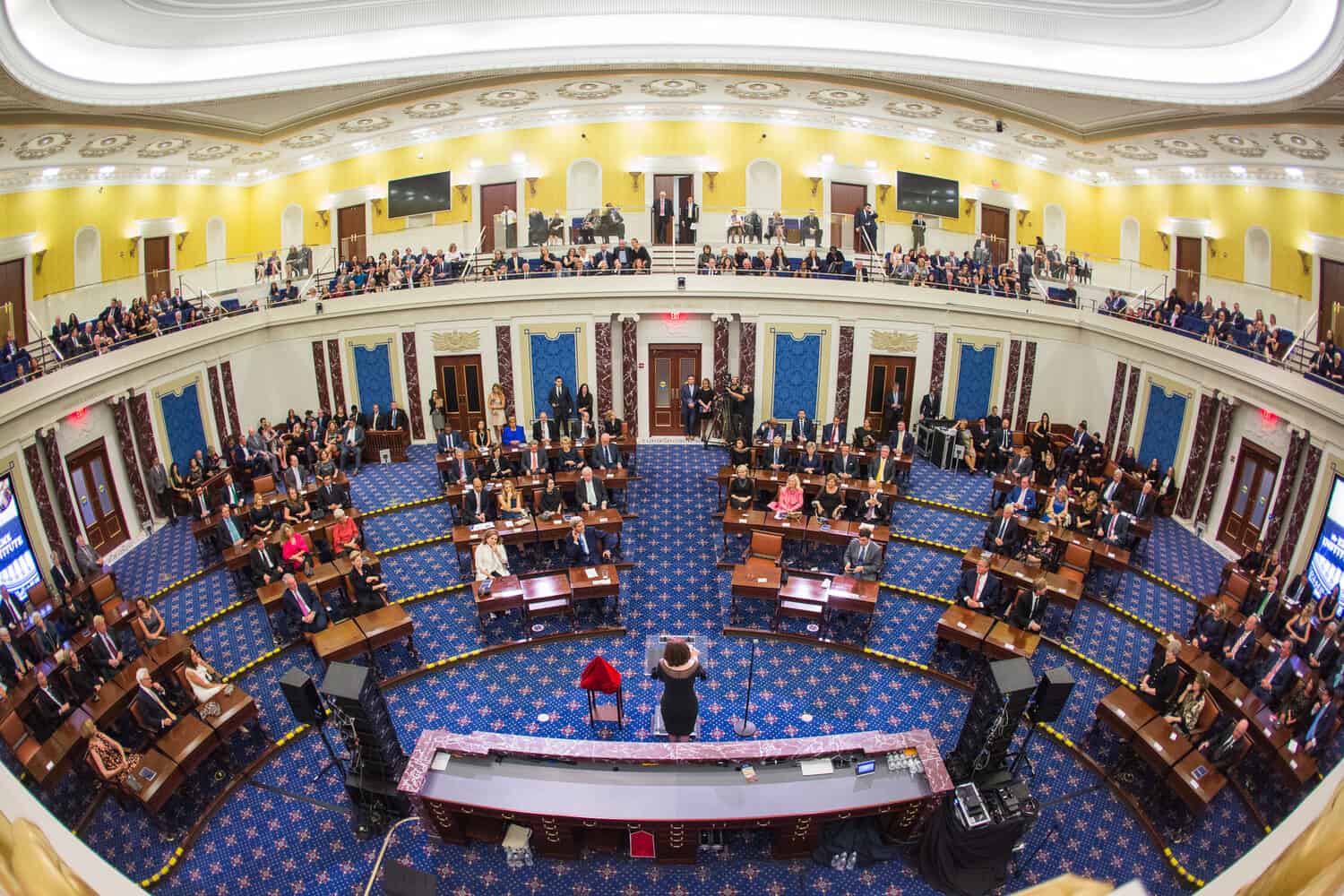
President’s Trump’s labor secretary pick, Lori Chavez-DeRemer, had her Senate confirmation hearing yesterday. As Henry discussed in Wednesday’s News & Commentary, there is much hesitation among certain GOP members around her confirmation given her past pro-labor and pro-union stances like her being a cosponsor of the PRO Act and supporter of the Public Service Freedom to Negotiate Act. At the hearing, Chavez walked back some of her previous convictions. When asked if she continues to support the Pro Act, she stated that she is no longer a member of Congress and will serve President Trump’s agenda: “I do not believe that the secretary of labor should write the laws. It will be up to the Congress to write those laws and to work together. What I believe is that the American worker deserves to be paid attention to.” Even more explicitly, in response to questioning from Senator Rand Paul, she stated that she no longer supported the provisions in the PRO Act that challenged “right to work” state laws. Of course, there are certain GOP senators more aligned with populist ideology, like Senator Josh Hawley, who support Chavez’s track record, evidencing the divide within the party on certain labor issues. Unless Chavez has changed a couple minds among the Republican members, she may have to draw some support from the Democratic contingent to have her nomination go through.
Lynn Rhinehart, who was former General Counsel of the AFL-CIO and has most recently held various positions within the Biden Labor Department including acting secretary of labor, has published an article in The Nation yesterday spelling out the implications of President Trump’s dismissal of NLRB member Gwynne Wilcox. The dismissal renders the NLRB ineffectual since, by law, the Board needs three members to pronounce decisions – as Ben Sachs has noted, this may also have implications for the federal labor preemption scheme. Rhinehart notes how Whole Foods has seized on this opportunity to obstruct their workers’ efforts to unionize by holding that “the NLRB’s regional director was powerless to certify the election result because the NLRB lacked a quorum.” While Whole Foods is wrong on the law, “without a functioning NLRB, there is no entity to enforce the regional director’s determination and hold Whole Foods accountable.” Rhinehart predicts that it won’t be long before other employers follow suit. Wilcox is challenging her dismissal in federal court, with a hearing on her case scheduled for March 5th. Rhinehart observes that by firing Wilcox and several other members of independent agencies – like the Equal Employment Opportunity Commission and Federal Election Commission – President Trump is trying to change long-standing Supreme Court precedent that holds “for cause” removal protections valid. By challenging these removal protections, the administration may be hoping that the Court rules that the “president has the authority to fire members of independent boards and commissions at any time, for any reason at all, notwithstanding statutory language to the contrary.” Such a reversal would have serious implications given it would “completely undermine the independence and objectivity of the agencies and leave them vulnerable to political influence over their decisions and actions. That would end the operation of independent agencies as we know them.”




Daily News & Commentary
Start your day with our roundup of the latest labor developments. See all
October 23
Employers increasingly shift health care costs onto workers and NYC proposes placing restrictions on fully automated customer service.
October 22
SCOTUS declines Wilcox appeal; Penn State research assistants win bargaining rights; SEIU sued over military leave firing.
October 21
DOL withdraws tipped-worker rule; Instacart settles hiring-bias claims; Phillips 66 locks out New Jersey refinery workers.
October 20
Korean unions oppose labor exemption bill; Portland city workers prepare for strike; UPenn grad student union looks to dismiss university filing
October 19
FDA reverses course on policy prohibiting off-duty union activity; FAA and NATCA reach deal to secure pay increase for air traffic controllers.
October 18
Federal judge again halts cancellation of the Bureau of Prisons’ CBA; tabletop gaming workers face roadblocks in union recognition.