
Sunah Chang is a student at Harvard Law School.
In today’s news and commentary: union leaders leave a mark at the DNC and a federal judge in Texas blocks the FTC’s noncompete ban.
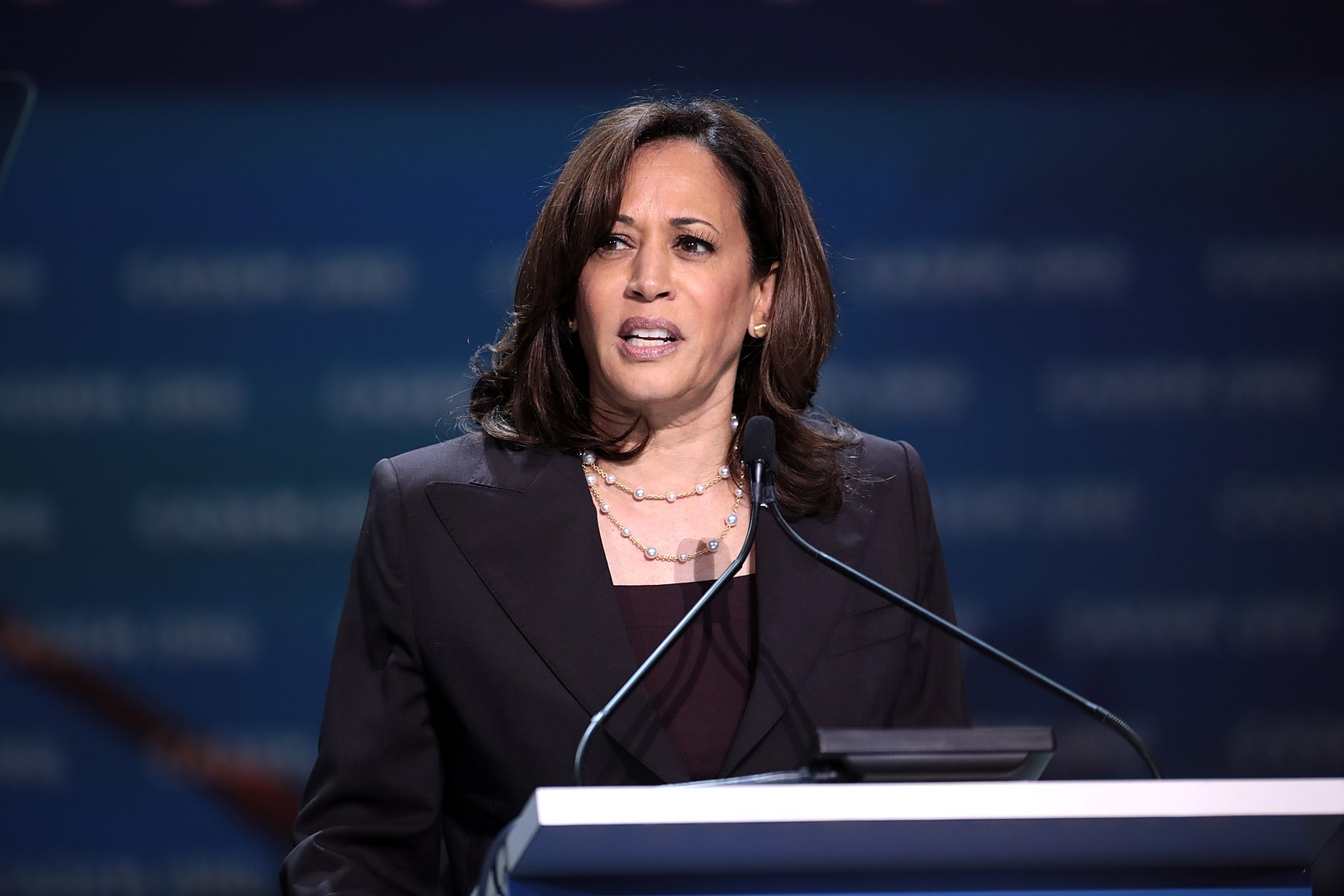
Yesterday, leaders from several major unions spoke at the first night of the Democratic National Convention to express their support for Vice President Kamala Harris’s presidential campaign. The lineup included AFSCME President Lee Saunders, SEIU President April Verrett, LiUNA President Brent Booker, IBEW President Kenneth W. Cooper, CWA President Claude Cummings Jr., AFL-CIO President Elizabeth H. Shuler, and UAW President Shawn Fain. Many of the union leaders spoke favorably about the legacy of the Biden-Harris administration and identified Harris as an ally for union workers. Shuler noted that Trump’s policies were a “CEO’s dream, but a worker’s nightmare.” Fain, who appeared on stage sporting a “Trump is a scab” shirt, stated that Kamala Harris and Tim Walz “have stood shoulder to shoulder with the working class” whereas Trump and Vance represented “two lap dogs for the billionaire class who only serves themselves.” Meanwhile, Teamsters President Sean O’Brien, who spoke at the RNC last month, was absent from the DNC. The Teamsters have yet to offer an endorsement to any party for the upcoming presidential race.
Labor’s large presence on the DNC stage seems to reflect the Democratic Party’s amplified efforts to win back rank-and-file union members who have shifted toward the Republican Party in recent years. Since the early days of her nascent presidential campaign, Harris has been meeting with top labor leaders across sectors in the hopes of cementing their support. Harris has also agreed to meet with the Teamsters in the near future for a private roundtable discussion.
Over in Texas, a federal judge has upheld a challenge to the Federal Trade Commission’s ban on noncompete agreements. The court ruled that the noncompete rule exceeded the FTC’s authority to enforce antitrust laws. The opinion stated, “The Commission’s lack of evidence as to why they chose to impose such a sweeping prohibition . . . instead of targeting specific, harmful non-competes, renders the Rule arbitrary and capricious.” In response to the court decision, an FTC spokesperson expressed disappointment and mentioned that the agency was considering an appeal. The spokesperson stated that the FTC would “keep fighting to stop noncompetes that restrict the economic liberty of hardworking Americans, hamper economic growth, limit innovation and depress wages.”


Daily News & Commentary
Start your day with our roundup of the latest labor developments. See all
October 4
Boston nurses announce open-ended strike; federal judge restores federal prison workers' union protections; St. Louis workers form the first movie theater union in Missouri.
October 2
Gov. Newsom signs bill regulating AI in workplace; federal judge blocks Trump's $100,000 H-1B visa fee.
October 1
Senate confirms Keith Sonderling as Labor Secretary; Amazon warehouse workers launch an unfair labor practice strike.
September 30
Harvard grad union wins in First Circuit; AI data trainers initiate misclassification suits; Trader Joe’s found liable under ERISA.
September 29
Unions, AI companies, and private equity firms form a new coalition to shape data center policies; unions express support for the Paramount-Warner Bros. merger.
September 28
The Protect College Sports Act nears passage in the Senate; San Francisco municipal workers agree to contract extensions.