
In today’s News and Commentary, Starbucks announces its commitment to complete bargaining and ratify contracts in 2024, Microsoft agrees to union contract terms pertaining to AI use, and Southwest flight attendants reject contract proposal.
After two years of opposing unionization of U.S. stores, last Friday, Starbucks committed to reaching labor agreements with Starbucks Workers United (SWU) within the upcoming year. As John reported, this new commitment may be the result of recent strike efforts protesting understaffing. Starbucks Chief Partner Officer Sara Kelly sent a letter to SWU president Lynne Fox asking to restart bargaining in January, saying that the “current impasse should not be acceptable to either of us.” In the letter, Starbucks doubled down on its requirement to conduct bargaining only in-person, a condition that has frustrated the union’s efforts to increase worker participation. Fox says the union is still reviewing the letter, but has never declined a meeting with the company. SWU is pushing to unionize more of Starbucks’ 10,000 U.S. locations and to ratify contracts that address wage increases, schedule flexibility, health and safety and access to benefits.
As Will reported, Microsoft reached a tentative agreement with employees at its ZeniMax video game studio. The bargaining, which began in January of this year, is the first US collective bargaining in the company’s history. In addition to converting the subcontracted workers into union employees, the contract also includes provisions pertaining to the use of artificial intelligence. If ratified, the contract will require Microsoft to notify the union whenever planned-AI implementation “may impact work performed” by union members, and provides the union an avenue to negotiate over the impact on employees.
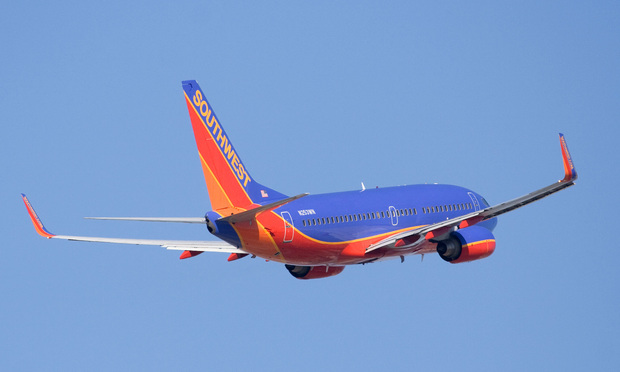
In a two-thirds vote against, Southwest Airlines flight attendants rejected a tentative contract offer. Approximately 95% of eligible members voted. The contract negotiations were a near five-year ordeal and flight attendants were working under a contract that expired in 2018. The proposal offered flight attendants a 20% wage increase in the first year of the contract, followed by 3% annual increases for the remaining four years. The attendants, who are represented by the Transport Workers Union Local 556, say that these increases do not do enough to bring workers up to a livable wage. New hires are starting at wages negotiated in 2014. Flight attendants from American, Alaska, and United Airlines are also negotiating contracts. American attendants requested a release from mediation which would have allowed them to strike after a 30-day cooling off period. This request was denied, but the Association of Professional Flight Attendants is prepared to request again if negotiations don’t get off the ground.




Daily News & Commentary
Start your day with our roundup of the latest labor developments. See all
October 6
Protect College Sports Act dampens athlete unionization outlook; Stanford RA union decides to withdraw petition
October 5
Delaware bans captive audience meetings; EEOC settles remote work national origin discrimination claim; First Circuit stays enforcement order in VA's dispute with AFGE.
October 4
Boston nurses announce open-ended strike; federal judge restores federal prison workers' union protections; St. Louis workers form the first movie theater union in Missouri.
October 2
Gov. Newsom signs bill regulating AI in workplace; federal judge blocks Trump's $100,000 H-1B visa fee.
October 1
Senate confirms Keith Sonderling as Labor Secretary; Amazon warehouse workers launch an unfair labor practice strike.
September 30
Harvard grad union wins in First Circuit; AI data trainers initiate misclassification suits; Trader Joe’s found liable under ERISA.