
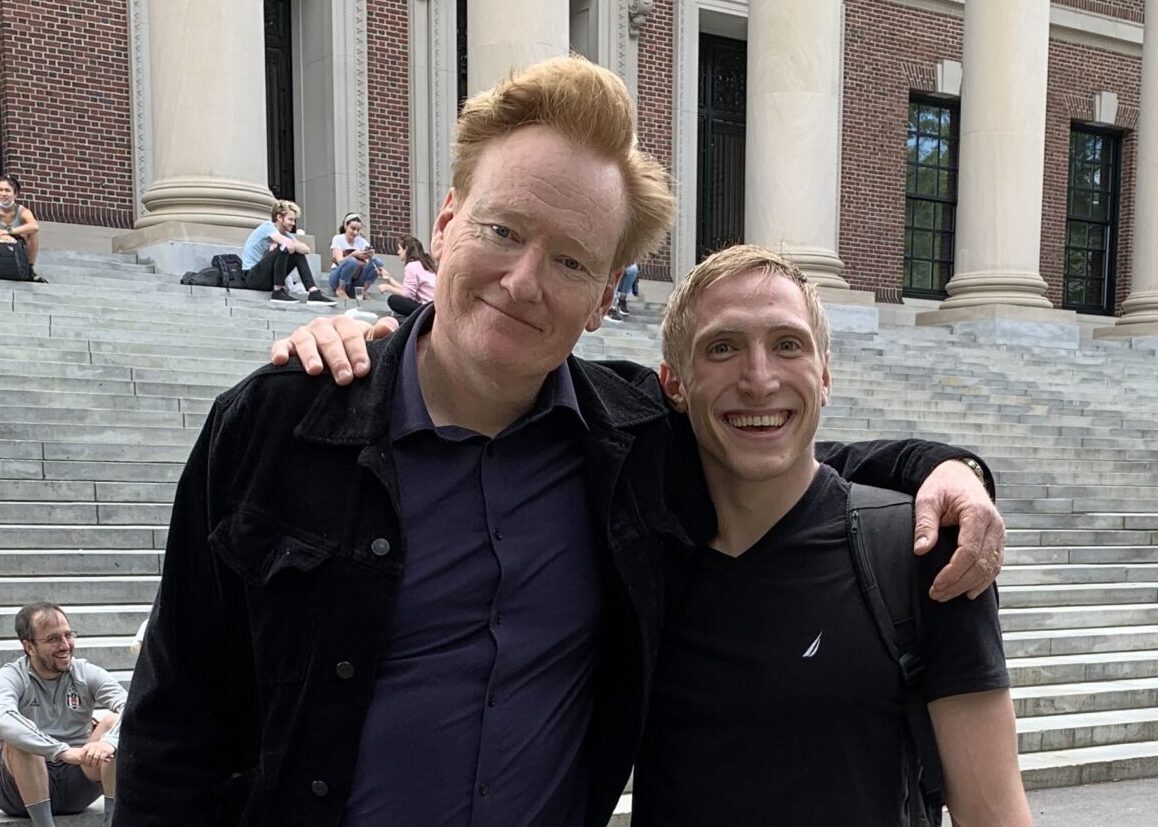
Greg Volynsky is a student at Harvard Law School.
In today’s News & Commentary, Marty Walsh announces plans to step down, Tesla terminates dozens of Buffalo employees amid an organizing campaign, and the Ninth Circuit prevents California from enforcing a law limiting forced arbitration provisions in employment contracts.
Secretary of Labor Marty Walsh tweeted that he will be stepping down from his post mid-March. He will become the executive director of the National Hockey League Players’ Association. Secretary Walsh has been an advocate for unions in the Biden administration, although he was criticized for helping broker a deal to avert a rail strike. Word of Secretary Walsh’s move spread in early February, leading Democrats to lobby for their preferred successors. Deputy Secretary Julie Su—who Walsh called his “partner in this endeavor”—won the endorsements of the Congressional Asian Pacific American and Congressional Black Caucuses, while former Speaker Pelosi is said to be advocating for former Rep. Sean Patrick Maloney. Deputy Secretary Su is set to become the acting Secretary of the agency.
On Tuesday, Tesla employees in Buffalo publicly announced a unionizing effort—by Wednesday, Tesla terminated “dozens” of Buffalo employees. Workers United (the union working with organizing employees) filed a complaint with the NLRB, alleging retaliatory terminations. The timing—employees were fired one day after the public announcement—is hardly inconspicuous. Although the NLRA prohibits firing employees to interfere in the organizing process, retaliatory dismissal is common; the NLRB’s only remedies are reinstatement and backpay following a process that could take years.
Also on Wednesday, as Anita reported, a divided Ninth Circuit panel struck down a California law (Assembly Bill 51) that limited the use of forced arbitration provisions in employment contracts. When Governor Newsom signed the law in 2019, two-thirds of California employment contracts included a mandatory arbitration provision. Advocates argued that arbitration is an opaque process that favors employers. Commentators immediately speculated that the law may be unenforceable under the Federal Arbitration Act (FAA), a federal framework for the enforcement of commercial arbitration agreements. The Ninth Circuit upheld the law in 2021 against a preemption challenge, holding that the FAA protects the enforcement, not formation, of arbitration agreements. After the U.S. Supreme Court held that the FAA preempts invalidating class action waivers, the Ninth Circuit agreed to rehear the case.




Daily News & Commentary
Start your day with our roundup of the latest labor developments. See all
September 10
Amazon workers allege pregnancy discrimination; federal unions challenge USDA reorganization; NYC warns of silicosis risks.
September 9
Wynn Las Vegas employees allege anti-union retaliation; Amazon faces a class action over pregnancy accommodations; H-1B demand plunges following a six-figure visa fee.
September 8
In today’s News and Commentary, workers and unions across America celebrate Labor Day, California’s SEIU Local 1000 prepares for a strike authorization vote, and New York City creates the Office of Worker Power. On Monday, labor unions and workers gathered in cities across the United States in celebration of Labor Day. Parades and rallies took […]
September 7
Eighth Circuit finds DOL order violates Seventh Amendment; 1,300 workers at Encore Boston Harbor go on strike.
September 6
Encore casino workers strike; President Trump commutes sentence of former Philadelphia IBEW leader; Durham labor activist ends his hunger strike against Amazon.
September 4
NLRB advice memo narrows political protest protections; NLRB asks federal appeals court for deference.