
Nicholas Anway is a student at Harvard Law School.
In today’s news and commentary: Union workers at the Philadelphia Museum of Art strike for better wages and healthcare; and a “Workers’ Right Amendment” will be on the ballot in Illinois this fall.
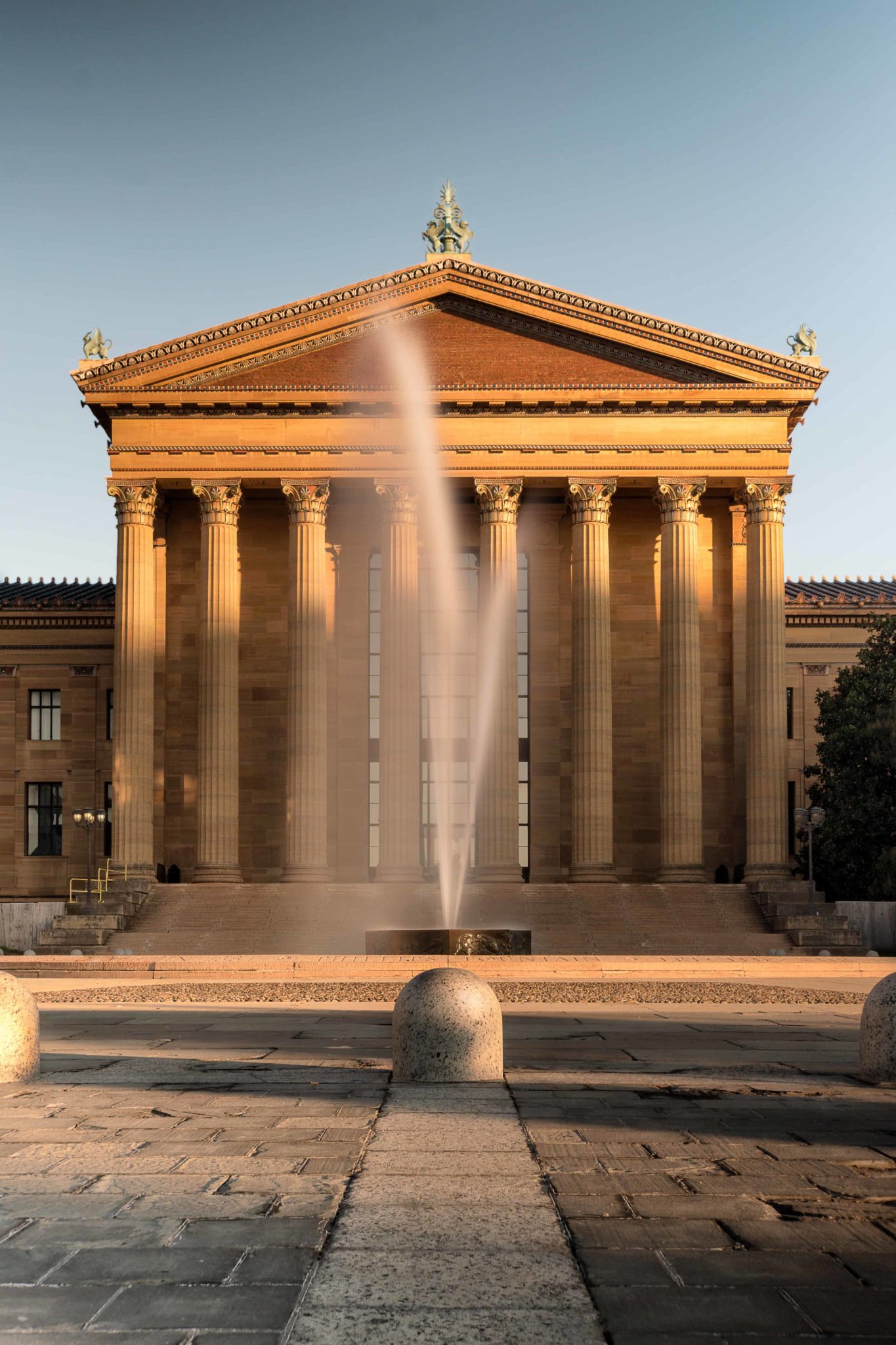
Nearly 200 union workers at the Philadelphia Museum of Art are set to strike today, as contract negotiations with the Museum’s management remain unresolved. Workers from the Local 397 of AFSCME DC Local 47 said that the Museum has been unwilling to resolve concerns about fair wages and affordable healthcare. “We’re just asking for a living wage. Folks at the museum are working two jobs just to get by,” Adam Rizzo, President of Local 397, explained to ABC. “A lot of the positions at the museum require a master’s degree at the very least. So, a lot of folks are saddled with debt.” The Museum’s high-deductible health care plan is also a concern. “[I]t means we can’t afford to go to the doctor even though we have health care,” said Rizzo. According to the Philadelphia Inquirer, the museum remained open while workers picketed outside its entrances during a “warning strike” last Friday. In a statement, the Museum said that it was “deeply disappointed that the union has again chosen to strike,” and that it planned to open again today.
This fall, Illinois voters will decide whether to enshrine workers’ right to unionize and collectively bargain into their state constitution, the Chicago Tribune reported. The “Workers’ Right Amendment” would recognize worker organizing as a “fundamental right,” guaranteeing the right to organize for “the most common elements of collective bargaining, like wages, hours and working conditions,” and for “‘economic welfare and safety at work.’” The proposed amendment would also essentially ban right-to-work laws that prevent companies and unions from requiring union membership as a condition of employment. As Marc Poulos, the “Vote Yes for Workers’ Rights” campaign committee’s counsel and executive director of the Indiana, Illinois, Iowa Foundation for Fair Contracting, told the Tribune, “[t]his would be the strongest constitutional protection in a state constitution in the country.”





Daily News & Commentary
Start your day with our roundup of the latest labor developments. See all
October 16
Department of Labor reduces wage-and-hour enforcement at unionized workplaces; Fain's victory poses question of federal monitor's extension.
October 15
New reporting examines the rollback of child labor protections; California tries to block a strike; NLRB charges Wisconsin mental health provider with firing workers during union drive.
October 14
Eleventh Circuit overturns ERISA exhaustion rule; DHS finalizes removal of automatic renewal for work permits; AFGE challenges SSA over flexible scheduling policy.
October 13
Chicago hotel workers remain on strike; a coalition of Democratic states sues the Labor Department over canceled unemployment insurance grants; the Federal Labor Relations Authority establishes a new mediation framework for federal worker disputes.
October 12
Workers at the Obama Foundation begin organizing; MLB submits its latest collective bargaining agreement proposal; Brigham & Women's nurses postpone strike.
October 11
UAW President Shawn Fain succeeds in his reelection bid, and Spanish unions call for a general strike.